Gardening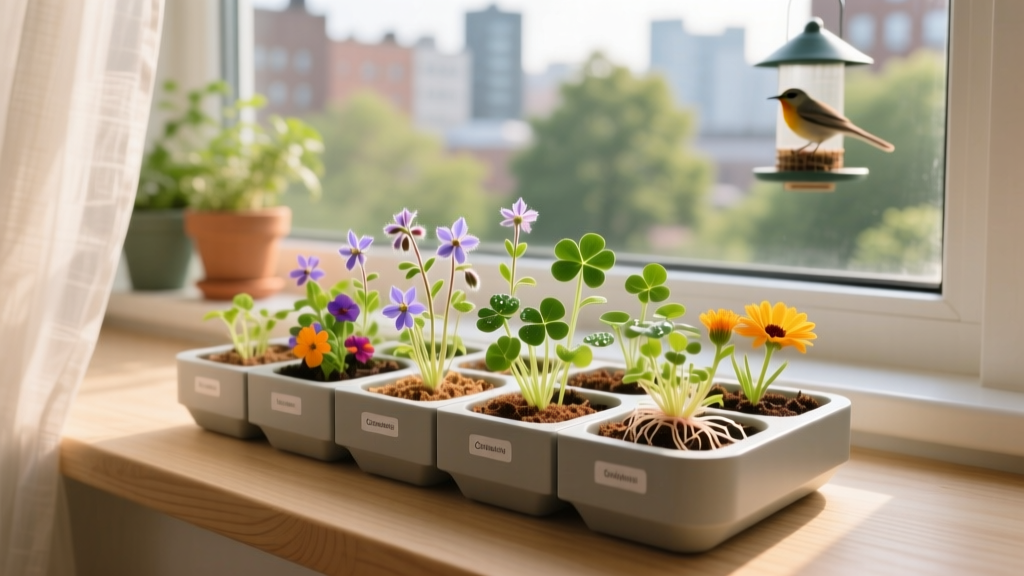
Best Windowsill Seed Tray Kits For Pollinator Microgreens 2026
Emily WatsonPublished
Bringing the Pollinator Garden Indoors: The 2026 Microgreen Revolution
As urbanization and shifting climate patterns continue to impact local ecosystems in 2026, gardeners are seeking innovative ways to support declining pollinator populations. While traditional outdoor pollinator gardens are essential, the early spring hunger gap remains a critical challenge. Early-emerging native bees, hoverflies, and butterflies often wake up before outdoor nectar sources are available. Enter the windowsill seed tray kit: a powerful, space-saving tool that allows you to grow pollinator-friendly microgreens and rapid-blooming micro-flowers indoors. By utilizing a high-quality windowsill seed tray setup, you can cultivate early nectar and pollen sources right on your sunny ledges, eventually transitioning these plants to your outdoor garden to kickstart your 2026 pollinator-friendly landscape design.
Why Grow Pollinator-Friendly Microgreens and Micro-Flowers?
When we think of microgreens, we typically think of culinary harvests like radish, sunflower, or pea shoots. However, the methodology of growing microgreens—shallow soil, dense sowing, and rapid growth cycles using indoor LED lighting—is perfectly suited for starting pollinator-attracting plants. Some microgreens, particularly those in the brassica family like radish and mustard, can be allowed to bolt or flower rapidly under intense indoor grow lights. These tiny, early blossoms are incredibly attractive to early-season foragers.
Furthermore, certain flowers like borage, calendula, and nasturtium can be grown as micro-flowers or tender shoots in shallow trays, providing both edible garnishes for your kitchen and vital micro-nectar drops if placed near open sunroom windows or transitional greenhouse spaces. According to The Xerces Society, providing continuous, overlapping blooms is one of the most effective strategies for pollinator conservation. Starting these plants in a controlled windowsill environment ensures you have robust, flowering specimens ready to deploy the moment the outdoor frost risk passes.
Top Windowsill Seed Tray Kits Reviewed for 2026
To successfully grow pollinator-friendly microgreens and micro-flowers, you need a seed tray kit that fits standard windowsills, manages moisture effectively, and provides adequate light. Here is a comparison of the top kits dominating the indoor gardening market in 2026.
| Kit Name | Dimensions | Best For | Price (2026) |
|---|---|---|---|
| True Leaf Market 1020 Shallow Bio-Tray | 21 x 11 inches | High-density brassica bolting | $24.99 |
| Epic Gardening Micro-Farm Windowsill | 18 x 6 inches | Compact herb and borage shoots | $39.99 |
| AeroGarden Sprout LED (Pollinator Edition) | 11 x 5 inches | Automated micro-flower hydration | $99.95 |
The True Leaf Market bio-trays are excellent for growers who want to maximize square footage on a wide bay window, while the AeroGarden Sprout LED is ideal for small apartment dwellers who need automated lighting and watering schedules to keep delicate micro-flowers thriving.
Best Seeds for Pollinator Microgreens and Shoots
Not all seeds perform well in the shallow depths of a microgreen tray, especially if your goal is to encourage early flowering or robust transplanting. For your 2026 windowsill pollinator project, focus on these high-performing varieties:
- Borage (Borago officinalis): Known as a bee magnet, borage grows rapidly. As a micro-shoot, it has a delightful cucumber flavor. If left to grow in a deeper tray under strong LEDs, it will produce its iconic star-shaped blue flowers indoors, offering early nectar.
- Calendula (Calendula officinalis): Calendula shoots are peppery and nutritious. More importantly, they transition beautifully from a windowsill tray to an outdoor pollinator border, providing long-lasting blooms that attract beneficial insects and predatory beetles.
- Radish (Raphanus sativus): While usually harvested at the cotyledon stage, allowing a patch of radish microgreens to bolt under a 16-hour indoor light cycle will produce delicate, nectar-rich white and purple flowers that early solitary bees adore.
- Chives (Allium schoenoprasum): Slow-growing as a traditional microgreen, chive shoots can be cultivated in dense windowsill trays and later divided and transplanted into the outdoor garden to form pollinator-friendly border edges.
Step-by-Step: Sowing Your Windowsill Pollinator Tray
Achieving success with indoor seed starting requires precision. The University of Minnesota Extension emphasizes the importance of sterile media and consistent moisture for preventing damping-off disease. Follow these steps for your windowsill kit:
- Prepare the Medium: Use a sterile, peat-free coconut coir mat or a lightweight organic seed-starting mix. Fill your tray to about 1.5 inches deep, leaving room for root expansion.
- Sow Densely but Strategically: For micro-flowers like borage, sow seeds about half an inch apart. For bolting radishes, you can broadcast the seeds more thickly, but thin them to one inch apart once the true leaves emerge to allow stem strength for flowering.
- Light and Temperature: Place the tray on a south-facing windowsill. However, glass filters out essential light spectrums and causes leggy growth. Supplement with a dedicated LED grow light placed 2 to 4 inches above the canopy. Set the timer for 14 to 16 hours of light daily to simulate late-spring conditions and trigger flowering hormones.
- Bottom Watering: Never water pollinator microgreens from the top once they have sprouted. Use a bottom-watering tray to keep the soil evenly moist without disturbing the delicate stems or encouraging fungal gnats.
Managing Indoor Pests Organically
When growing plants destined for a pollinator garden, you must avoid systemic pesticides at all costs. Even organic sprays can leave residues that harm sensitive native bees later on. If you encounter aphids or fungus gnats on your windowsill trays, rely on mechanical controls. Use yellow sticky traps for gnats and introduce a gentle breeze with a small USB fan to strengthen plant stems and deter fungal issues. If an infestation occurs, isolate the tray and use a mild insecticidal soap, but ensure you thoroughly rinse the plants and wait at least three weeks before moving them outdoors where pollinators can access them.
Transitioning to the Outdoor Pollinator Garden
The ultimate goal of your windowsill seed tray kit is to establish a thriving outdoor ecosystem. Once your micro-flowers and shoots have developed robust root systems and the threat of the final 2026 spring frost has passed, it is time to harden them off. Begin by placing the trays outside in a shaded, protected area for two hours a day, gradually increasing their sun exposure over a week.
When transplanting into your outdoor pollinator garden, design your beds using the drift planting method recommended by the Pollinator Partnership. Group your transplanted borage, calendula, and bolted brassicas in clusters of three to five plants rather than scattering them. This creates a highly visible target for foraging bees and reduces the energy they expend searching for nectar. By combining the precision of indoor windowsill seed tray kits with strategic outdoor pollinator garden design, you ensure that your local ecosystem receives the critical early-season support it needs. In 2026, every windowsill is an opportunity to nurture the pollinators that sustain our gardens and our planet.
