
Landscaping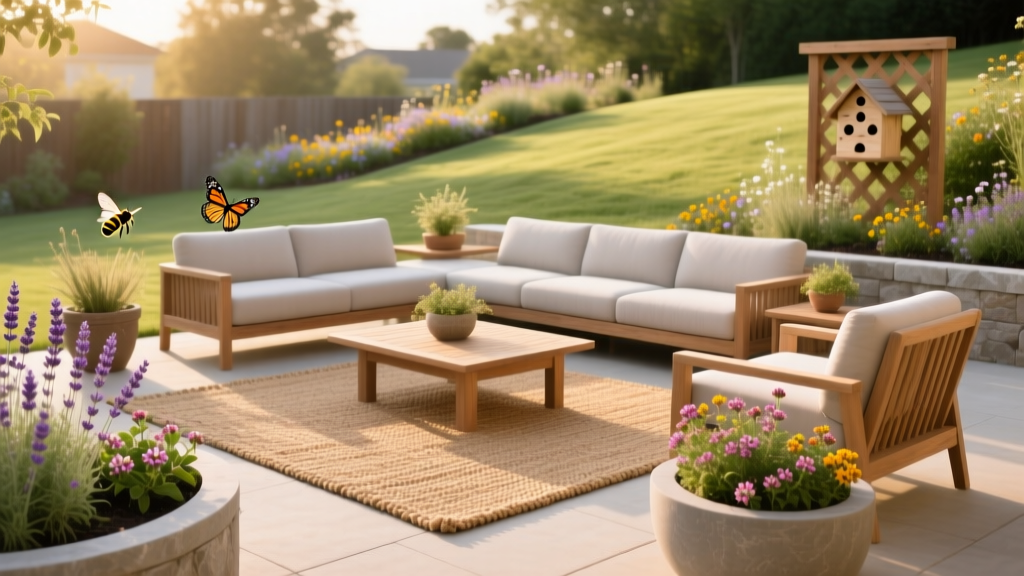
2026 Patio Makeover: Staging Furniture & Rugs For Beneficial Insects
Anna KowalskiPublished
The Intersection of Patio Design and Bio-Control
As we move through the 2026 landscaping season, the concept of the outdoor living space has evolved far beyond simple aesthetics. Homeowners are increasingly recognizing that their patios, decks, and hardscaped areas are not isolated from the rest of their yard; they are critical ecotones—transition zones where human recreation meets the natural ecosystem. When planning a patio makeover, the staging of outdoor rugs and furniture plays a surprisingly vital role in the health of your local beneficial insect populations and the overall success of your bio-control strategies.
Beneficial insects, including native pollinators, predatory ground beetles, parasitic wasps, and soil-dwelling nematodes, rely on specific environmental conditions to thrive. The materials you choose for your patio furnishings, the chemicals they might leach into the surrounding soil, and the physical footprint they create can either support a thriving bio-control network or inadvertently destroy it. According to the EPA's Integrated Pest Management principles, preserving natural predator habitats is the first line of defense against garden pests. By staging your patio intelligently, you can enjoy a luxurious outdoor retreat while acting as a steward for the microscopic and macroscopic heroes of your garden.
Selecting Pollinator-Safe Outdoor Rugs
The outdoor rug is a staple of modern patio staging, anchoring seating areas and adding warmth to hardscapes. However, not all rugs are created equal when it comes to ecological impact. The vast majority of budget-friendly outdoor rugs on the market are woven from synthetic polypropylene and treated with harsh chemical stain repellents, UV inhibitors, and per- and polyfluoroalkyl substances (PFAS). When these rugs are staged directly over soil or permeable pavers adjacent to your garden beds, rain and morning dew can cause these chemicals to leach into the earth.
This leaching is particularly devastating to ground-nesting native bees, which comprise roughly 70% of all native bee species in North America. These crucial pollinators require undisturbed, chemical-free soil to lay their eggs. Furthermore, synthetic rugs shed microplastics that disrupt the soil food web, harming the beneficial nematodes and predatory mites that naturally control fungus gnats, grubs, and other landscape pests. To maintain a robust bio-control system, your 2026 patio makeover should prioritize natural, untreated fibers.
Natural Fibers and Eco-Conscious Alternatives
For a sustainable and insect-safe patio, opt for tightly woven jute, hemp, or organic cotton rugs. These natural fibers are entirely biodegradable and do not introduce synthetic toxins into the soil microbiome. If your staging area is fully elevated on a sealed concrete slab or a composite deck with no soil contact beneath it, the risk of leaching is minimized, but natural fibers remain the superior choice for reducing microplastic pollution. When staging these rugs, ensure they are positioned at least three feet away from the edges of your dedicated pollinator borders to prevent any physical barrier to foraging insects.
Furniture Materials: Supporting the Ecosystem
The furniture you stage on your patio interacts with the environment through its material composition, its maintenance requirements, and its physical shadow. In past years, pressure-treated lumber was the default for outdoor benches and tables. However, the copper-based preservatives used in pressure-treated wood can be toxic to aquatic beneficial insects and can accumulate in the soil over time, harming the very bio-control agents you rely on to keep your garden healthy.
The Cedar and Teak Advantage
For 2026, the gold standard for eco-conscious patio staging is FSC-certified teak or natural cedar. Cedar contains natural aromatic oils that act as a mild deterrent to destructive pests like termites and carpenter ants, yet these oils do not harm beneficial insects like ladybugs, lacewings, or solitary bees. Unlike broad-spectrum chemical sprays that wipe out both good and bad bugs, cedar's natural properties offer a targeted, passive defense that aligns perfectly with bio-control philosophies. Additionally, recycled high-density polyethylene (HDPE) lumber, often marketed under brand names like Polywood, is an inert, highly durable alternative that leaches zero chemicals into the environment, making it exceptionally safe for staging near sensitive habitat zones.
Strategic Staging: Zoning for Pollinators and People
How you arrange your furniture is just as important as what it is made of. Beneficial insects require specific microclimates to thrive, and your patio staging can help create or destroy these zones. Predatory ground beetles, which are voracious consumers of slugs and snails, prefer cool, damp, and shaded environments. By strategically staging larger furniture pieces, such as deep-seated sectionals or cantilever umbrellas, you can create shaded microclimates that retain soil moisture and provide daytime refuge for these beneficial predators.
Protecting Flight Paths and Foraging Zones
When arranging your seating area, be mindful of the 'flight paths' of native pollinators. Bees and beneficial wasps generally forage in straight lines between their nesting sites and nectar sources. Staging large, solid-backed furniture or deploying massive, floor-to-ceiling outdoor curtains can create physical barriers that disrupt these routes, forcing insects to expend unnecessary energy. Keep your staging open and airy, and consider integrating elevated planter boxes directly into your furniture layout. Filling these integrated planters with native yarrow, dill, or alyssum provides immediate nectar sources for parasitic wasps right where you sit, enhancing the bio-control of adjacent vegetable gardens or ornamental beds.
Organizations like the National Wildlife Federation's Garden for Wildlife program emphasize the importance of providing layered habitats. You can achieve this on your patio by staging multi-tiered plant stands alongside your furniture, offering varied heights for different insect species to rest and hunt.
Material Impact Comparison Chart
To help you make informed decisions for your 2026 patio makeover, refer to the table below detailing how common outdoor furnishing materials impact beneficial insect populations and soil bio-control agents.
| Material | Eco-Toxicity Level | Impact on Bio-Control Agents | 2026 Staging Recommendation |
|---|---|---|---|
| Polypropylene Rugs | High (PFAS / Microplastics) | Disrupts soil nematodes; harms ground-nesting bees | Avoid near garden beds; use only on sealed surfaces |
| Untreated Jute / Hemp | None | Safe for all soil microbes and ground beetles | Highly Recommended for permeable surfaces |
| Pressure-Treated Wood | Moderate (Copper Azole) | Toxic to aquatic beneficials; alters soil pH | Phase out; replace with natural alternatives |
| FSC Teak / Natural Cedar | Low (Natural Oils) | Repels destructive pests; safe for pollinators | Top Choice for dining sets and benches |
| Recycled HDPE Lumber | Very Low (Inert) | Neutral impact; provides safe shade | Excellent for heavy-duty, all-weather staging |
Eco-Friendly Maintenance and Cleaning
The intersection of patio furniture and bio-control extends to how you maintain your staged space. In the spring and fall, many homeowners power-wash their patios and scrub their outdoor rugs with harsh detergents, bleach, or chemical mold removers. The runoff from these cleaning sessions inevitably flows into the adjacent garden beds, devastating the populations of beneficial fungi, predatory nematodes, and soil-dwelling insects that form the backbone of your landscape's natural pest control.
For your 2026 maintenance routine, adopt a bio-control-safe cleaning protocol. Use enzymatic outdoor cleaners that break down organic stains without leaving toxic residues. For natural fiber rugs, regular vacuuming and spot-cleaning with a mild, biodegradable castile soap solution will keep your staging area pristine without poisoning the soil. If you must use a pressure washer on your hardscape, direct the runoff away from your pollinator borders and toward a designated drainage swale or rain garden that is specifically planted with heavy-feeding, pollutant-filtering native grasses.
Furthermore, The Xerces Society for Invertebrate Conservation strongly advises against the use of broad-spectrum insecticides around outdoor living spaces. Instead of spraying your patio perimeter with synthetic chemicals to ward off mosquitoes, stage your furniture away from standing water and utilize targeted bio-controls like BTI (Bacillus thuringiensis israelensis) dunks in nearby water features. This ensures that your outdoor sanctuary remains comfortable for humans while remaining a safe haven for the beneficial insects that keep your landscape thriving.
Conclusion
A successful patio makeover in 2026 requires a holistic approach that balances human comfort with ecological responsibility. By carefully selecting natural, non-toxic outdoor rugs, opting for sustainable furniture materials like cedar or recycled HDPE, and staging your layout to respect the flight paths and nesting habits of native insects, you transform your patio from a mere concrete pad into an integrated component of your landscape's bio-control strategy. Embracing these sustainable staging practices ensures that your outdoor living space is not only a beautiful retreat for your family but also a vital sanctuary for the beneficial insects that sustain the health and beauty of your entire property.

