
Landscaping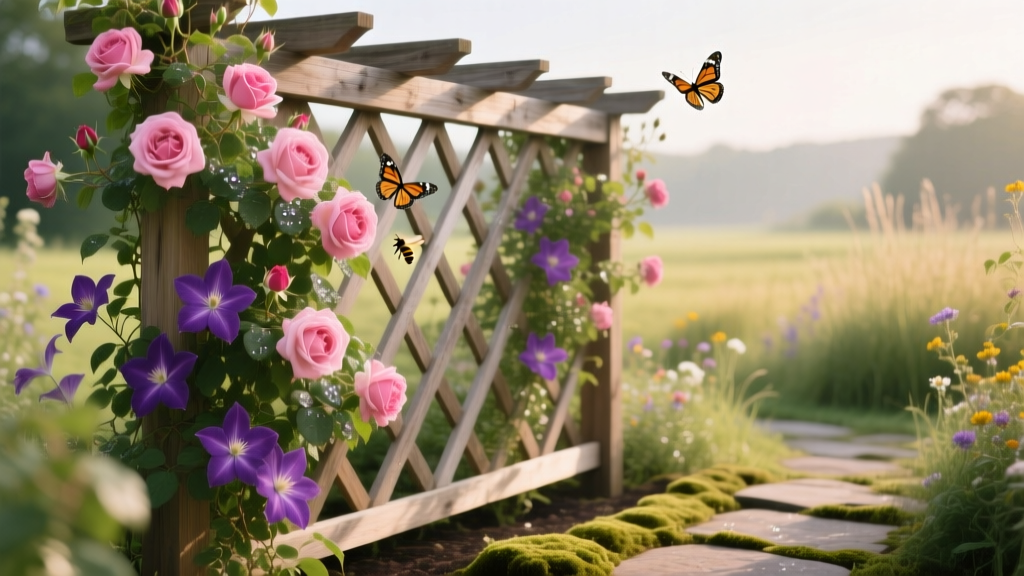
2026 Pollinator Trellises for Roses and Clematis Vines
Sarah ChenPublished
Vertical Gardening for Pollinators: The 2026 Approach
As we navigate the 2026 landscaping season, sustainable garden design has shifted from a niche interest to a fundamental standard. Homeowners and landscape architects alike are prioritizing biodiversity, and vertical gardening is at the forefront of this movement. When designing a pollinator-friendly garden, maximizing spatial efficiency is crucial. By utilizing garden trellises for climbing roses and clematis vines, you not only create stunning visual focal points but also establish vital aerial habitats for bees, butterflies, and hummingbirds. Vertical structures elevate blooms into the wind currents and sightlines of flying pollinators, making foraging more efficient and providing essential shelter from predators and harsh weather.
Why Climbing Roses and Clematis?
Climbing roses and clematis are a classic horticultural pairing, often referred to as the 'queen and king' of the vertical garden. From a pollinator perspective, this duo offers an extended, continuous bloom cycle that is critical for supporting local insect populations. According to the Xerces Society for Invertebrate Conservation, continuous bloom from early spring through late autumn is one of the most important factors in sustaining native bee populations. Early-blooming clematis varieties provide crucial nectar when spring resources are scarce, while repeat-flowering climbing roses sustain pollinators well into the autumn months. Furthermore, the dense, intertwining foliage of these vines creates excellent overwintering sites for beneficial insects and nesting material for native solitary bees.
Understanding Pollinator Foraging Behavior on Vertical Planes
Pollinators interact with vertical gardens differently than they do with ground-level beds. Hummingbirds, for instance, prefer to feed on the wing and are highly attracted to the elevated, tubular-shaped flowers often found on clematis and certain rose varieties. Bumblebees and honeybees benefit from the wind-breaking effect of a dense trellis wall, which allows them to forage even on breezy days. By training your vines to cover a trellis evenly, you create a massive, contiguous 'target' of color and scent that is easily detectable by passing pollinators.
Choosing the Right Trellis Material for 2026
Selecting the appropriate trellis material is a balance of structural integrity, aesthetic appeal, and ecological safety. In 2026, the market has seen a surge in eco-friendly composite materials alongside traditional cedar and powder-coated steel. It is vital to avoid pressure-treated woods that may leach harmful chemicals into the soil, as these can negatively impact the soil microbiome and the ground-nesting bees that reside nearby.
| Trellis Material | Durability & Lifespan | Pollinator & Soil Safety | Est. Cost (2026) | Best Use Case |
|---|---|---|---|---|
| Untreated Western Red Cedar | 10-15 years | Excellent (Natural, non-toxic) | $120 - $250 | Flat wall panels, rustic arches |
| Powder-Coated Galvanized Steel | 20+ years | Excellent (Inert, no leaching) | $150 - $400 | Obelisks, heavy-duty archways |
| Recycled HDPE Composite | 25+ years | Very Good (Ensure UV-stable, non-leaching dyes) | $200 - $350 | Modern privacy screens, flat panels |
| Woven Willow or Hazel | 3-5 years | Outstanding (Biodegradable, natural habitat) | $60 - $120 | Temporary supports, rustic obelisks |
For heavy climbers like mature rambling roses, powder-coated galvanized steel is the premier choice in 2026. It withstands the tension of thick, woody canes without bowing. For clematis, which features delicate, twining leaf petioles rather than thick canes, finer-meshed cedar or composite panels provide the necessary thin grips for the vine to climb successfully.
Top Trellis Configurations for Maximum Ecological Impact
1. The Pollinator Archway
An archway placed over a garden path creates an immersive tunnel of blooms. For pollinators, this acts as a sheltered corridor. When building or buying an arch, ensure the interior clearance is at least 7 feet high and 4 feet wide to accommodate the vigorous growth of climbing roses. Plant one rose and one clematis on each of the four corners. The clematis will weave through the rose canes, providing a secondary layer of blooms and hiding the often-bare lower stems of the rose.
2. The Living Wall Panel
Flat trellis panels mounted 2 to 3 inches away from a fence or wall are ideal for maximizing limited urban space. This gap is crucial; it allows air circulation to prevent fungal diseases like powdery mildew, which can decimate a garden and force the use of chemical fungicides that are highly toxic to bees. A living wall panel also creates a microclimate, trapping heat and providing a warm basking spot for butterflies in the early morning.
3. The Freestanding Obelisk
Obelisks are perfect for island beds. They provide 360-degree access for pollinators, allowing bees to approach the flowers from any angle without obstruction. In 2026, modular steel obelisks that can be expanded in height as the vines grow are highly recommended, preventing the need to replace the structure as your clematis reaches its mature size.
Installation Masterclass: Anchoring for Heavy Vines
A mature climbing rose can weigh hundreds of pounds, especially after a rainstorm when the foliage is wet. Proper installation is non-negotiable to prevent the trellis from collapsing and destroying the pollinator habitat you have cultivated.
- Site Selection: Choose a location that receives at least 6 to 8 hours of direct sunlight. Clematis prefers its 'head in the sun and feet in the shade,' so plan for base shading.
- Digging the Footings: For permanent metal or wood structures, dig post holes at least 18 to 24 inches deep. If you are in a region with heavy frost heave, ensure the footings extend below the frost line.
- Setting the Posts: Place the trellis legs into the holes. Instead of using standard concrete, which can alter soil pH and harm nearby earthworms and ground-nesting bees, use a mix of crushed gravel and native soil, tamped down firmly. This ensures excellent drainage, preventing the base of wooden posts from rotting and keeping the root zone of your vines healthy.
- Wall Mounting: If mounting to a house or fence, use heavy-duty masonry or lag screws with spacers to maintain the vital 3-inch air gap mentioned earlier.
Planting, Training, and Pruning for Pollinator Health
How you train and prune your vines directly impacts their flowering output and, consequently, their value to pollinators.
Training Clematis
Clematis climbs by wrapping its leaf stalks (petioles) around thin supports. If your trellis has thick wooden slats, wrap biodegradable jute twine horizontally across the structure to give the clematis something thin to grab. Pruning clematis correctly is essential for maximizing blooms. The Royal Horticultural Society (RHS) categorizes clematis into three pruning groups based on their flowering time. Group 1 (early bloomers) should only be lightly tidied after flowering to preserve the buds that will feed early spring bees. Group 3 (late bloomers) can be cut back hard in late winter, encouraging a massive flush of late-summer nectar.
Training Climbing Roses
Unlike clematis, roses do not climb naturally; they must be tied. Use soft, flexible plant ties or strips of recycled fabric to secure the canes to the trellis. To maximize flower production, train the main structural canes horizontally or at a 45-degree angle. This breaks apical dominance and encourages lateral shoots to form along the entire length of the cane, resulting in a wall of blooms rather than flowers only at the very top. More blooms equal more nectar and pollen for your local ecosystem.
Companion Planting at the Base
The base of your trellis is prime real estate for companion planting. As mentioned, clematis roots prefer to stay cool and moist. Instead of using inorganic mulches or landscape fabric—which block ground-nesting bees from accessing the soil—plant a dense understory of pollinator-friendly perennials. Excellent choices for 2026 include Borago officinalis (borage), which is a magnet for bees and acts as a dynamic accumulator, drawing up nutrients from deep in the soil. Lavandula angustifolia (lavender) and Nepeta (catmint) are also superb choices, providing a secondary layer of nectar and helping to shade the vine roots naturally.
Eco-Friendly Maintenance and Pest Management
Maintaining a pollinator-friendly trellis requires a departure from conventional, chemical-heavy landscaping practices. Aphids are a common pest on new rose growth, but reaching for systemic neonicotinoid pesticides is strictly prohibited in a pollinator garden. These chemicals persist in the plant tissue and are lethal to bees that consume the nectar.
Instead, adopt integrated pest management (IPM) strategies. Encourage predatory insects like ladybugs and lacewings by planting yarrow and dill nearby. If aphid populations become unmanageable, a strong blast of water from the hose or a targeted application of insecticidal soap in the late evening (when bees are no longer foraging) is sufficient. According to Penn State Extension's guidelines on pollinator-friendly gardening, tolerating a minor amount of pest damage is a necessary and healthy compromise for maintaining a robust, thriving food web in your backyard.
Conclusion
Installing a garden trellis for climbing roses and clematis is one of the most rewarding landscaping projects you can undertake in 2026. By carefully selecting non-toxic materials, ensuring structural stability, and committing to organic maintenance practices, you transform a simple vertical support into a bustling, multi-tiered pollinator sanctuary. Not only will your garden be graced with the timeless beauty of intertwining vines and spectacular blooms, but you will also play a vital role in supporting the essential insects that keep our broader ecosystems thriving.

