Gardening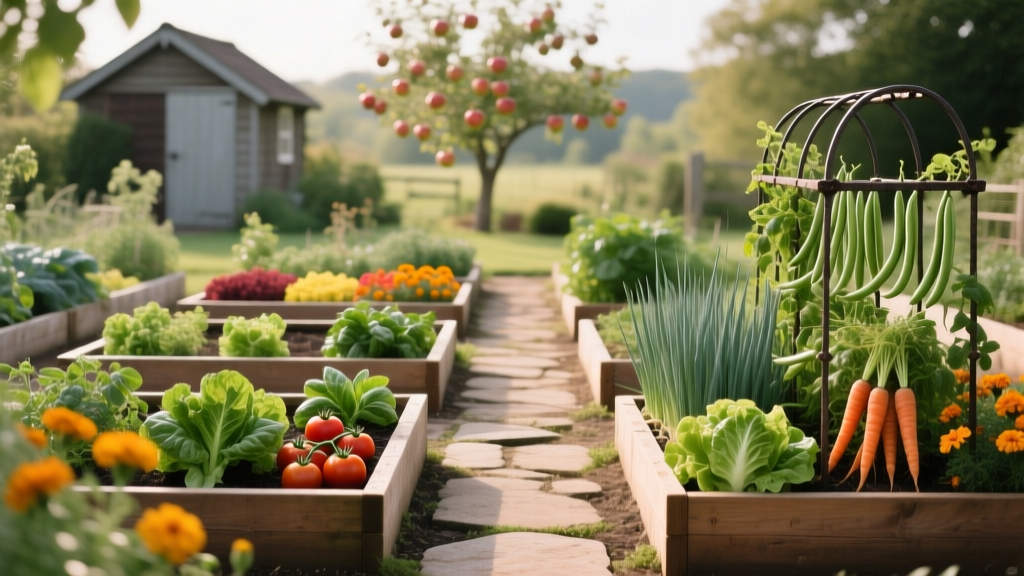
Potager Garden Design: Planning a Beautiful Kitchen Layout
Emily WatsonPublished
The Art of the Potager: Blending Beauty and Utility
The French potager garden is the ultimate intersection of form and function, transforming the traditional vegetable patch into a breathtaking, structured landscape. Unlike standard row-cropping, a potager (pronounced po-ta-zhay) integrates vegetables, herbs, and ornamental flowers into geometric patterns that are as visually striking as they are productive. If you are looking to elevate your backyard gardening experience, designing a kitchen garden requires careful planning, precise measurements, and an eye for aesthetic balance. In this comprehensive planning guide, we will walk you through the essential design principles, material costs, and spatial layouts required to build a stunning and highly productive potager garden right in your own backyard.
Sizing Your Raised Beds and Pathways
When planning your kitchen garden layout, accessibility is paramount. The golden rule of raised bed construction is to never exceed a width of 4 feet if the bed is accessible from both sides, or 2 feet if it is pushed against a fence or wall. This ensures you can comfortably reach the center of the bed to harvest, weed, and amend the soil without stepping on your carefully prepared growing medium and causing compaction. Standard lengths of 8 feet or 10 feet are ideal, as they minimize material waste when cutting standard lumber or positioning pre-fabricated metal beds.
Pathways are the arteries of your potager garden. For a functional design, main pathways should be at least 3 feet wide to accommodate a standard garden wheelbarrow, while secondary access paths can be narrowed to 2 feet. When mapping out your space, draw a grid on graph paper where one square equals one square foot. This will help you visualize the ratio of growing space to walking space. A well-designed kitchen garden typically dedicates about 60% of the total footprint to raised beds and 40% to pathways and structural focal points.
Material Selection and Budget Planning
The materials you choose for your raised beds will dictate the longevity, aesthetic, and overall cost of your garden design. Here is a practical breakdown of popular raised bed materials, estimated costs for a standard 4x8-foot bed (11 inches deep), and their respective lifespans to help you plan your budget effectively.
- Untreated Cedar or Redwood: Costs between $150 and $220 per bed. Naturally rot-resistant and aesthetically pleasing, cedar weathers to a beautiful silver-gray over time. Expect a lifespan of 10 to 15 years.
- Galvanized Steel (Corrugated): Costs between $120 and $180 per bed. Highly durable, modern in appearance, and excellent for warming soil quickly in the spring. Lifespan exceeds 20 years, though the bottom may eventually rust if drainage is poor.
- Composite Timber: Costs between $250 and $350 per bed. Zero maintenance, no chemical leaching, and will not rot or splinter. However, it can bow outward if not properly braced with internal cross-ties on beds longer than 6 feet.
Designing for Symmetry and Focal Points
A defining characteristic of the potager is its reliance on symmetry and strong geometric lines. Whether you opt for a classic four-quadrant cross layout, a series of parallel rectangular beds, or a diamond-patterned parterre, the design should feel intentional. To anchor the space, incorporate a central focal point. This could be a sundial, a birdbath, a large terracotta urn planted with a dwarf citrus tree, or a rustic wooden obelisk draped in climbing nasturtiums. Placing a focal point at the intersection of your main pathways draws the eye inward and creates a sense of enclosed, secret-garden intimacy.
The Companion Planting Grid Layout
In a kitchen garden, plants are not grown in isolated rows; they are interplanted to maximize space, deter pests, and create visual tapestries of color and texture. According to integrated pest management guidelines from the University of California Agriculture and Natural Resources (UC ANR), intercropping aromatic herbs and flowering ornamentals with vulnerable vegetables can significantly disrupt the host-finding behavior of common pests like aphids and cabbage loopers. Below is a strategic companion planting grid designed for a single 4x4-foot raised bed section.
| Center Focal Plant | Surrounding Companions | Outer Edge Border | Primary Benefit |
|---|---|---|---|
| Indeterminate Tomato | Basil and Borage | French Marigolds | Pest deterrence and flavor enhancement |
| Curly Kale | Dill and Nasturtiums | Sweet Alyssum | Attracts predatory wasps and hoverflies |
| Bush Zucchini | Pole Beans (on trellis) | Radicchio | Ground cover shading and nitrogen fixing |
| Sweet Peppers | Cilantro and Chives | Dwarf Zinnias | Pollinator attraction and aphid management |
Vertical Structures and Hardscaping
To maximize yield in a compact footprint, vertical gardening is essential. Incorporate trellises, arbors, and cattle panels into your design plan. A 16-foot galvanized cattle panel, bent into an arch and secured with T-posts, costs roughly $35 and provides an incredible 50 square feet of vertical growing space for indeterminate tomatoes, pole beans, and cucumbers. Place these vertical structures on the northernmost edge of your garden beds to prevent them from casting shade on your lower-growing sun-loving crops during the peak of summer. Wooden obelisks, which cost around $40 to $60 each, are perfect for supporting sweet peas and climbing snapdragons, adding vital height and architectural interest to the corners of your beds.
Soil Preparation and Volume Calculations
The foundation of any successful potager is its soil. Because raised beds require a significant volume of growing medium, buying bagged soil quickly becomes cost-prohibitive. For a standard 4x8-foot bed that is 11 inches deep, you will need approximately 29.3 cubic feet of soil. The Cornell University Cooperative Extension recommends a nutrient-rich, well-draining mix for raised beds, often achieved by combining high-quality topsoil, organic compost, and aeration materials. A reliable, cost-effective bulk recipe is 50% screened topsoil, 30% organic compost, and 20% coarse horticultural sand or pine bark fines to ensure adequate drainage and prevent compaction over the growing season. Ordering this mix in bulk from a local landscape supply yard will cost roughly $45 to $75 per cubic yard, saving you hundreds of dollars compared to bagged alternatives.
Pathway Materials and Weed Suppression
Finally, do not neglect the ground beneath your feet. Bare dirt pathways will quickly become a muddy, weed-choked mess after heavy spring rains. For a budget-friendly and highly effective pathway design, lay down overlapping layers of heavy-duty cardboard to smother existing grass and weeds. Top the cardboard with a 3-inch layer of arborist wood chips or crushed gravel. Wood chips are often available for free from local tree-trimming services, and as they slowly decompose, they encourage beneficial mycorrhizal fungi that can actually network with the roots of your nearby raised beds, improving overall plant health and nutrient uptake. Crushed pea gravel, while more expensive at roughly $50 per ton, offers a more formal, manicured aesthetic that perfectly complements the structured lines of a traditional French potager.
Seasonal Succession and Maintenance Planning
A beautiful kitchen garden is never truly finished; it evolves with the seasons. When planning your layout, designate specific beds for cool-season spring crops like peas, radishes, and spinach, which will be harvested by early summer. This frees up space for heat-loving succession plantings like bush beans or fall brassicas. Keep a dedicated garden journal to track your planting dates, harvest yields, and pest pressures. By treating your potager garden as a living canvas that shifts in color, texture, and purpose throughout the year, you ensure that your outdoor space remains a dynamic, productive, and deeply rewarding extension of your home.
