Gardening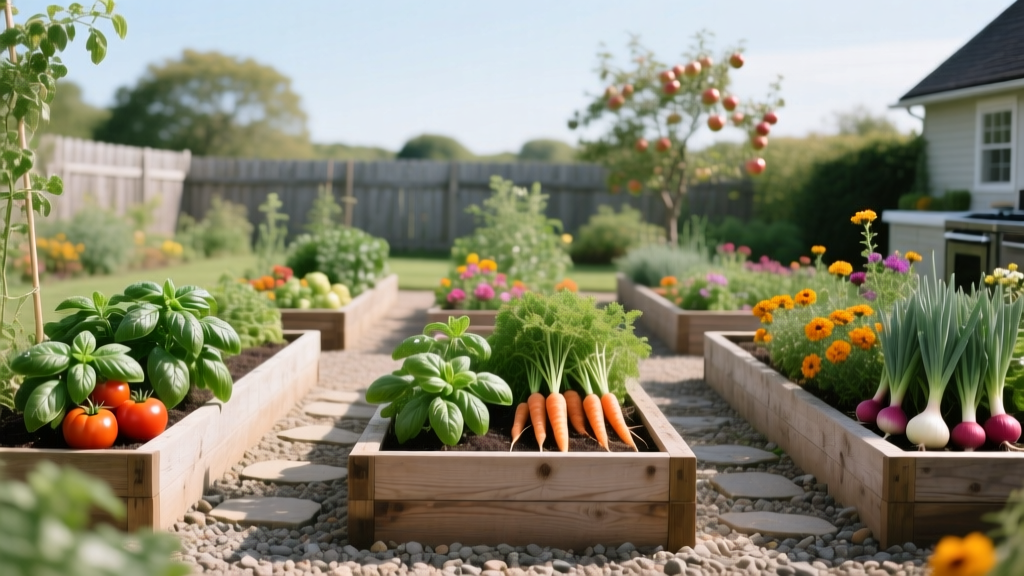
Designing a Potager Kitchen Garden: Layouts and Plans
Mike RodriguezPublished
The Renaissance of the Potager Garden
The traditional French potager (pronounced po-ta-zhay) is far more than a simple vegetable patch; it is a masterclass in landscape architecture, blending the utility of a kitchen garden with the aesthetic rigor of an ornamental parterre. For modern homeowners, designing a potager kitchen garden offers a unique opportunity to maximize yard space, boost curb appeal, and harvest organic produce simultaneously. Unlike row-crop farming, which prioritizes mechanical efficiency, a potager prioritizes beauty, biodiversity, and intensive companion planting.
Whether you are working with a sprawling suburban backyard or a compact urban courtyard, planning a potager requires a deliberate approach to geometry, hardscaping, and plant selection. This comprehensive guide will walk you through the essential design ideas, layout measurements, and horticultural strategies needed to cultivate a breathtaking and highly productive edible landscape.
Core Design Principles for Potager Layouts
Geometry and Symmetry
The backbone of any potager is its geometric framework. Classic designs rely on symmetry, utilizing squares, rectangles, diamonds, and circles to create visual harmony. A popular layout is the four-quadrant cross, where four raised beds surround a central focal point, such as a birdbath, a dwarf fruit tree, or a classic sundial. This structured approach not only pleases the eye but also simplifies crop rotation and garden maintenance.
Hardscaping and Pathway Planning
In a potager, the negative space—the pathways—is just as important as the planting beds. Pathways dictate the flow of the garden and provide essential access for planting, weeding, and harvesting. When planning your layout, ensure that main pathways are at least 36 to 48 inches wide to accommodate a standard garden wheelbarrow, while secondary paths between beds can be narrowed to 18 to 24 inches.
Vertical Accents and Focal Points
To break up the horizontal lines of raised beds, incorporate vertical elements. Wooden obelisks, wrought-iron trellises, and bamboo teepees add architectural interest and provide vital support for climbing crops like pole beans, cucumbers, and indeterminate tomatoes. Placing these structures at the intersections of pathways or at the rear of beds draws the eye and creates a sense of enclosed, intimate garden rooms.
Dimensions, Materials, and Cost Planning
Translating your design from paper to soil requires careful consideration of materials and budget. Raised beds are the cornerstone of the modern potager, offering superior drainage, defined geometry, and reduced soil compaction. Below is a structured planning chart detailing recommended dimensions and estimated material costs for a standard 400-square-foot potager layout.
| Component | Recommended Dimensions | Estimated Material Cost | Best Material Options |
|---|---|---|---|
| Raised Planting Beds | 4 ft x 8 ft (18-24 inches deep) | $150 - $300 per bed | Untreated Cedar, Redwood, Composite Lumber |
| Main Pathways | 36 - 48 inches wide | $2 - $4 per sq. ft. | Crushed Gravel, Decomposed Granite, Brick |
| Secondary Paths | 18 - 24 inches wide | $1 - $2 per sq. ft. | Wood Chips, Stepping Stones, Clover Lawn |
| Vertical Trellises | 6 - 8 ft tall | $40 - $120 each | Cedar Lattice, Cattle Panels, Iron Obelisks |
Note: Costs are approximate and vary by region and supplier. Untreated cedar is highly recommended for its natural rot resistance and longevity, typically lasting 10 to 15 years before needing replacement.
Soil Preparation for Intensive Planting
Because potager gardens utilize intensive planting methods—where plants are spaced closer together than in traditional row gardens—soil fertility and structure are paramount. The goal is to create a loamy, nutrient-dense medium that retains moisture while draining excess water.
A widely adopted formula for raised bed soil is a variation of Mel's Mix, popularized by square-foot gardening pioneer Mel Bartholomew. For a standard 4x8 bed that is 12 inches deep, you will need approximately 32 cubic feet of soil. Blend the following:
- 1/3 Coarse Vermiculite or Perlite: Ensures aeration and prevents soil compaction over time.
- 1/3 Peat Moss or Coconut Coir: Provides excellent water retention. (Coir is increasingly preferred for its sustainable harvesting practices).
- 1/3 Blended Compost: Use a mix of at least three different compost sources (e.g., mushroom, cow manure, and homemade kitchen compost) to ensure a broad spectrum of micronutrients.
Plant Selection: Blending Edibles and Ornamentals
The magic of the potager lies in its plant palette. Vegetables, herbs, and flowers are intermingled not just for visual contrast, but for ecological benefits. Companion planting deters pests, attracts pollinators, and maximizes spatial efficiency. When planning your layout, consider the texture, color, and height of your plants. For example, the deep burgundy leaves of 'Ruby Red' Swiss chard pair beautifully with the feathery foliage of bronze fennel and the bright orange blooms of calendula.
Strategic Companion Planting Chart
| Primary Crop | Companion Plants | Ecological Benefit | Design Role |
|---|---|---|---|
| Tomatoes (Indeterminate) | Basil, French Marigolds | Marigolds suppress root-knot nematodes; basil may improve flavor and deter hornworms. | Tall trellised backdrop with low-growing colorful border. |
| Carrots | Rosemary, Nasturtiums | Rosemary masks carrot scent from rust flies; nasturtiums act as a trap crop for aphids. | Groundcover spillway over bed edges with feathery textures. |
| Bush Beans | Zinnias, Borage | Borage attracts vital pollinators and predatory wasps; zinnias draw butterflies. | Vibrant, mid-height color blocks that hide fading bean foliage. |
| Kale and Cabbage | Dill, Sweet Alyssum | Alyssum attracts hoverflies whose larvae devour cabbage aphids. | Sculptural, architectural foliage softened by delicate floral carpets. |
Seasonal Succession and Crop Rotation
A well-designed potager is never static; it evolves with the seasons. Succession planting ensures that as one crop finishes, another is ready to take its place, keeping the garden visually full and highly productive. In early spring, fill your beds with cool-season crops like snap peas, radishes, and pansies. As the summer heat arrives, transition to heat-loving tomatoes, peppers, and zinnias. By late summer, sow fall crops like spinach, garlic, and ornamental kale.
To maintain soil health and prevent the buildup of soil-borne diseases, practice strict crop rotation. Never plant crops from the same botanical family (e.g., Solanaceae: tomatoes, peppers, eggplants) in the exact same bed two years in a row. The geometric quadrant layout of a classic potager makes tracking a four-year crop rotation cycle remarkably simple.
Expert Insights and Authoritative Guidelines
When planning the spatial arrangements and soil depths for your potager, it is crucial to rely on horticultural science rather than guesswork. According to the Cornell University College of Agriculture and Life Sciences (CALS), intensive raised bed gardening requires careful attention to plant spacing to avoid microclimate issues like powdery mildew.
“In raised beds, the loose, deep soil allows for closer plant spacing than traditional row gardens. However, gardeners must balance high-density planting with adequate airflow to prevent fungal diseases. Utilizing vertical trellising for vining crops is essential to maximize yield per square foot while maintaining plant health.” — Cornell University Cooperative Extension, Guide to Raised Bed Gardening
Furthermore, Cornell researchers emphasize the importance of annual soil testing. Before the spring planting season, send a soil sample to your local university extension office to determine exact pH and nutrient deficiencies. Most vegetable and ornamental annuals thrive in a slightly acidic to neutral pH range of 6.2 to 6.8. If your soil test indicates high acidity, incorporate pelletized garden lime at the rate recommended by your extension report during the autumn planning phase.
Conclusion: Cultivating Your Living Masterpiece
Designing a potager kitchen garden is an exercise in balancing form and function. By adhering to geometric principles, investing in durable hardscaping, and thoughtfully integrating companion plants, you can create an outdoor space that feeds both the body and the soul. Start small, perhaps with a simple four-bed cross layout, and expand your edible oasis as your confidence and horticultural skills grow. With careful planning and a passion for beauty, your potager will become the crowning jewel of your landscape.
