
Landscaping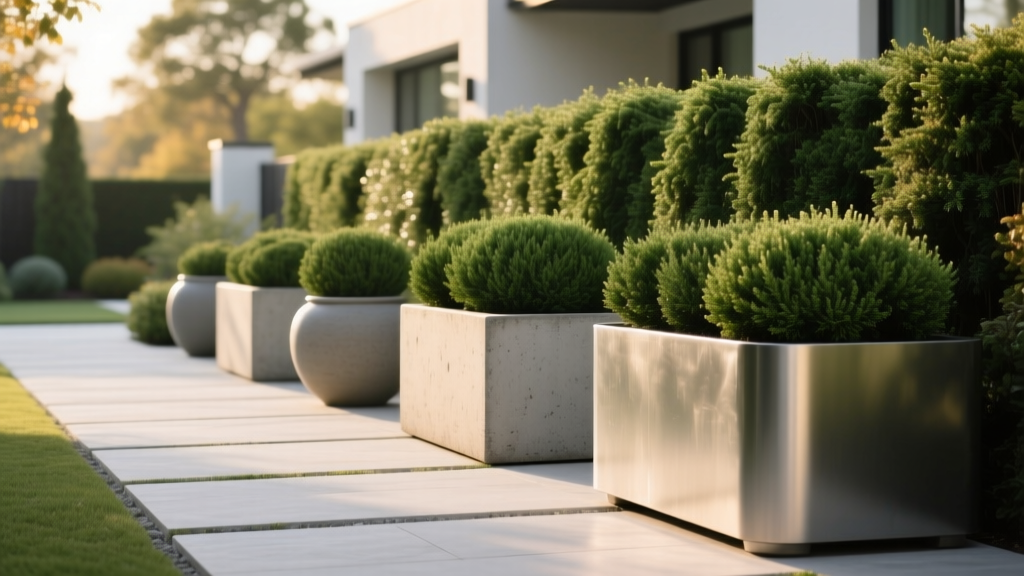
Potted Juniper Driveway Borders: Best 2026 Container Guide
Anna KowalskiPublished
Transforming Driveway Borders with Container-Grown Junipers
Landscaping a driveway border can be one of the most challenging exterior design projects a homeowner faces. You are often battling poor soil conditions, concrete aprons, utility lines, and the ever-present threat of winter snowplows or road salt. In 2026, the most elegant and practical solution gaining traction in landscape architecture is using low-growing junipers cultivated in large, architectural containers. This approach merges the rugged, evergreen beauty of creeping junipers with the flexibility and controlled environment of modern pot gardening.
By elevating your driveway border into a curated lineup of high-end planters, you bypass the need for extensive excavation, eliminate soil-borne diseases, and create a modular landscape that can be rearranged or protected during extreme weather. Whether you are framing a long suburban driveway or accenting a compact urban parking pad, potted junipers offer year-round structure, vibrant color, and unparalleled curb appeal.
Why Choose Containers for Driveway Borders?
Traditional in-ground driveway borders are notoriously difficult to maintain. Soil compaction from vehicle traffic, alkaline runoff from concrete, and winter salt spray can quickly decimate delicate groundcovers. Low-growing junipers (Juniperus horizontalis) are naturally resilient, but even they struggle in heavy, waterlogged clay or highly alkaline soils often found near paved surfaces.
Container gardening solves these issues entirely. According to landscaping guidelines published by Penn State Extension, container planting allows for complete control over the soil profile, ensuring the sharp drainage that junipers demand. Furthermore, large planters act as physical barriers that define the edge of the driveway, preventing vehicles from encroaching on the lawn while remaining heavy enough to withstand strong winds. If a container is damaged or a plant needs replacing, you simply swap out the pot rather than tearing up the landscape.
Top Low-Growing Juniper Varieties for Pots
Not all junipers are suited for container life. You need varieties that naturally hug the ground, tolerate root confinement, and resist winter desiccation. Here are the top three low-growing junipers recommended for driveway container borders in 2026:
| Variety | Foliage Color | Container Spread | Winter Hue | Drought Tolerance |
|---|---|---|---|---|
| Blue Rug (Wilshire) | Silvery Blue | 3 to 4 feet | Purplish-Blue | Excellent |
| Tam (Juniperus sabina) | Light Green | 2 to 3 feet | Deep Green | Very Good |
| Bar Harbor | Steel Blue | 3 to 5 feet | Bronze-Purple | Excellent |
| Blue Chip | Icy Blue | 2 to 3 feet | Silver-Green | Excellent |
Blue Rug remains the undisputed champion for driveway borders due to its aggressive, trailing habit that beautifully spills over the edges of modern rectangular planters. Tam is an excellent choice if you prefer a lighter, brighter green that contrasts well with dark asphalt or grey concrete. As noted by the University of Minnesota Extension, selecting cold-hardy evergreen cultivars is critical for container survival, as roots in pots are exposed to ambient air temperatures on all sides during winter freezes.
Selecting the Right Containers for 2026
The success of a potted juniper driveway border hinges on the quality and size of the containers. Junipers develop extensive, woody root systems and require significant soil volume to thrive long-term.
Sizing and Dimensions
For a continuous border effect, choose rectangular trough planters or large square pots. A minimum soil depth of 18 inches and a width of 24 inches is required for low-growing junipers. If you are using rectangular troughs, ensure they are at least 36 inches long to allow the plant to spread and cascade naturally.
Material Trends for 2026
- Glass-Fiber Reinforced Concrete (GFRC): The top choice for 2026. GFRC offers the authentic, weathered look of poured concrete but weighs a fraction of the amount, making it easier to position while remaining heavy enough to resist tipping.
- Sealed Corten Steel: For modern and industrial landscapes, Corten steel planters provide a stunning rust-patina contrast against the icy blue foliage of a Blue Rug juniper. Ensure the steel is sealed with a plant-safe polyurethane liner to prevent iron toxicity in the soil.
- Marine-Grade Fiberglass: Highly durable, frost-proof, and available in matte finishes that mimic stone. Fiberglass is ideal for regions with extreme freeze-thaw cycles where terracotta or cheap ceramics would shatter.
Crucial Tip: Never use unsealed terracotta or standard ceramic pots for outdoor evergreen borders. The moisture retention combined with freezing temperatures will cause the pots to crack and shatter within a single winter season.
The Ultimate Potting Soil Recipe for Junipers
Junipers despise "wet feet." Root rot is the number one killer of container-grown conifers. Standard bagged potting soil retains too much moisture and will suffocate juniper roots. You must create a custom, fast-draining mix.
The 2026 Conifer Container Mix
- 40% Pine Bark Fines: Provides structure, aeration, and slow-decaying organic matter.
- 30% Pumice or Expanded Shale: Ensures rapid drainage and prevents soil compaction over time.
- 20% Coir (Coconut Coir): Retains just enough moisture and nutrients without becoming waterlogged (superior to peat moss, which can become hydrophobic when dry).
- 10% Coarse Builder's Sand: Adds weight to the container for stability and improves drainage.
Mix these components thoroughly before filling your planters. Always leave a 2-inch gap from the top of the pot to allow for proper watering. Elevate the containers using heavy-duty pot feet or rubber risers to ensure the drainage holes never sit in standing water or freeze to the driveway surface.
Planting, Spacing, and Design Strategy
When designing a driveway border, rhythm and repetition are key. Instead of placing pots end-to-end (which looks cluttered and creates tripping hazards), space your containers 4 to 6 feet apart. Allow the junipers to grow and eventually "kiss" in the negative space between the pots. This creates the illusion of a continuous hedge while maintaining the distinct, architectural appeal of individual planters.
When planting, tease out the outer roots of the nursery plant to prevent girdling. Plant the juniper at the exact same depth it was in its nursery pot; burying the trunk flare will invite fungal diseases. Top-dress the soil with a 1-inch layer of crushed gravel or river rock. This mulch alternative suppresses weeds, reflects heat back onto the plant, and prevents soil from splashing onto the foliage during heavy rains.
Smart Irrigation and Year-Round Maintenance
Container plants dry out significantly faster than in-ground plantings. In the heat of summer, a large juniper in a sunny driveway border may need water every other day. In 2026, integrating smart drip irrigation is the most efficient way to manage this.
Smart Drip Setup
Run a main polyethylene drip line along the back edge of the driveway border, hidden behind the planters. Use barbed tees to run a micro-tube into each pot, terminating in a 2 GPH (gallons per hour) pressure-compensating drip emitter. Connect the main line to a smart Wi-Fi irrigation controller (such as Rachio or Netro) that adjusts watering schedules based on local hyper-local weather data and evapotranspiration rates.
Winterizing Potted Evergreens
Winter wind and sun can desiccate evergreen foliage, especially when the soil in the pot is frozen and the roots cannot take up water. In late November, apply an anti-desiccant spray (like Wilt Pruf) to the juniper foliage to seal in moisture. Additionally, wrap the base of the containers with bubble wrap or insulating planter sleeves if you live in USDA Zones 5 or below, protecting the root ball from lethal hard freezes.
Fertilizing and Pruning
Junipers are light feeders. In early spring, apply a slow-release, acid-loving evergreen fertilizer (such as a 12-4-8 blend with added iron) to the surface of the soil. Avoid high-nitrogen liquid fertilizers, which promote weak, leggy growth that is prone to winter breakage.
Pruning should be minimal. Use sharp bypass pruners to snip back any wayward branches that reach too far into the driveway clearance zone. Never cut back into the "dead zone" (the older, brown, needle-less wood near the center of the plant), as junipers will not regenerate foliage from old wood. Lightly tip-pruning the green growth in early summer encourages dense, lush branching that will keep your driveway border looking immaculate for years to come.
Conclusion
Landscaping a driveway border with low-growing junipers in large containers is a brilliant fusion of form and function. It circumvents poor soil, protects plants from snowplows, and provides a high-end, architectural framework for your home's entrance. By selecting the right frost-proof planters, utilizing a custom-draining soil mix, and implementing smart irrigation, your potted juniper border will thrive beautifully through every season of 2026 and beyond.

