Pest Control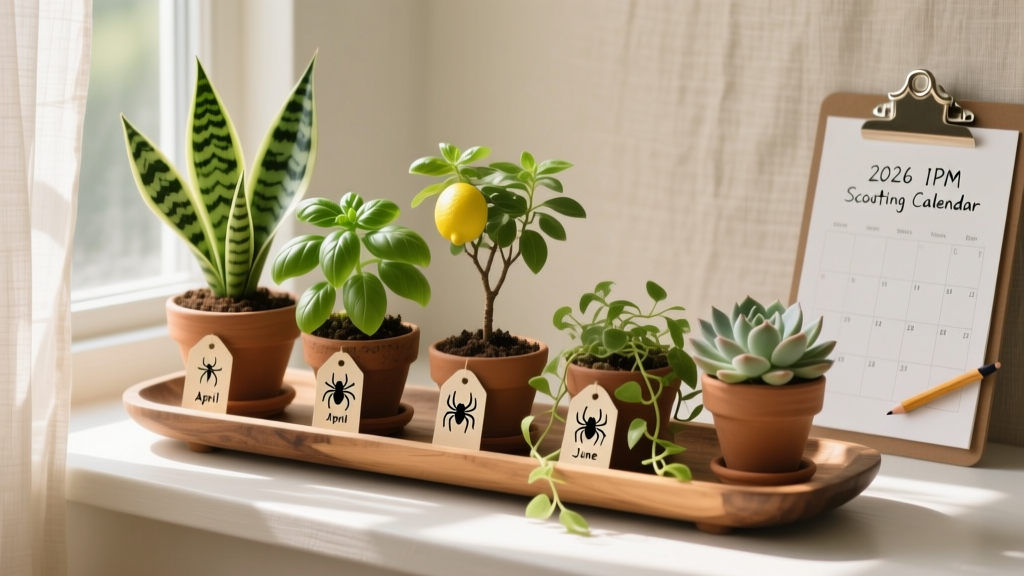
2026 IPM Scouting Calendar for Potted Container Gardens
Anna KowalskiPublished
Introduction to IPM for Container Gardens in 2026
Container gardening offers immense control over soil composition, drainage, and spatial arrangement, but pots also create unique microclimates where pests can multiply rapidly if left unchecked. Restricted root zones and soil-less potting mixes mean that container plants are highly susceptible to moisture-related pests and rapid nutrient depletion, which in turn weakens plant immunity. In 2026, Integrated Pest Management (IPM) remains the gold standard for home gardeners seeking to protect their potted plants without relying on broad-spectrum, ecologically damaging pesticides.
As we navigate the 2026 growing season, the widespread adoption of peat-free and coco-coir-based potting mixes has shifted the moisture retention dynamics in container gardens. These sustainable mixes are excellent for aeration but can sometimes harbor different fungal gnat species or dry out faster, inviting spider mites. A proactive scouting calendar is your best defense. By routinely monitoring your containers, you can catch infestations before they breach the economic or aesthetic injury threshold, applying targeted, organic controls only when necessary.
The Core Principles of Container IPM Scouting
According to the EPA's official IPM guidelines, integrated pest management is not a single pest control method but a series of pest management evaluations, decisions, and controls. For container gardens, this translates to four distinct steps:
- Set Action Thresholds: In a small patio pot, seeing one aphid might not warrant action, but finding colonies on the tender new growth of your prized container citrus tree requires immediate intervention.
- Monitor and Identify: Use a 10x jeweler's loupe to inspect the undersides of leaves and the soil surface. Correct identification is crucial; treating a fungal issue with an insecticide is a waste of resources.
- Prevention: Cultural controls like proper watering, sterilizing pots before reuse, and using high-quality, pasteurized potting media are your first line of defense.
- Control: When thresholds are breached, start with biological and mechanical controls (like beneficial nematodes or yellow sticky traps) before escalating to organic chemical sprays like Spinosad or Neem oil.
The 2026 Container Garden IPM Scouting Calendar
Use the following structured calendar to guide your weekly scouting routines. This schedule is tailored for temperate climates (USDA Zones 6-8) but can be shifted based on your local frost dates.
| Season | Primary Target Pests | Scouting Method & Frequency | IPM Action Threshold |
|---|---|---|---|
| Spring (Mar-May) | Fungus Gnats, Aphids, Thrips | Check soil surface daily; inspect new leaf growth weekly with a loupe. | Adult gnats visible on soil; >5 aphids per terminal shoot. |
| Summer (Jun-Aug) | Spider Mites, Whiteflies, Scale | Shake foliage over white paper weekly; check leaf undersides for webbing. | Stippling on >10% of leaves; whiteflies taking flight when disturbed. |
| Fall (Sep-Nov) | Mealybugs, Scale, Overwintering Aphids | Inspect stem joints and leaf axils bi-weekly; check for honeydew residue. | Visible cottony masses; sticky residue on lower leaves or patio surfaces. |
| Winter (Dec-Feb) | Indoor Transition Pests (Mites, Gnats) | Monitor indoor container humidity; check soil moisture before watering. | Soil staying wet for >5 days; persistent flying insects near indoor pots. |
Month-by-Month Scouting & Action Plan
Spring: Tackling Soil-Borne and Sap-Sucking Pests
Spring is the season of rapid vegetative growth, making your container plants highly attractive to sap-sucking insects. Fungus gnats are arguably the most common container pest. As detailed in the UC Davis Pest Notes on Fungus Gnats, these pests thrive in the top inch of moist potting mix. To scout, place a slice of raw potato on the soil surface of your pots for 24 hours; if larvae are present, they will congregate on the potato. If you spot adult gnats flying when you water, it is time to act.
IPM Action: Allow the top two inches of your container soil to dry out completely between waterings. Apply a soil drench of Bacillus thuringiensis israelensis (Bti), commonly sold as Mosquito Bits. Steep 4 tablespoons of Bti in a gallon of water for 30 minutes, strain, and use it to water your pots. This biological control specifically targets gnat larvae without harming plant roots or beneficial soil microbes. For aphids on new growth, a strong blast of water from a hose nozzle is often enough to dislodge them from sturdy container plants.
Summer: Managing Heat-Stress Pests
Summer heat stresses container plants, especially those in dark-colored pots that absorb radiant heat. Stressed plants emit volatile organic compounds that attract spider mites and whiteflies. Spider mites thrive in hot, dry conditions and will quickly web the tops of your potted tomatoes or ornamentals. To scout, hold a piece of white paper beneath a branch and tap the foliage sharply. If tiny, moving specks resembling pepper flakes fall onto the paper, you have a mite infestation.
IPM Action: Increase ambient humidity around your containers by grouping pots together and placing them on saucers filled with pebbles and water. Introduce biological controls like the predatory mite Phytoseiulus persimilis. In 2026, a standard shaker bottle of these beneficial mites costs around $35 and can treat up to 20 large patio containers. Release them in the early evening to prevent UV degradation. For whiteflies, deploy one yellow sticky card per four containers to monitor and trap adult populations.
Fall: Preparing for Dormancy and Eradicating Hiding Pests
As temperatures drop, pests seek shelter in the dense canopies and protected stem joints of your container plants. Mealybugs and scale insects are notorious for hiding in the leaf axils of potted citrus, hibiscus, and succulents. Scout by running your fingers along the undersides of stems and looking for white, cottony masses (mealybugs) or hard, brown, immobile bumps (scale). Both pests excrete honeydew, which leads to black sooty mold on the leaves and the patio floor beneath the pots.
IPM Action: For localized mealybug outbreaks, use a cotton swab dipped in 70% isopropyl alcohol to dissolve their waxy coating and kill them on contact. For widespread scale or mealybug infestations on containerized woody plants, apply a dormant or horticultural oil (like neem oil or mineral oil) at a 2% dilution rate (5 tablespoons per gallon of water). Ensure you spray the entire plant, including the undersides of leaves and the soil surface, as eggs often overwinter in the top layer of the potting mix.
Winter: Indoor Transition and Dormancy Checks
Bringing container plants indoors for the winter is a major vector for introducing pests into your home environment. Before moving pots inside, scout them thoroughly. Isolate new indoor arrivals for at least 14 days. During the winter, indoor heating systems drop relative humidity to below 20%, creating a paradise for spider mites. Conversely, overwatering dormant indoor pots leads to root rot and severe fungus gnat outbreaks.
IPM Action: Invest in a digital hygrometer to monitor indoor humidity, aiming for 40-50%. Use a soil moisture meter rather than a fixed watering schedule; only water indoor containers when the meter reads 'dry' at the root zone level. If fungus gnats emerge indoors, apply beneficial nematodes (Steinernema feltiae) to the soil surface. These microscopic worms hunt down gnat larvae in the potting mix and are completely safe for indoor use around pets and children.
Essential IPM Scouting Tools for 2026
To execute this calendar effectively, you need the right tools. Here is a breakdown of the essential scouting and treatment kit for the modern container gardener:
- 10x Jeweler's Loupe ($12 - $18): Essential for identifying thrips, spider mite eggs, and early-stage scale crawlers that are invisible to the naked eye.
- Yellow and Blue Sticky Cards ($15 for 50): Yellow attracts whiteflies, aphids, and fungus gnats. Blue is specifically attractive to thrips. Place them just above the canopy of your tallest containers.
- Digital Soil Moisture Meter ($20 - $30): Prevents the overwatering that leads to fungal diseases and gnat infestations. Look for a dual-probe model that measures both moisture and soil pH.
- Pressurized Pump Sprayer ($25 - $40): A 1-gallon or 2-gallon pump sprayer ensures even coverage of horticultural oils and insecticidal soaps, which require thorough contact to be effective.
Pro Tip for 2026: Always add a non-ionic surfactant or a few drops of mild liquid castile soap to your foliar IPM sprays. This breaks the surface tension of the water, allowing the treatment to coat the waxy leaves of container plants evenly and preventing the solution from rolling off into the potting soil, which can alter soil chemistry.
Conclusion
Successful container gardening in 2026 relies on observation rather than reaction. By implementing this IPM scouting calendar, you shift from a cycle of panic-spraying to a proactive, ecologically balanced approach. Regular monitoring, combined with targeted biological and cultural controls, ensures your potted plants remain vibrant, productive, and pest-free throughout the entire growing season and beyond. For further reading on sustainable pest management, consult the comprehensive resources available at the University of California Statewide IPM Program.