
Landscaping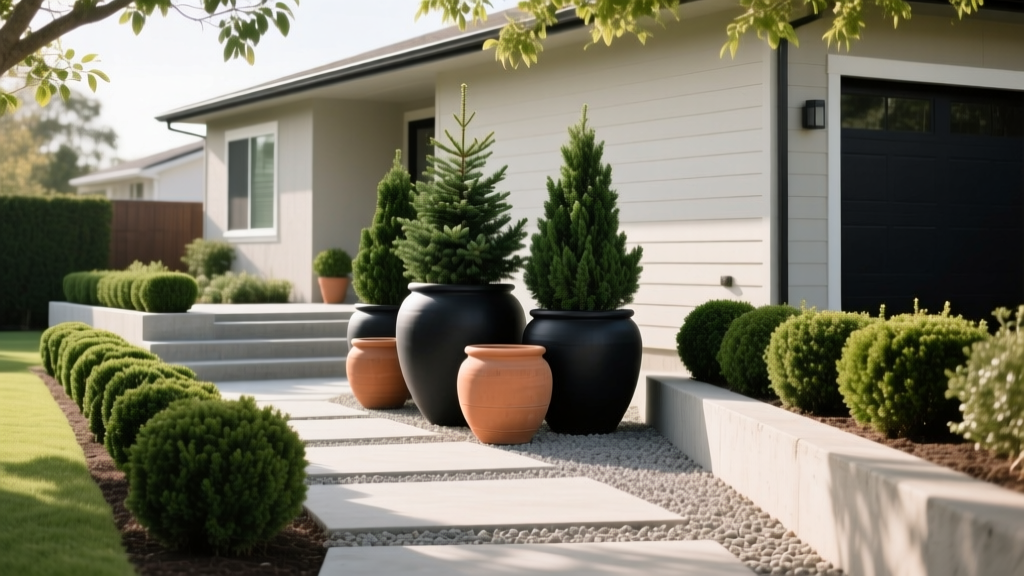
2026 Front Yard Makeover: Potted Shrub Border Ideas
James MillerPublished
The Rise of the Container Shrub Border in 2026
Welcome to the 2026 landscaping season, where the traditional front yard makeover is getting a major, low-maintenance upgrade. Homeowners are increasingly moving away from high-maintenance, in-ground hedge rows that require constant soil amending, heavy trenching, and relentless weeding. Instead, the premier trend for front yard shrub border redesigns is the modular, potted shrub border. By utilizing large, architectural containers, you can create a stunning, structured landscape that offers instant curb appeal, unparalleled flexibility, and a fraction of the upkeep.
According to landscaping experts and resources like the University of Minnesota Extension, container gardening has evolved far beyond simple patio flowers. Today, oversized planters are being used to anchor foundation plantings, line walkways, and create privacy screens. This approach is particularly revolutionary for front yards with poor soil quality, heavy clay, or complicated underground utilities where digging is a nightmare.
Why Choose Pots for Your Front Yard Shrub Border?
Designing a low-maintenance shrub border using containers offers several distinct advantages for the modern homeowner:
- Instant Maturity: You can purchase 3-to-5-gallon shrubs and place them in large 24-inch planters, instantly achieving the look of a mature, established border without waiting five years for in-ground root systems to expand.
- Complete Soil Control: Front yard soil is often compacted builder-fill. Containers allow you to provide the exact pH, drainage, and nutrient profile your specific shrubs require from day one.
- Modular Flexibility: If a shrub becomes diseased, outgrows its space, or you simply want to change your landscape design, you can swap out the container without tearing up your lawn or mulch beds.
- Weed Elimination: By elevating your shrubs and using a decorative top-dressing of river rock or gravel, you virtually eliminate the need to weed around the base of your plants.
Top Low-Maintenance Shrubs for Large Containers
Not all shrubs thrive in the confined root space of a container. For a front yard border, you need slow-growing, drought-tolerant evergreens that maintain their shape with minimal pruning. Below is a comparison chart of the best low-maintenance shrubs for potted borders in 2026.
| Shrub Variety | Mature Height (In Pot) | Water Needs | Sunlight | 2026 Avg Price (3-Gal) |
|---|---|---|---|---|
| Dwarf Hinoki Cypress | 3 - 5 feet | Low (Once established) | Full to Part Sun | $65 - $85 |
| Buxus 'Green Velvet' Boxwood | 2 - 3 feet | Moderate | Part Shade to Sun | $45 - $60 |
| Nandina 'Firepower' | 2 - 3 feet | Low | Full Sun | $35 - $50 |
| Juniperus 'Blue Star' | 1 - 2 feet | Very Low | Full Sun | $40 - $55 |
| Camellia 'ShiShi Gashira' | 3 - 4 feet | Moderate | Part Shade | $70 - $90 |
As noted by Gardeners\' World, selecting slow-growing cultivars is the secret to keeping container shrubs manageable for years without needing to repot them into heavier, larger vessels.
Choosing the Right Planters for Curb Appeal
The planter you choose is just as important as the plant inside it. For a front yard makeover, the containers must withstand harsh weather, resist fading from UV rays, and complement your home\'s architectural style.
1. Glass Fiber Reinforced Concrete (GFRC)
GFRC planters have dominated the 2026 market. They offer the heavy, premium look of cast stone but weigh up to 70% less, making them easier to move when empty. They are frost-resistant and develop a beautiful, natural patina over time. Look for tapered square shapes in charcoal or sandstone to frame a modern front walkway.
2. Corten Steel
For contemporary or mid-century modern homes, Corten steel planters provide a striking contrast to green evergreen foliage. These planters develop a protective, rust-colored patina that seals the metal and prevents structural degradation. Rectangular Corten troughs are perfect for creating a continuous, linear shrub border along a front porch.
3. High-Density Fiberglass
If your front yard border requires many planters, fiberglass is a budget-friendly, lightweight option that mimics the look of ceramic or terracotta. Ensure you purchase UV-stabilized fiberglass to prevent cracking and fading after years of direct sunlight exposure.
Soil, Drainage, and Irrigation for Potted Borders
The most common mistake in container landscaping is using garden soil or cheap topsoil. According to Better Homes & Gardens, in-ground soil will compact in a pot, suffocating roots and causing fatal root rot. You must use a high-quality, well-draining potting mix.
The Ideal 2026 Container Soil Recipe
- 40% High-quality commercial potting base (peat or coco coir)
- 30% Pine bark fines (for aeration and structure)
- 20% Coarse perlite or pumice (for critical drainage)
- 10% Worm castings and biochar (for long-term nutrient retention)
Drainage is Non-Negotiable: Every planter must have at least three large drainage holes. Elevate your planters using heavy-duty rubber pot feet to allow water to escape freely and prevent the bottom of the planter from sitting in mud, which can stain your concrete walkway and rot the roots.
Smart Irrigation Integration
Hand-watering a front yard border defeats the purpose of a low-maintenance redesign. In 2026, integrating a smart drip irrigation system is standard practice. Run a main poly-tube along the back of the planters, concealed by mulch or decorative rocks. Use adjustable button drippers (2 GPH) for each shrub. Connect the mainline to a smart hose timer, such as the Rachio 4 Smart Hose Timer or the Orbit B-hyve XR, which adjusts watering schedules automatically based on local hyper-local weather forecasts and soil moisture data.
Step-by-Step Front Yard Makeover Plan
Ready to transform your front yard? Follow this actionable, step-by-step guide to installing your potted shrub border this weekend.
- Map the Border: Measure the length of your walkway or foundation. For a cohesive look, space your large planters exactly 36 inches apart, center-to-center. Use landscaping spray paint to mark the spots on your lawn or mulch bed.
- Prep the Base: If placing pots on grass, lay down a heavy-duty weed barrier fabric and cover it with a 2-inch layer of crushed gravel. This creates a level, well-draining base and prevents grass from growing up into the planter drainage holes.
- Position Empty Planters: Place your empty planters on the prepared base. Step back and view them from the street to ensure the spacing and scale look correct relative to your home\'s facade.
- Plant the Shrubs: Add a layer of gravel at the bottom of the pot, fill halfway with your custom soil mix, and gently place the shrub in the center. The root ball should sit one inch below the rim of the pot. Fill in the sides, tamping down gently to remove air pockets.
- Top-Dress and Conceal: Water the shrubs deeply until water flows from the drainage holes. Top the soil with a 2-inch layer of decorative river rock or dark lava rock. This locks in moisture, prevents weeds, and gives the installation a finished, high-end architectural look.
- Install Drip Lines: Thread your drip irrigation tubing behind the planters, securing it with landscape staples, and connect it to your smart timer.
Winterizing Your Potted Shrub Border
Because container shrubs are exposed to freezing air on all sides, their roots are more vulnerable to winter damage than in-ground plants. If you live in a climate where temperatures drop below freezing, winterizing is a crucial part of your maintenance routine. For GFRC and fiberglass pots, wrap the exterior of the planters in a layer of horticultural bubble wrap or burlap, secured with twine. This insulates the root ball. Additionally, group the planters closer together during the winter months to create a microclimate that shields them from harsh, drying winds. By following these 2026 best practices, your modular potted shrub border will remain a stunning, low-maintenance focal point of your front yard for years to come.

