Lawn Care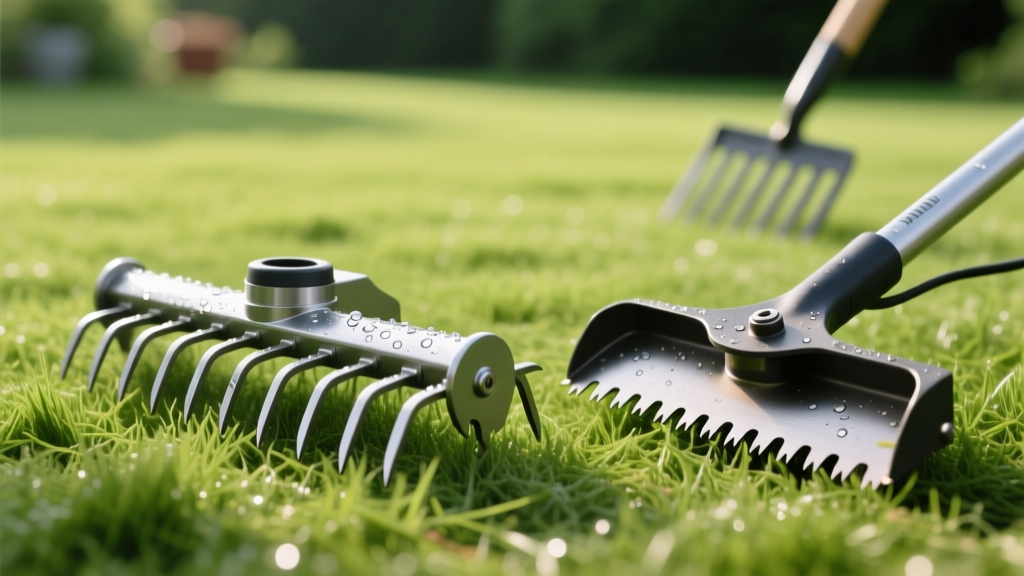
Power Rake vs Dethatcher Blade: 2026 Thatch Removal Guide
Robert HayesPublished
Introduction to 2026 Thatch Management and Seedbed Preparation
As we navigate the 2026 growing season, achieving a thick, vibrant, and resilient lawn requires more than just regular mowing and fertilization. For homeowners and turf professionals focused on aeration and overseeding, addressing the thatch layer is a non-negotiable step in the seedbed preparation process. Thatch—the intermingled layer of living and dead stems, roots, and crowns that develops between the green vegetation and the soil surface—can become a formidable barrier. When left unchecked, it prevents water, nutrients, and newly scattered grass seed from making direct contact with the soil.
When it comes to mechanical thatch removal, two primary tools dominate the conversation: the dedicated power rake and the dethatcher mower blade attachment. While both aim to improve turf health, their mechanisms, aggressiveness, and ideal use cases differ drastically. Choosing the wrong tool can result in inadequate seed-to-soil contact or, worse, severe damage to your turf's crown and root system. This comprehensive guide breaks down the power rake vs. dethatcher blade comparison, providing actionable, up-to-date advice for your 2026 lawn renovation projects.
Understanding Thatch: The Barrier to Seed-to-Soil Contact
Before selecting your equipment, it is vital to understand what thatch is and why it interferes with aeration and seeding. A thin layer of thatch (about 0.25 to 0.5 inches) is actually beneficial; it insulates the soil, retains moisture, and provides a cushion against foot traffic. However, when the thatch layer exceeds 0.5 inches, it becomes a hydrophobic sponge that harbors pests and fungal pathogens.
According to turfgrass researchers at the UMass Amherst Turf Program, excessive thatch prevents core aerator tines from penetrating deeply into the soil, rendering the aeration process largely ineffective. Furthermore, if you overseed directly over a thick thatch mat, the new grass seeds will germinate in the decaying organic matter rather than the mineral soil. Their shallow root systems will quickly desiccate during the first summer heatwave of 2026. Therefore, mechanical removal is required to physically tear through the mat and expose the soil.
Power Rakes: Heavy-Duty Thatch Extraction
A power rake (often referred to as a verticutter or dethatching machine) is a standalone, walk-behind piece of equipment powered by a gas or commercial-grade electric motor. Instead of relying on the rotational force of a mower deck, a power rake utilizes a rapidly spinning reel equipped with rigid flail blades or stiff wire tines.
How Power Rakes Work
The flail blades on a power rake are designed to slice vertically into the turf canopy and the thatch layer. By adjusting the depth gauge on the machine, you can set the blades to barely scratch the soil surface or dig up to a quarter-inch into the dirt. This aggressive slicing action not only pulls up matted thatch but also creates shallow, vertical grooves in the soil. These grooves are the ultimate landing pads for grass seed during the overseeding process.
Pros and Cons for 2026 Seedbed Prep
- Pros: Highly effective at removing thick thatch layers (0.75 inches or more). Creates excellent soil furrows for seed-to-soil contact. Capable of leveling minor surface irregularities.
- Pros: Standalone operation means you are not limited by the width or power of your existing lawn mower.
- Cons: Extremely aggressive; can severely damage delicate or dormant warm-season grasses if used improperly.
- Cons: Requires physical exertion to operate and transport. In 2026, renting a commercial-grade power rake (such as a Billy Goat or Classen model) from a local equipment yard typically costs between $95 and $140 per day.
Dethatcher Mower Blades: The DIY Maintenance Approach
A dethatcher blade is an aftermarket attachment designed to replace the standard cutting blade on your existing rotary lawn mower. These specialized blades feature spring-loaded tines or rigid wire loops attached to the cutting edges. As the mower deck spins, the tines rake the surface of the lawn, pulling up dead material while the standard blade edges continue to cut the living grass.
How Dethatcher Blades Work
Because the tines are attached to a standard mower blade, they rely on the mower's engine RPM and the user's pushing speed. The spring tines flex when they hit hard objects like rocks or exposed tree roots, which prevents damage to the mower deck. However, they lack the downward, driving force of a heavy, standalone power rake.
Pros and Cons for 2026 Seedbed Prep
- Pros: Highly cost-effective. A high-quality Oregon or John Deere dethatcher blade costs between $30 and $60 in 2026, making it a one-time purchase rather than a rental expense.
- Pros: Excellent for annual maintenance and removing light thatch buildup (under 0.5 inches) or clearing away winter debris and dead snow mold in the early spring.
- Cons: Ineffective on heavily compacted, thick thatch layers. The tines tend to bounce over dense mats rather than slicing through them.
- Cons: Does not create the deep soil scoring necessary for optimal seed-to-soil contact during a major overseeding renovation.
Head-to-Head Comparison: Power Rake vs. Dethatcher Blade
To help you decide which tool belongs in your 2026 lawn care arsenal, review the structured comparison below:
| Feature | Power Rake (Verticutter) | Dethatcher Mower Blade |
|---|---|---|
| Mechanism | Rigid flail blades on a dedicated spinning reel | Spring tines attached to a rotary mower blade |
| Ideal Thatch Depth | 0.75 inches and above (Heavy renovation) | 0.25 to 0.5 inches (Light maintenance) |
| Soil Disturbance | High; scores soil for seed furrows | Low; mostly glides over the soil surface |
| 2026 Estimated Cost | $95 - $140 per day (Rental) | $30 - $60 (One-time purchase) |
| Best Used For | Pre-aeration prep, major overseeding, leveling | Spring cleanup, annual thin thatch removal |
| Grass Type Safety | Safe for cool-season; use caution on warm-season | Generally safe for all grass types if set high |
The 2026 Aeration and Seeding Protocol
Integrating thatch removal into your broader aeration and seeding strategy requires a specific sequence of events. The University of Minnesota Extension emphasizes that removing the physical barrier of thatch before core aeration is critical for maximizing the depth and effectiveness of the aeration tines.
Step 1: Mow and Prep
Lower your mower deck to the lowest safe setting for your specific grass type and bag the clippings. You want to expose the thatch layer as much as possible before introducing mechanical dethatching tools.
Step 2: Thatch Extraction
If your thatch exceeds 0.5 inches, rent a power rake. Run the machine over the lawn in two perpendicular directions (north-south, then east-west). If your thatch is minimal and you are simply doing a light overseeding to thicken an existing cool-season lawn, a dethatcher mower blade will suffice to scratch the surface and lift dead organic matter.
Step 3: Core Aeration
Once the thatch is removed and the soil is exposed, run a core aerator over the lawn. Without the spongy thatch layer in the way, the aerator tines will pull deep, clean plugs of soil, relieving compaction and creating massive macropores for water and oxygen.
Step 4: Overseed and Topdress
Apply your 2026 certified grass seed blend. The seed will now fall directly into the aeration holes and the shallow grooves left by the power rake. Follow up with a light topdressing of compost to cover the seed and retain moisture.
Seasonal Timing for Cool and Warm-Season Grasses
Timing your thatch removal to align with your grass's peak recovery window is essential. Aggressive power raking causes significant stress to the turf, and doing it during the wrong season can invite weed invasions like crabgrass or Poa annua.
- Cool-Season Grasses (Tall Fescue, Kentucky Bluegrass, Perennial Ryegrass): The optimal window for power raking, aerating, and overseeding is late summer to early fall (late August through September). The soil is warm, promoting rapid seed germination, but the air is cooling, reducing heat stress on the recovering turf.
- Warm-Season Grasses (Bermuda, Zoysia, Centipede): These grasses should only be dethatched when they are actively growing and fully green, typically in late spring to early summer (May through June). Never power rake a warm-season lawn in the fall, as the turf will not have time to recover before winter dormancy, leaving bare soil vulnerable to erosion and winter weeds.
Cleanup and Disposal Strategies
One of the most shocking aspects of using a power rake for the first time is the sheer volume of debris it produces. A moderately thatched lawn can yield dozens of bags of dead, brown organic matter. In 2026, the most efficient way to clean up after power raking is to use a heavy-duty lawn sweeper or to run your standard mower with a high-capacity bagging attachment over the lawn. The mower's vacuum effect will lift the loosened thatch while simultaneously cutting any remaining tall grass blades that were disturbed during the raking process. Do not skip the cleanup step; leaving thick piles of dead thatch on the lawn will smother the living grass and block sunlight from reaching your newly sown seed.
Final Thoughts on Seedbed Preparation
When comparing a power rake vs. a dethatcher blade for aeration and seeding, the decision ultimately comes down to the current condition of your lawn and the scope of your renovation. For annual maintenance and light surface scratching, the dethatcher mower blade is an economical and convenient choice. However, if your goal is a complete lawn renovation, deep core aeration, and maximum seed-to-soil contact in 2026, the standalone power rake is an indispensable tool that will yield professional-grade results.