
Landscaping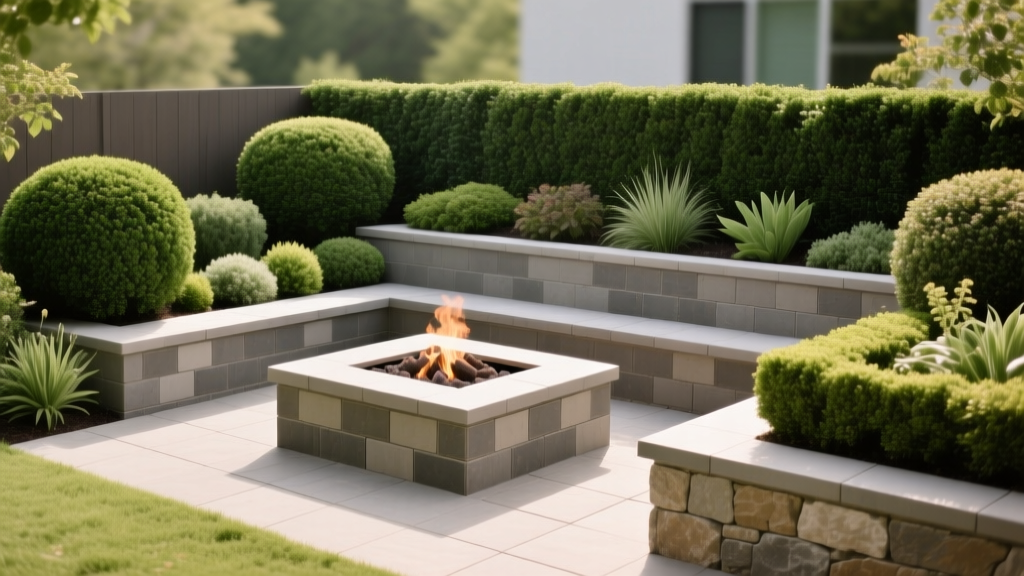
Pruning Plants Around Unilock Fire Pits & Seating Walls 2026
Mike RodriguezPublished
The Intersection of Hardscape and Softscape in 2026
Designing a premium outdoor living space in 2026 goes far beyond simply laying down hardscape materials. The most breathtaking landscape designs seamlessly integrate structural elements with living softscapes. A Unilock paver fire pit surrounded by a meticulously crafted seating wall—such as those built with Brussels Dimensional Stone or Lineo Dimensional Stone—serves as the ultimate backyard centerpiece. However, the plants bordering this hardscape require specialized maintenance. Overgrown shrubs and trees can obstruct sightlines, drop sap onto your pristine pavers, and, most importantly, pose severe fire hazards. Understanding the precise pruning methods and timing for the vegetation surrounding your Unilock fire pit area is essential for maintaining a safe, beautiful, and functional outdoor oasis.
Fire Safety and Clearance Pruning
When dealing with an open-flame feature like a fire pit, landscaping maintenance is fundamentally a safety issue. The National Fire Protection Association (NFPA) emphasizes the concept of defensible space and Firewise landscaping principles, which are just as critical in a micro-backyard environment as they are in wildfire-prone zones. Embers from a crackling fire can easily travel several feet, igniting dry foliage, deadwood, or highly resinous branches hanging over your seating area.
Clearance pruning is your first line of defense. You must maintain a strict vertical and horizontal clearance zone around the fire pit and the surrounding Unilock paver surround. For most standard residential fire pits, a minimum horizontal clearance of 10 feet from the flame source to any combustible tree canopy is recommended. Vertically, ensure that no overhanging branches exist within 15 feet of the fire pit. This requires proactive thinning and the complete removal of dead or diseased wood, which acts as prime tinder.
Pruning Methods for Seating Wall Borders
The plants situated directly behind or adjacent to your Unilock seating wall require a nuanced approach to pruning. The goal is to maintain a lush, layered aesthetic without allowing the foliage to swallow the hardscape or block the view across the fire pit. According to horticultural experts at the University of Minnesota Extension, utilizing the correct pruning cuts ensures plant health and structural integrity.
1. Thinning Out
Thinning involves removing entire branches back to their point of origin or to a major lateral branch. This is the preferred method for shrubs planted near seating walls, such as Viburnums or Lilacs. Thinning opens up the plant's canopy, allowing wind to pass through (which reduces the risk of wind-blown embers catching in dense foliage) and permits sunlight to reach the lower branches. It also keeps the plant's overall footprint in check, preventing it from encroaching on the seating space.
2. Renewal (Rejuvenation) Pruning
For older, overgrown deciduous shrubs that have begun to block the sightlines across your fire pit, renewal pruning is highly effective. This involves cutting the oldest, thickest stems down to the ground level in late winter. This method stimulates the growth of vibrant, new, and more compact stems that will respect the boundaries of your Unilock hardscape without looking artificially sheared.
3. Pinching and Shearing (Use with Caution)
While shearing is common for formal boxwood hedges, it is generally discouraged for naturalistic fire pit borders. Shearing creates a dense outer shell of foliage that traps moisture and deadwood inside the plant, increasing disease susceptibility and fire fuel loads. If you are using dwarf conifers or formal evergreens near your paver surround, opt for selective hand-pruning with bypass pruners to maintain their natural form while controlling their size.
The 2026 Pruning Calendar for Hardscape Borders
Timing is everything. Pruning at the wrong time of year can stimulate tender new growth that gets damaged by frost, or it can remove the flower buds that provide seasonal color around your outdoor living space. Here is a seasonal guide to pruning the plants around your fire pit area:
- Late Winter / Early Spring (Dormant Season): This is the ideal time for structural pruning, thinning, and renewal pruning of deciduous shrubs and shade trees. Without leaves, you can clearly see the branch structure and identify limbs that threaten to overhang the fire pit or drop debris onto the Unilock pavers.
- Spring (Post-Bloom): Shrubs that bloom on old wood, such as Forsythia, Weigela, and certain Hydrangeas, should be pruned immediately after their flowers fade in late spring. Pruning them in winter would remove the season's blooms.
- Early Summer: Evergreens, including Arborvitae and Mugo Pines, should be pruned or pinched in early summer when the new growth (candles) has expanded but not yet hardened off. This keeps them compact and prevents them from scratching guests sitting on the seating wall.
- Late Summer / Early Fall: Avoid heavy pruning during this period. Pruning now can stimulate late-season growth that will not have time to harden off before winter freezes, leading to dieback and unsightly dead branches near your entertainment area.
Plant Selection, Pruning, and Clearance Data Table
Choosing the right plants and knowing how to maintain them is crucial for the longevity of your hardscape and the safety of your guests. Below is a structured guide for common fire pit border plants.
| Plant Type | Pruning Method | Optimal Timing | Min. Clearance from Fire Pit | Hardscape Considerations |
|---|---|---|---|---|
| Dwarf Mugo Pine | Candle Pinching | Early Summer | 8 Feet | Highly resinous; keep away from ember drift zones. |
| Boxwood (Buxus) | Thinning / Light Shearing | Late Spring | 5 Feet | Dense foliage can trap moisture against seating walls. |
| Karl Foerster Grass | Hard Cutback | Late Winter | 4 Feet | Ornamental grasses are highly flammable when dry; cut to 2 inches annually. |
| Miss Kim Lilac | Renewal / Thinning | Post-Bloom (Spring) | 6 Feet | Prevents suckering from undermining paver base edges. |
| Hydrangea paniculata | Heading / Thinning | Late Winter | 5 Feet | Blooms on new wood; keeps size manageable behind seating walls. |
Protecting Your Unilock Paver Investment
Pruning is not just about plant health and fire safety; it is also about protecting your significant investment in Unilock wall blocks and pavers. Overhanging branches from trees like Maples or Oaks can drip sap onto your paver surround. Over time, this sap bakes in the sun, attracting dirt and creating stubborn stains that are difficult to remove without specialized hardscape cleaners. Furthermore, dense, unpruned foliage traps shade and moisture against the seating wall, creating an ideal environment for algae, mildew, and moss to grow in the paver joints.
Root management is another hidden factor. While not strictly 'pruning' of the canopy, root pruning or the installation of root barriers is necessary for aggressive trees planted too close to the fire pit surround. Tree roots can easily heave and crack the compacted aggregate base beneath your Unilock pavers, leading to uneven surfaces and pooling water. By maintaining a strict pruning and planting buffer zone, you ensure the structural integrity of your outdoor living space for decades to come.
Conclusion
A Unilock fire pit and seating wall represent the pinnacle of backyard luxury and durability. However, the true beauty of this hardscape is only realized when the surrounding softscape is meticulously maintained. By adhering to the 2026 best practices for clearance pruning, utilizing the correct thinning and renewal methods, and timing your cuts to match the plant's natural growth cycle, you create a safe, visually stunning, and harmonious outdoor environment. Grab your bypass pruners, respect the clearance zones, and enjoy your perfectly balanced outdoor living space.

