
Landscaping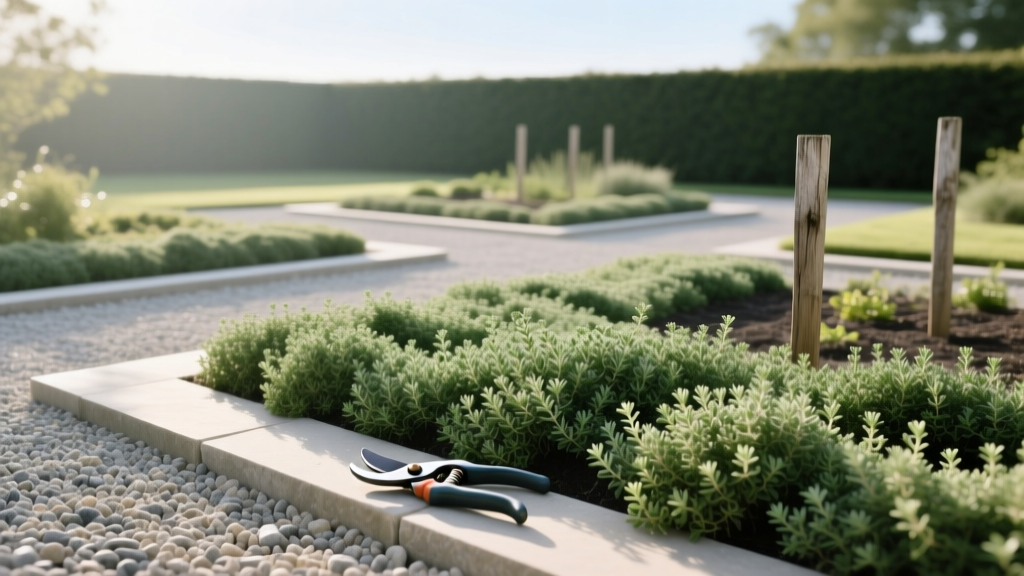
Pruning Creeping Thyme in Gravel Gardens: 2026 Guide
James MillerPublished
The Evolution of Gravel Gardens in 2026
As water conservation and climate-resilient landscaping dominate the horticultural conversation in 2026, the gravel garden has transitioned from a niche xeriscaping trend to a mainstream design staple. Homeowners and landscape architects alike are embracing the aesthetic and ecological benefits of replacing thirsty turfgrass with dynamic, low-water matrices. At the heart of this movement is the strategic use of low-growing, drought-tolerant groundcovers woven through inorganic mulch. Among the most prized of these plants is creeping thyme (Thymus serpyllum and Thymus praecox), a rugged, fragrant, and visually stunning perennial that thrives in the sharp drainage provided by gravel beds.
However, a successful gravel garden design relies on more than just planting and walking away. The secret to maintaining a lush, weed-suppressing carpet of thyme year after year lies in mastering specific pruning methods and timing. Without a disciplined pruning regimen, creeping thyme can become woody, sparse, and vulnerable to weed infiltration—defeating the entire purpose of your low-maintenance landscape.
Why Creeping Thyme and Gravel are a Perfect Match
Creeping thyme is a Mediterranean native that demands excellent drainage and full sun. Traditional organic mulches, like wood chips, tend to retain moisture against the plant's shallow root system, leading to fungal diseases and root rot. A 2-to-3-inch layer of crushed granite or pea gravel, laid over a permeable geotextile fabric, provides the exact environment thyme craves. The gravel reflects sunlight, warms the soil gently in spring, and allows water to percolate rapidly away from the crown.
When allowed to form a dense, interlocking mat, creeping thyme acts as a living mulch. It shades the soil, suppresses weed seeds from germinating in the gravel matrix, and releases a delightful fragrance when stepped on or brushed. But achieving this dense mat requires strategic intervention: pruning.
The Pruning Imperative: Preventing Woody Decline
Like many woody sub-shrubs, creeping thyme naturally lignifies (turns woody) at its base as it ages. If left unpruned, the lower stems lose their foliage, creating a hollow, dead center while the plant expends all its energy on long, leggy top growth. In a gravel garden, this open, woody structure is disastrous. It creates gaps where wind-blown weed seeds can settle into the gravel, and it ruins the uniform, carpet-like aesthetic of the design.
According to horticultural experts at Penn State Extension, regular pruning of woody perennials and sub-shrubs is essential to stimulate lateral bud break, encourage dense branching, and maintain the structural integrity of the plant. For creeping thyme, this means cutting back the foliage at specific times of the year to force the plant to grow outward and downward, hugging the gravel surface tightly.
Seasonal Pruning Calendar for Creeping Thyme
Timing is everything. Pruning at the wrong time can expose tender new growth to frost damage or remove the season's flower buds. Below is the definitive 2026 seasonal calendar for maintaining thyme in a gravel garden.
| Season | Timing Window | Pruning Method | Primary Objective |
|---|---|---|---|
| Early Spring | Post-frost (March/April) | Hard Rejuvenation Cut | Remove winter damage, eliminate woody stems, stimulate basal growth. |
| Mid-Summer | Post-bloom (July/August) | Light Shearing | Remove spent flower heads, encourage dense foliage, prevent seeding. |
| Late Autumn | Pre-dormancy (October) | Perimeter Edging | Define borders, keep thyme out of pathways, prepare for winter. |
Step-by-Step Pruning Methods
1. Early Spring Rejuvenation (The Hard Cut)
As soon as the threat of hard freezing temperatures has passed in early spring, it is time for the most aggressive prune of the year. Using sharp, sterilized bypass shears or a dedicated groundcover trimmer, cut the thyme back by one-third to one-half of its total height. Your goal is to snip just above the lowest set of green leaves on the stems. Never cut into completely bare, brown wood, as thyme struggles to regenerate from leafless lignified tissue. This hard cut removes any foliage damaged by winter desiccation and forces the plant to push out fresh, dense shoots from the lower nodes.
2. Post-Bloom Summer Shearing (The Aesthetic Trim)
Creeping thyme varieties like 'Elfin' and 'Pink Chintz' put on a spectacular floral display in early to mid-summer. Once the flowers begin to fade and turn brown, the plant will attempt to produce seed. This diverts energy away from vegetative growth. Using a string trimmer with a guard (set on its highest setting) or manual hedge shears for smaller areas, give the entire thyme mat a light 'haircut.' Shearing off the top 10-15% of the plant removes the spent blooms, tidies the appearance of the gravel garden, and redirects the plant's energy into thickening the foliage mat before autumn. As noted by The Old Farmer's Almanac, regular harvesting or shearing of thyme promotes a bushier, more compact growth habit.
3. Late Autumn Edge Management (The Boundary Control)
Thyme is an aggressive spreader in optimal conditions. By late autumn, it will likely have crept over the edges of your gravel beds, into adjacent lawns, or over stone pathways. Use a half-moon edger or a precision string trimmer to cut a clean, vertical line along the perimeter of the garden bed. This not only maintains the crisp, architectural lines of your 2026 landscape design but also prevents the thyme from rooting into unwanted areas where it can trap organic debris and compromise the inorganic gravel matrix.
Designing the Gravel Matrix for Pruning Efficiency
One of the most overlooked aspects of gravel garden design is how the choice of gravel impacts maintenance and pruning. When you shear creeping thyme, hundreds of tiny stems and leaves fall to the ground. If you use large, irregular river rock or deep pea gravel, this organic debris will sink between the stones, decompose, and create a fertile seedbed for weeds.
For a thyme-dominant gravel garden, the best design choice is a 3/8-inch crushed granite or decomposed granite (DG) matrix. Crushed granite locks together to form a firm, semi-permeable surface that sits flush with the thyme's crown. When you prune, the clippings simply rest on top of the compacted granite and can be easily swept away with a stiff push broom or blown away with a cordless leaf blower. This synergy between plant and hardscape is what makes the modern gravel garden truly low-maintenance.
2026 Tool Recommendations for Groundcover Maintenance
Working in a gravel garden requires tools that can handle dusty, abrasive conditions while providing precision cuts. Here are the top tool categories for maintaining creeping thyme this year:
- Cordless Lithium-Ion Shrub Shears: The latest 2026 models feature brushless motors and anti-jamming blade technology, perfect for slicing through thyme's fibrous, semi-woody stems without tearing. Look for models with a 4-inch to 6-inch blade for maneuverability around boulders and pavers.
- Japanese Hori Hori Knife: Essential for spot-weeding and dividing thyme plugs. The serrated edge cuts through roots and geotextile fabric with ease, while the concave blade is perfect for scooping out small weeds that manage to sprout near the thyme's crown.
- Adjustable String Trimmer with Guard: For large-scale gravel gardens (over 500 square feet), a string trimmer is mandatory for the summer shearing phase. Ensure the guard is intact to prevent blasting the crushed granite matrix across your yard.
Troubleshooting Common Issues
Even with perfect pruning, gravel gardens can present unique challenges. If you notice bare, woody patches in the center of your thyme mat, it is a sign that the plant was not pruned aggressively enough in previous springs. You can attempt to rehabilitate the area by gently raking out the dead wood, top-dressing the exposed gravel with a thin layer of coarse sand, and pinning down adjacent healthy stems to encourage them to root into the bare spot.
If you see fungal dieback (often presenting as gray or black web-like growth on the stems), it is usually caused by poor air circulation or excessive moisture. Ensure your gravel layer is at least 2 inches thick to elevate the foliage away from soil moisture, and prune the thyme more frequently to open up the canopy and allow airflow. For comprehensive cultivation tips, resources like Gardener's Path offer excellent diagnostic guides for groundcover ailments.
Conclusion
A gravel garden anchored by creeping thyme is a triumph of modern, sustainable landscape design. It reduces water usage, eliminates the need for mowing, and provides year-round textural interest. However, the 'low-maintenance' label is only earned through proactive care. By adhering to a strict pruning calendar—rejuvenating in spring, shearing in summer, and edging in autumn—you ensure your thyme remains a dense, impenetrable, and fragrant carpet. Embrace these pruning methods in 2026, and your gravel garden will remain a pristine, weed-free oasis for decades to come.

