Gardening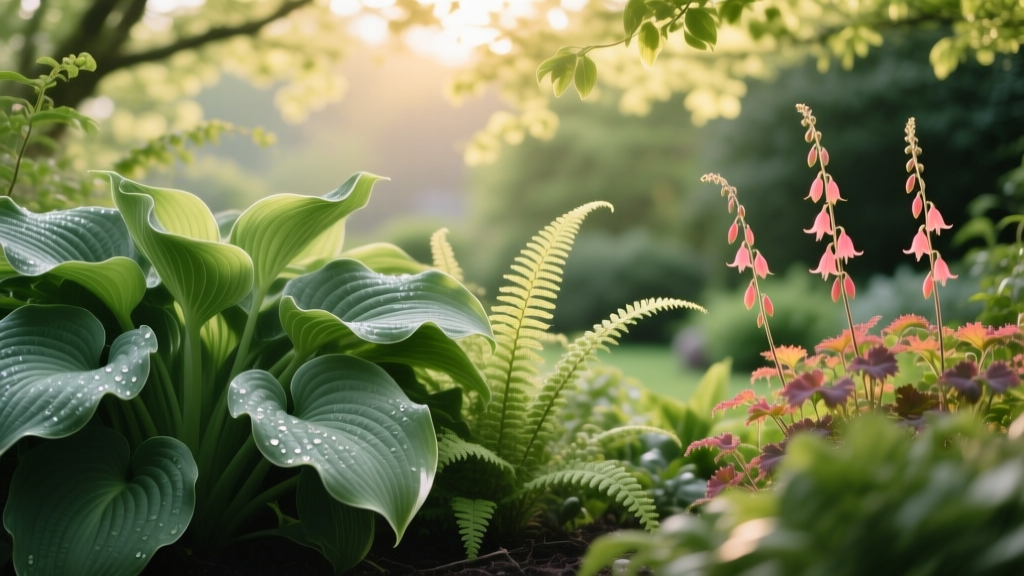
2026 Pruning Guide: Hosta, Fern, and Coral Bells Shade Gardens
Robert HayesPublished
The Evolution of Shade Garden Maintenance in 2026
Designing a lush, textural shade garden using the classic trio of hostas, ferns, and coral bells (Heuchera) remains one of the most reliable landscaping strategies for low-light environments. However, as we navigate the 2026 gardening season, the approach to maintaining these herbaceous perennials has shifted. While traditional 'pruning' typically brings to mind the structural cutting of woody shrubs and trees, the pruning of shade perennials is more accurately described as cutting back, deadheading, and grooming. In 2026, sustainable gardening practices emphasize timing these cutbacks to support local ecosystems, protect plant crowns from erratic spring frosts, and prevent the spread of persistent fungal and viral diseases.
Understanding the specific pruning methods and timing for hostas, ferns, and coral bells is essential for maximizing their vigor, foliage color, and architectural form. This comprehensive guide breaks down exactly how and when to prune your shade garden trio in 2026.
Understanding Herbaceous 'Pruning' vs. Woody Pruning
Unlike hydrangeas or roses, hostas, ferns, and coral bells do not develop permanent woody stems above ground. Their top growth dies back to the ground (or remains semi-evergreen) each winter. Therefore, 'pruning' these plants involves three primary actions: deadheading (removing spent flower stalks), cutting back (removing dead or damaged foliage at the base), and grooming (snipping away individual diseased or tattered leaves). Executing these methods at the correct time of year ensures the plant directs its energy into root development and vibrant new foliage rather than seed production or rotting tissue.
Hosta (Plantain Lily): Cutback and Grooming Timing
Hostas are the backbone of the shade garden, prized for their sweeping, architectural foliage. Pruning hostas is less about shaping and entirely about hygiene, energy redirection, and disease prevention.
Deadheading Flower Scapes
In mid-to-late summer, hostas send up tall flower scapes. While some gardeners leave these for pollinators, allowing them to go to seed diverts vital energy away from the rhizome. Once the flowers have faded, or if you are growing cultivars purely for foliage (like the massive Hosta 'Empress Wu'), use clean bypass pruners to snip the flower scape as close to the base as possible without damaging the surrounding leaf petioles.
The Fall vs. Spring Cutback Debate
Historically, gardeners were taught to chop all hosta foliage to the ground in late autumn. However, 2026 best practices recommend delaying the major cutback until late winter or very early spring. Leaving the dead foliage in place over winter acts as a natural mulch, insulating the crown from freeze-thaw cycles and providing overwintering habitat for beneficial insects. According to the University of Minnesota Extension, waiting until the new shoots (pips) are just barely visible at the soil surface in spring makes it much easier to rake away the old, decomposing leaves without snapping the fragile new growth.
Disease Prevention and Grooming
During the growing season, immediately prune away any leaves showing signs of Hosta Virus X (HVX), which manifests as mottled, puckered, or distorted foliage. The Royal Horticultural Society warns that HVX is incurable and highly contagious. If a plant is heavily infected, the entire plant must be dug up and destroyed, not composted. For minor fungal leaf spots, simply snip away the affected leaves and sterilize your tools immediately.
Ferns: Frond Trimming and Dormancy Management
Ferns bring a delicate, prehistoric texture to the shade garden. Pruning methods depend entirely on whether you are growing deciduous or evergreen fern species.
Deciduous Ferns (e.g., Ostrich Fern, Lady Fern, Japanese Painted Fern)
Deciduous ferns die back completely to the ground in winter. The dead, brown fronds (stipes and rachises) remain attached to the crown. Do not prune these in the fall. Instead, wait until late winter or early spring, just before the 2026 spring thaw. Using sharp shears, cut the dead fronds off at the very base, taking extreme care not to nick the tightly coiled fiddleheads (croziers) that are preparing to emerge. Cutting them back too early exposes the crown to winter desiccation, while cutting them too late risks snapping the delicate new fronds.
Evergreen Ferns (e.g., Autumn Fern, Christmas Fern, Holly Fern)
Evergreen ferns retain their fronds through the winter, though they often look tattered and bronzed by early spring. In early spring, as new fiddleheads begin to push from the center of the crown, selectively prune away only the most damaged, brown, or dead fronds at the base. Leave any green or semi-green fronds intact, as they will continue to photosynthesize and feed the plant until the new flush of growth completely replaces them.
Coral Bells (Heuchera): Deadheading and Foliage Renewal
Coral bells are cultivated primarily for their spectacular, jewel-toned foliage, but they also produce airy, wand-like flower stalks. Pruning Heuchera focuses on bloom management and crown health.
Deadheading for Reblooming and Aesthetics
When the tiny bell-shaped flowers begin to fade and turn brown, snip the entire flower stalk down to the basal rosette. If you are growing reblooming varieties, this deadheading process encourages a second flush of flowers later in the summer. Use narrow-tipped pruning snips to navigate through the dense mound of foliage without accidentally cutting healthy leaf petioles.
Managing Winter Heaving and Crown Rot
Heuchera are notoriously prone to 'heaving'—a process where winter freeze-thaw cycles push the shallow crown out of the soil. In early spring, inspect your coral bells. If the crown has heaved, gently press it back into the soil and add a layer of compost. Simultaneously, prune away any mushy, blackened, or rotting leaves at the base of the plant. According to Penn State Extension, poor air circulation and excess moisture trapped by dead, matted foliage at the crown is the primary cause of fatal fungal stem rot in Heuchera. Keeping the center of the plant groomed and open is critical for their survival in 2026.
2026 Shade Garden Pruning & Maintenance Calendar
To keep your shade garden trio thriving, follow this seasonal pruning and grooming schedule:
| Plant | Early Spring (Pre-Emergence) | Summer (Active Growth) | Late Fall / Winter (Dormancy) |
|---|---|---|---|
| Hosta | Rake or gently cut away old, decomposing leaves as new pips emerge. | Deadhead flower scapes; snip out diseased or slug-damaged leaves. | Leave dead foliage in place to protect the crown and insulate the soil. |
| Deciduous Fern | Cut all dead brown fronds to the base before fiddleheads unfurl. | Remove any broken fronds caused by wind or heavy rain. | Leave dead fronds attached to the crown for winter protection. |
| Evergreen Fern | Selectively prune only tattered, brown fronds; leave green growth. | Minimal pruning required; trim only severely damaged tips. | Do not prune; allow fronds to provide natural winter cover. |
| Coral Bells | Cut away mushy, rotting basal leaves; press heaved crowns into soil. | Deadhead spent flower stalks at the base to encourage reblooming. | Leave healthy foliage intact; do not cut back to the crown. |
Essential Tools and Sanitation Protocols for 2026
Because shade gardens are often humid environments, fungal spores and viruses spread rapidly through pruning wounds. Using the correct tools and maintaining strict sanitation is non-negotiable.
- Bypass Pruners: Invest in a high-quality pair of bypass pruners, such as the Felco Model 160L or the ARS VS-8Z. Bypass blades create clean, scissor-like cuts that heal quickly, whereas anvil pruners crush delicate herbaceous stems, inviting rot.
- Micro-Tip Snips: For deadheading delicate Heuchera flower stalks and grooming tight fern crowns, micro-tip pruning snips offer the precision needed to avoid collateral damage to surrounding foliage.
- Sanitization: Keep a spray bottle of 70% isopropyl alcohol or a 10% bleach solution in your garden caddy. Wipe or dip your pruning blades between every single plant, especially when working with hostas, to prevent the mechanical transmission of Hosta Virus X (HVX) and foliar nematodes.
Conclusion
Mastering the pruning methods and timing for hostas, ferns, and coral bells transforms a chaotic, disease-prone shade bed into a pristine, low-maintenance sanctuary. By adapting to the 2026 ecological best practices—delaying major cutbacks until spring, meticulously deadheading summer blooms, and rigorously sanitizing your tools—you ensure this classic shade trio will provide vibrant texture and color for decades to come.
