Pest Control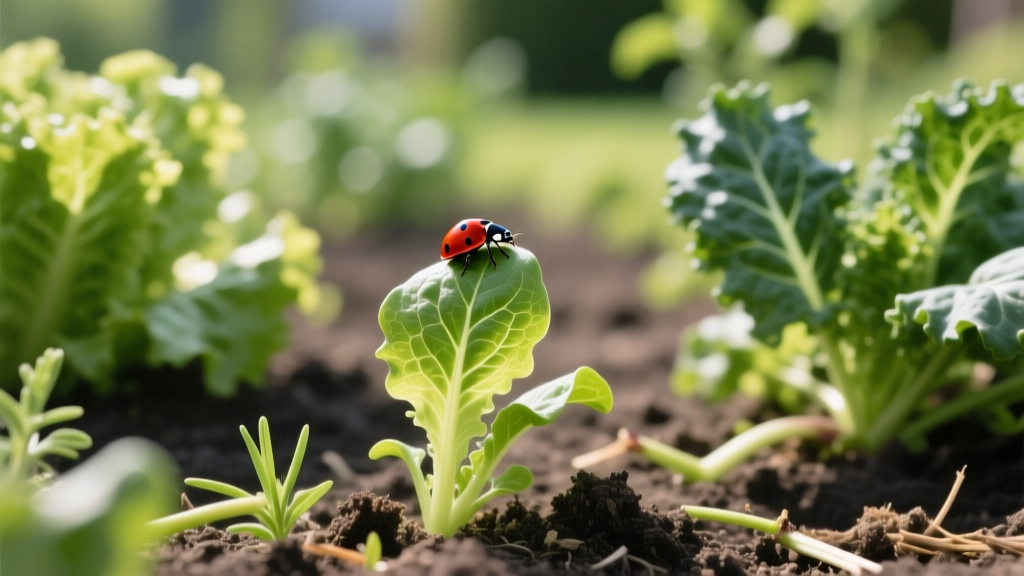
Ladybug Release & Pruning Timing For Aphid Control 2026
Emily WatsonPublished
Introduction to IPM: Syncing Pruning and Beneficial Insects
As we navigate the 2026 gardening season, integrated pest management (IPM) continues to evolve, moving away from broad-spectrum chemicals and toward highly strategic, biologically driven practices. One of the most effective yet frequently misunderstood tactics in organic pest control is the synchronization of pruning methods with the release of beneficial insects. Specifically, timing your pruning cuts to align with ladybug (Hippodamia convergens and Coccinella septempunctata) releases can mean the difference between a resounding success and a costly failure in managing aphid populations in garden beds.
Aphids are notorious for targeting the succulent, nitrogen-rich new growth that emerges immediately after pruning. While releasing ladybugs is a cornerstone of organic aphid control, dropping them into an unmanaged, heavily pruned, or overgrown garden bed often results in the beetles flying away or failing to establish. In this comprehensive 2026 guide, we will explore exactly how to time your pruning methods to create the perfect microclimate and food source for ladybugs, ensuring your garden beds remain vibrant and pest-free.
The Biology of Aphids and Ladybugs in Garden Beds
To understand why timing is everything, we must first look at the biological relationship between aphids, ladybugs, and plant growth cycles. Aphids reproduce parthenogenetically (without mating) during the spring and summer, allowing their populations to explode on the tender new shoots of roses, hibiscus, and vegetable crops. According to the University of California IPM Aphid Guidelines, aphids prefer the phloem sap of newly expanding leaves, which is why they cluster heavily on the terminal buds of recently pruned shrubs.
Ladybugs, on the other hand, are voracious predators. A single adult ladybug can consume up to 50 aphids a day, and their larvae can eat hundreds more during their development. However, ladybugs require a steady, localized food source to remain in your garden bed and lay eggs. If you prune a plant heavily, you may inadvertently remove the aphid colonies that serve as the ladybug's primary food source, prompting the released adults to migrate to neighboring properties in search of sustenance. Conversely, if you allow a plant to become wildly overgrown, the dense canopy creates a humid microclimate that favors aphid-borne fungal diseases and makes it difficult for ladybugs to navigate and forage effectively.
Pruning Methods to Prepare for Ladybug Release
The physical act of pruning must be approached with the ladybug's lifecycle in mind. In 2026, professional IPM practitioners advocate for a two-phase pruning strategy when preparing for beneficial insect releases.
1. Sanitation and Thinning Cuts (Pre-Release)
Before ordering your live ladybugs, perform a thorough sanitation prune. Remove any branches that are heavily encrusted with sooty mold—a black, powdery fungus that grows on the honeydew excreted by aphids. Ladybugs struggle to walk and forage on leaves coated in sooty mold. Additionally, use thinning cuts (removing entire branches back to their point of origin) to open up the center of the shrub. As noted by University of Minnesota Extension pruning experts, thinning cuts improve air circulation and sunlight penetration, which hardens off the remaining foliage and makes it slightly less palatable to aphids while giving ladybugs clear flight paths and hunting grounds.
2. Tipping and Heading Cuts (The Trap Crop Strategy)
Instead of shearing the entire plant, selectively prune a few terminal buds (heading cuts) on the periphery of the garden bed 7 to 10 days before your planned ladybug release. This stimulates a localized flush of new, tender growth. This new growth acts as a 'trap crop,' intentionally drawing the remaining aphid population to specific, easily accessible branches. When you release the ladybugs a week later, they will immediately congregate on these aphid-dense terminal shoots, establishing a feeding and breeding ground right where you want them.
Timing Your Pruning and Ladybug Releases (The 2026 Calendar)
Climate shifts in 2026 have altered traditional spring flushes in many hardiness zones, making it crucial to watch plant phenology rather than relying strictly on calendar dates. Below is a structured timeline for syncing your pruning and releases.
| Season / Phase | Pruning Action | Aphid & Ladybug Management Strategy |
|---|---|---|
| Early Spring (Dormancy Break) | Structural pruning, removal of winter dieback. | Apply dormant horticultural oil. Do not release ladybugs yet; temperatures are too low for foraging. |
| Mid-Spring (First Flush) | Light thinning cuts to open canopy. Selective tipping of 10% of branches. | Scout for early aphid colonies on new tips. Order ladybugs to arrive 7 days after tipping. |
| Late Spring (Peak Bloom) | Deadheading spent blooms. Avoid heavy vegetative pruning. | Release ladybugs in the evening. Hydrate the soil beforehand to encourage beetle settlement. |
| Summer (Maintenance) | Minimal pruning. Only remove severely damaged or mold-covered shoots. | Do NOT prune if ladybug larvae (which look like tiny black and orange alligators) are present on stems. |
| Early Autumn | Light shaping. Stop nitrogen-heavy fertilization that promotes soft growth. | Allow late-season ladybugs to find overwintering sites. Clear heavy leaf litter to prevent fungal issues. |
Step-by-Step Guide: The 'Prune and Release' Protocol
To maximize the return on investment for your live beneficial insects (which typically cost between $15 and $25 per 1,500-count bag in 2026), follow this precise protocol:
- Step 1: Assess and Prune (Day 1): Identify aphid hotspots. Use sterilized bypass pruners to remove the top 2 inches of heavily infested, mold-covered terminals. Dispose of these clippings in a sealed green waste bin, not your open compost pile.
- Step 2: The Waiting Period (Days 2-6): Allow the plant to react to the pruning cuts. The surviving aphids will migrate to the remaining tender growth. This concentrates the prey.
- Step 3: Hydrate the Garden Beds (Day 7 Morning): Ladybugs are highly susceptible to dehydration upon arrival from shipping. Deeply water the garden beds and lightly mist the foliage in the morning. The UC IPM Lady Beetle guidelines emphasize that providing a moisture source is critical for adult retention.
- Step 4: Evening Release (Day 7 Dusk): Release the ladybugs at dusk or just after sunset. Open the bag at the base of the pruned shrubs and gently shake them onto the lower branches. Releasing them in the dark prevents them from immediately taking flight, allowing them to crawl up into the canopy and discover the concentrated aphid colonies by morning.
Common Mistakes to Avoid in 2026
Even experienced gardeners make critical errors when combining mechanical plant care with biological pest control. Avoid these common pitfalls:
Pruning After the Release
This is the most frequent and devastating mistake. About 5 to 8 days after releasing adult ladybugs, they will begin laying clusters of tiny, yellow, spindle-shaped eggs on the undersides of leaves near aphid colonies. If you decide to 'clean up' the garden bed and prune branches during this window, you are literally throwing away the next generation of pest control. Once ladybugs are released, put the pruning shears away for at least three weeks.
Using Systemic Chemicals Post-Pruning
Some gardeners prune a plant, realize the aphid pressure is still high, and panic-apply a systemic neonicotinoid or broad-spectrum insecticidal soap. Not only will this kill the ladybugs you just released, but the pruning cuts also act as open wounds on the plant, potentially increasing the uptake rate of systemic chemicals to phytotoxic levels. Stick to the biological plan; if aphids persist after the initial release, a secondary release of ladybug larvae or green lacewings is the recommended 2026 IPM protocol.
Ignoring the Ant-Aphid Mutualism
Pruning the lower branches of shrubs so they do not touch the ground (skirting) is a vital pruning method often overlooked. Ants will 'farm' aphids, protecting them from ladybugs in exchange for honeydew. By pruning away 'ant bridges' (branches touching the soil or fences) and applying a sticky horticultural glue barrier to the main trunks, you ensure the ladybugs can hunt without being harassed by aggressive ant colonies.
Conclusion
Effective pest control in the modern garden is rarely about a single silver bullet; it is about the orchestration of multiple cultural and biological practices. By viewing your pruning shears not just as a tool for shaping plants, but as an instrument for manipulating pest and predator populations, you unlock the true potential of integrated pest management. Syncing your pruning methods with strategic ladybug releases ensures that your garden beds in 2026 and beyond will be resilient, ecologically balanced, and beautifully free of aphid damage.