Pest Control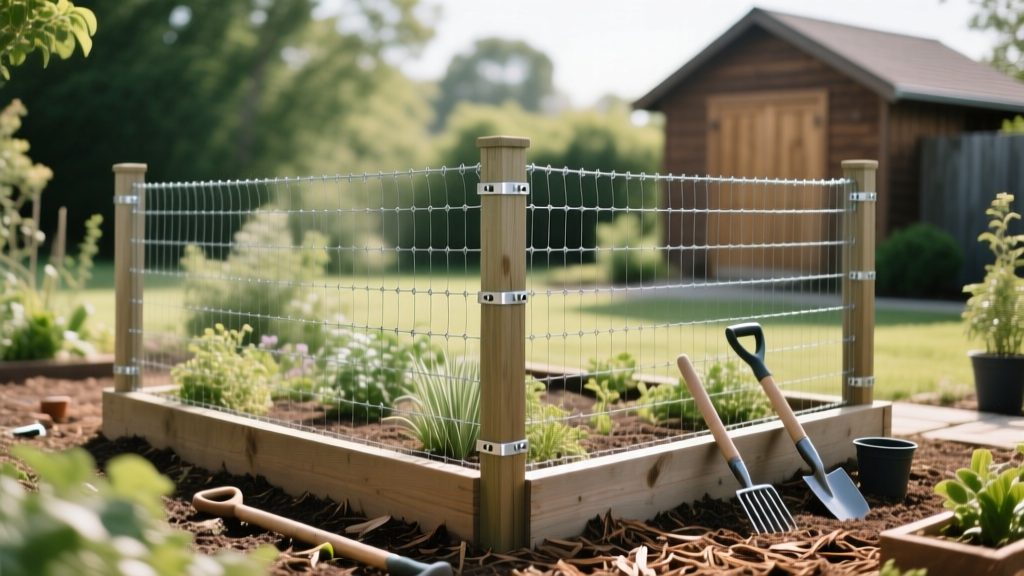
2026 Rabbit Exclusion: 2-Foot Chicken Wire Fence Installation
Anna KowalskiPublished
The Rising Challenge of Rabbit Damage in 2026
As we navigate the 2026 gardening season, homeowners and landscape professionals are facing unprecedented pressure from foraging wildlife. Shifting climate patterns, characterized by longer, milder winters across many USDA hardiness zones, have led to extended breeding seasons for cottontail and jackrabbit populations. This demographic boom means that your carefully cultivated spring vegetables, summer perennials, and delicate ornamental shrubs are at a significantly higher risk of being decimated overnight. While various deterrents exist, physical exclusion remains the undisputed gold standard in Integrated Pest Management (IPM). Specifically, a properly installed 2-foot chicken wire fence is the most cost-effective, humane, and reliable method to protect your landscape from rabbit damage this year.
Why a 2-Foot Chicken Wire Fence is the Gold Standard
Many gardeners mistakenly believe that rabbits are prolific jumpers that require towering barriers. In reality, rabbits are ground-dwelling foragers that prefer to squeeze through gaps or burrow under obstacles rather than leap over them. According to the Internet Center for Wildlife Damage Management, a fence that is 2 feet tall above ground is entirely sufficient to deter rabbits, provided the mesh is small enough and the bottom is secured against digging. The critical factor is not just the height, but the mesh size and the subterranean apron. A 1-inch hexagonal mesh prevents even the smallest juvenile rabbits from squeezing through, while a buried L-footer stops them from tunneling underneath. When installed correctly, this 2-foot barrier creates an impenetrable perimeter that seamlessly integrates into your yard's ecosystem without harming the animals.
Materials and 2026 Cost Breakdown
Thanks to stabilized global steel markets and improved manufacturing processes in 2026, the cost of high-quality exclusion materials has become more accessible for the average homeowner. When selecting chicken wire, always opt for 19-gauge or thicker galvanized steel, or a PVC-coated variant for enhanced longevity and aesthetic blending with your garden. Avoid 20-gauge or thinner wires, as determined rabbits can chew through them, and predators like foxes or coyotes can easily tear them apart.
| Material | Specification | 2026 Estimated Cost |
|---|---|---|
| Galvanized Chicken Wire | 2 ft x 50 ft roll, 19-gauge, 1-inch mesh | $45.00 - $58.00 |
| Vinyl-Coated Chicken Wire | 2 ft x 50 ft roll, 19-gauge, 1-inch mesh (Green/Black) | $65.00 - $82.00 |
| Steel U-Posts | 4-foot tall, heavy-duty (spaced every 5-8 feet) | $6.50 - $9.00 each |
| T-Post Driver | Manual steel post pounder | $22.00 - $35.00 |
| Heavy-Duty Zip Ties / Wire Ties | UV-resistant, 8-inch | $12.00 per pack |
| Landscape Staples / Sod Staples | 6-inch galvanized steel (for securing the apron) | $18.00 per 50-pack |
Step-by-Step Installation Guide
Proper installation is the difference between a fortress and a futile effort. Follow these steps to ensure your 2-foot chicken wire fence performs flawlessly throughout the 2026 season and beyond.
Step 1: Perimeter Mapping and Clearing
Before purchasing materials, map out the exact perimeter of the garden or area you wish to protect. Clear a 6-inch wide strip of soil along this perimeter, removing rocks, roots, and heavy weeds. This cleared path will serve as your trenching line and ensure the fence sits flush against the earth. Measure the total linear footage and add 10% to account for overlaps, corners, and gate installations.
Step 2: Driving the Support Posts
Rabbits will push against the base of the fence to find weak points, so structural integrity is vital. Using your T-post driver, pound 4-foot steel U-posts into the ground at 5-foot to 8-foot intervals. Ensure that at least 12 to 18 inches of the post is driven below the soil surface. This leaves roughly 2.5 feet of post above ground, providing ample support for your 2-foot wire while allowing a few inches of clearance at the top to prevent sharp wire edges from becoming a hazard.
Step 3: Unrolling and Attaching the Wire
Unroll your chicken wire along the inside of the posts. Starting at one corner, use heavy-duty UV-resistant zip ties or specialized wire ties to secure the mesh to the first post. Pull the wire taut as you move down the line, attaching it to each subsequent post. Ensure the wire is tight; sagging wire creates gaps at the soil line that rabbits will exploit. When you reach the end of a roll, overlap the next roll by at least 6 inches and wire them together securely.
Step 4: The Critical L-Footer Trench (Buried Apron)
This is the most crucial step in rabbit exclusion. Because rabbits are natural diggers, a fence that simply sits on top of the soil will be bypassed in minutes. You must create an L-footer. Dig a shallow trench 6 inches deep and 6 inches wide along the outside perimeter of the fence. Bend the bottom 12 inches of your chicken wire outward at a 90-degree angle, laying it flat into the trench so it points away from the garden. Bury this horizontal apron with soil and pack it down tightly. Secure it every 12 inches using 6-inch galvanized landscape staples. When a rabbit approaches the fence and attempts to dig at the base, they will hit the buried wire mesh and give up. The Humane Society of the United States heavily advocates for this buried apron method as a primary humane exclusion technique.
Step 5: Securing Gates and Corners
Gates are the most common failure points in any exclusion fence. Frame your gate using pressure-treated lumber or heavy-duty steel tubing, ensuring the gap between the gate and the ground is less than one inch. Wrap the gate frame in the same 1-inch mesh chicken wire and use heavy-duty hinges and a secure latch. For corners, never stretch the wire tightly around a sharp 90-degree bend, as this will warp the mesh and create gaps. Instead, use a corner post and overlap two separate pieces of wire, securing them together with wire ties.
Integrating Fencing with Broader Wildlife Management
While a 2-foot chicken wire fence is highly effective on its own, true Integrated Pest Management (IPM) involves looking at the entire yard ecosystem. Data from USDA APHIS Wildlife Services highlights that habitat modification is a critical companion to physical exclusion. Rabbits are drawn to yards that offer both food and shelter. To reduce the overall carrying capacity of your property for rabbits in 2026, implement the following habitat modifications:
- Remove Brush Piles: Clear away accumulated leaves, fallen branches, and dense brush piles near your garden, as these serve as ideal nesting and hiding spots.
- Manage Ground Cover: Keep grass mowed and trim back low-hanging shrub branches to eliminate the protective canopy rabbits rely on to move safely through your yard.
- Seal Under-Structure Gaps: Block off access to the spaces beneath sheds, decks, and porches using heavy-gauge hardware cloth to prevent rabbits from establishing warrens near your garden.
Maintenance and Long-Term Upkeep
Even the best-installed fence requires seasonal maintenance. In early spring, before the primary planting season begins, walk the entire perimeter of your 2-foot chicken wire fence. Check for soil erosion that may have exposed the buried L-footer apron, and backfill any depressions with fresh topsoil. Inspect the wire for rust, chewing damage from larger rodents, or loose zip ties. If you live in an area with heavy snowfall, ensure that winter snowdrifts do not create ramps that allow rabbits to simply walk over the top of your 2-foot barrier; you may need to gently shovel snow away from the fence line during peak winter months.
Conclusion
Protecting your landscape from rabbit damage in 2026 does not require expensive, high-tech solutions or harmful chemical repellents. By investing in quality 19-gauge, 1-inch hexagonal chicken wire and dedicating a weekend to properly installing a 2-foot fence with a buried L-footer, you can achieve near-total exclusion. This approach not only safeguards your horticultural investments but also aligns with modern, humane wildlife management practices, ensuring your garden remains a thriving sanctuary for plants and people alike.