Pest Control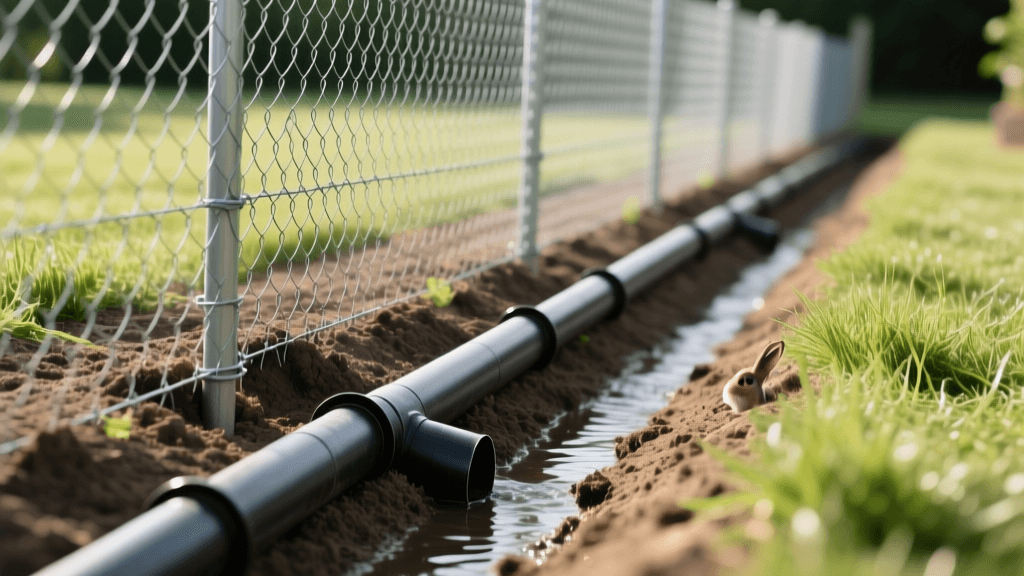
2026 Rabbit Exclusion: 2-Foot Chicken Wire & Drainage Pipe Tips
The Hidden Intersection: Landscape Drainage Pipes and Rabbit Habitats
As a landscape drainage specialist and integrated pest management (IPM) consultant, I see a recurring problem in residential gardens that most homeowners completely overlook. In 2026, with shifting weather patterns bringing heavier spring downpours and saturated soils, more homeowners are installing French drains, dry wells, and corrugated landscape drainage pipes The wire must be buried or flared to prevent rabbits from digging underneath. However, when your fence line crosses a drainage trench, burying the wire becomes a major problem. If you dig down six inches to bury the wire, you risk slicing right through your shallow 4-inch corrugated landscape drainage pipe. Furthermore, the loose, gravel-filled soil of a French drain trench is impossible to pack tightly enough to stop a determined cottontail from digging under the barrier.
The solution is the outward L-flare method combined with landscape fabric staples. Instead of burying the wire vertically, bend the bottom six inches of the chicken wire at a 90-degree angle pointing away from the garden. When the fence crosses your landscape drainage pipe trench, lay this L-flare flat against the ground, directly over the buried pipe and gravel. Secure it every four inches using heavy-duty, 6-inch galvanized landscape fabric staples driven directly into the soil and gravel. Finally, cover the flared wire with an inch of topsoil or mulch. This creates an impenetrable floor that rabbits cannot dig through, while entirely protecting the structural integrity of your subterranean drainage pipes.
Protecting Pop-Up Emitters and Drainage Outlets
Pop-up drainage emitters are the weakest link in any perimeter fence. These plastic caps sit at ground level, releasing water from your landscape drainage pipe during heavy rains. Because the soil around emitters is constantly washed and shifted by water flow, it creates soft, inviting pockets for rabbit burrows. Furthermore, rabbits have been known to chew on the plastic flaps or squeeze past the loose-fitting emitter caps to access the hollow interior of the drainage pipe itself, using it as a sheltered runway.
To secure these areas in 2026, build a localized 'exclusion cage' around every pop-up emitter. Cut a 2-foot by 2-foot square of 1-inch chicken wire. Fold the edges down to create a shallow, open-bottomed box that fits snugly over the emitter. Secure the edges to the ground with landscape staples, ensuring the wire sits at least two inches away from the plastic cap so it does not impede the flap from opening during water discharge. This allows water to flow freely out of the landscape drainage pipe while denying rabbits access to the soft soil and the pipe interior.
2026 Material Cost and Specification Chart
When planning your project, it is vital to select materials that can withstand the high-moisture environment of a drainage field. Below is the 2026 pricing and specification chart for integrating rabbit exclusion with landscape drainage infrastructure.
| Material | 2026 Est. Cost | Purpose | Drainage Compatibility |
|---|---|---|---|
| 20-Gauge 1' PVC-Coated Wire | $1.25 / linear ft | Primary exclusion barrier | Excellent (resists trench moisture) |
| 3' Rigid PVC Pipe (cut to 18') | $3.10 / sleeve | Post sleeves for frost/water protection | Excellent (impervious to rot) |
| 18' Galvanized Steel T-Posts | $7.50 / each | Structural support inside sleeves | Poor if exposed (rusts in wet trenches) |
| 6' Galvanized Landscape Staples | $18.00 / 50-pack | Securing L-flare over gravel trenches | High (holds wire firmly in loose backfill) |
| Corrugated Drain Pipe (4') | $0.95 / linear ft | Primary water routing (do not puncture) | N/A (This is the protected asset) |
Long-Term IPM and Drainage Maintenance
Physical exclusion is the cornerstone of EPA Integrated Pest Management Principles. While chemical repellents and ultrasonic deterrents are heavily marketed, they frequently fail in drainage-heavy yards because heavy rains wash away scent-based repellents, and the ambient noise of rushing water in drainage pipes masks ultrasonic frequencies.
To maintain your 2-foot chicken wire fence and drainage system, schedule a bi-annual inspection in early spring and late autumn. Clear any leaf litter or sediment that has built up against the chicken wire, as debris can trap moisture and accelerate the degradation of the PVC coating. Check the landscape staples over your drainage trenches; frost heave and water erosion can sometimes push staples upward, creating a gap between the wire flare and the gravel. Simply tap them back down with a mallet. Finally, ensure that your pop-up emitter cages are free of mud and grass clippings so your landscape drainage pipes can continue to move water away from your foundation while keeping Eastern Cottontails firmly on the outside of your garden perimeter.