Pest Control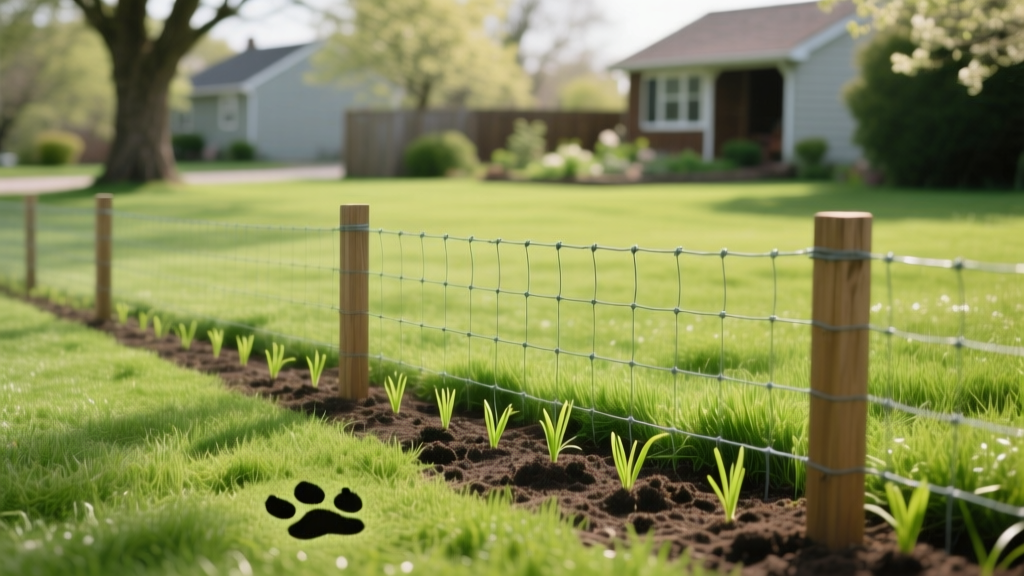
Rabbit Exclusion: 2-Foot Chicken Wire Fence For Seeded Lawns 2026
Lisa ThompsonPublished
The Hidden Threat to Your Aeration and Seeding Investment
When you invest time and money into core aeration and overseeding your lawn, you are setting the stage for a thick, vibrant, and healthy turf. However, the very processes that promote grass growth also create an irresistible beacon for local wildlife. In the 2026 lawn care season, integrated pest management (IPM) professionals are seeing a significant rise in rabbit damage to newly seeded lawns. While chemical repellents are often discouraged during the delicate germination phase, physical exclusion remains the gold standard. Installing a temporary or permanent 2-foot chicken wire fence is the most effective, eco-friendly way to protect your aeration and seeding investment from being destroyed by foraging rabbits.
Why Rabbits Target Freshly Aerated and Seeded Lawns
To understand why exclusion is necessary, you must understand rabbit behavior. Core aeration involves pulling thousands of small soil plugs from your lawn, leaving behind loose, aerated dirt and soft holes. According to wildlife experts at Penn State Extension, rabbits are natural diggers that seek out soft, freshly turned soil to create shallow nesting depressions or to forage for grubs and roots. Your newly aerated lawn is essentially a pre-tilled garden bed from their perspective.
Furthermore, the new grass seedlings that emerge 7 to 21 days after overseeding are incredibly tender, moist, and packed with nutrients. Unlike mature grass blades that contain tough silica and fibrous cellulose, new seedlings are a high-value food source for cottontail rabbits. A small colony can graze a newly seeded lawn down to the soil line in a single night, entirely undoing weeks of careful watering and soil preparation.
The 2-Foot Chicken Wire Exclusion Strategy
While rabbits are not known for scaling tall fences like deer, they are adept at squeezing through small gaps and digging beneath barriers. A 2-foot (24-inch) chicken wire fence is the universally recommended height for rabbit exclusion. Rabbits typically only jump about two feet high when startled, and a 2-foot barrier is sufficient to deter them from hopping over during normal foraging activities.
Material Specifications for 2026
Not all chicken wire is created equal. When purchasing materials for your seeded lawn perimeter, look for the following specifications:
- Mesh Size: Strictly 1-inch hexagonal mesh. Standard 2-inch poultry netting will allow small juvenile cottontails to pass right through.
- Gauge: 20-gauge or thicker (lower number means thicker wire). Thicker wire prevents rabbits from chewing through or bending the bottom edge.
- Coating: Galvanized steel is the most cost-effective and durable option. In 2026, PVC-coated galvanized wire is also popular for blending into garden landscapes, though it costs roughly 30% more.
Step-by-Step Installation Guide
Proper installation is the difference between a successful seed germination and a ruined lawn. Follow these steps to install your exclusion fence.
Step 1: Perimeter Measurement and Trenching
Measure the perimeter of the seeded area or the entire lawn. You will need metal U-posts (T-posts) spaced every 4 to 6 feet. Before driving the posts, use a flat spade or a manual trenching tool to dig a shallow trench along the perimeter. This trench should be 4 inches deep and 12 inches wide, extending outward away from the lawn. This will be used for the critical 'L-footer' burial method.
Step 2: Unrolling and Securing the Wire
Unroll your 2-foot chicken wire and lay it flat in the sun for a few hours to remove the memory and curls from the manufacturing spool. Attach the wire to the metal U-posts using heavy-duty galvanized fence staples or zip ties. Ensure the bottom edge of the wire rests firmly inside the trench you dug, while the top edge stands exactly 20 to 24 inches above the soil line.
Step 3: The Critical 'L-Footer' Burial Method
Rabbits will instinctively dig at the base of a fence when they smell the tender grass on the other side. To prevent this, you must create an 'L-footer'. Take the bottom 12 inches of the chicken wire and bend it outward at a 90-degree angle so it lays flat in the trench, pointing away from the lawn. Cover this horizontal wire apron with the soil you removed from the trench, and pack it down tightly. When a rabbit digs at the base of the fence, they will immediately hit the buried wire apron and give up. The Humane Society of the United States highly recommends this buried apron technique as the most humane and effective long-term exclusion method.
Fencing Material Comparison Chart
Choosing the right barrier depends on your budget, the size of your lawn, and how long you plan to leave the fence up. Below is a comparison of common exclusion materials used during the aeration and seeding process.
| Material Type | Mesh Size | Avg. Cost per Linear Ft (2026) | Durability | Best Use Case |
|---|---|---|---|---|
| Galvanized Chicken Wire | 1-inch | $1.25 - $1.75 | 5-7 Years | Standard lawn perimeter protection |
| PVC-Coated Chicken Wire | 1-inch | $2.00 - $2.80 | 10+ Years | Visible garden borders, high aesthetics |
| Hardware Cloth (Welded) | 1/2-inch | $3.50 - $4.50 | 15+ Years | Permanent exclusion, heavy rodent pressure |
| Plastic Deer/Small Animal Netting | Variable | $0.50 - $0.90 | 1-2 Seasons | Temporary protection for small seed patches |
Integrating Exclusion with Your Seeding Timeline
Timing your fence installation is just as important as the aeration and seeding process itself. You should install the 2-foot chicken wire fence immediately after spreading your seed and applying your starter fertilizer. Do not wait for the grass to sprout; the smell of the disturbed soil and the presence of the seed itself is enough to attract rabbits.
Leave the fence in place for a minimum of 8 weeks. The first 3 weeks cover the critical germination window for most cool-season and warm-season grasses. The subsequent 5 weeks allow the new root systems to anchor deeply into the aeration holes and the soil profile. Once the grass has been mowed at least three times and the blades have matured and toughened, the lawn becomes naturally less palatable to rabbits, and temporary fencing can be carefully removed and stored for future use.
Long-Term IPM and Lawn Health
Physical exclusion via a 2-foot chicken wire fence aligns perfectly with modern Integrated Pest Management (IPM) principles. By avoiding chemical repellents, you ensure that your newly seeded lawn is not exposed to potentially phytotoxic oils or salts that can burn tender seedlings. Furthermore, you protect local pollinators and beneficial soil organisms that are vital for breaking down thatch and improving the soil structure you just enhanced through aeration.
If you notice rabbits attempting to breach the fence, inspect the perimeter weekly. Look for areas where heavy rain may have washed out the soil covering the L-footer apron, and replenish the dirt as needed. Combine your physical barrier with habitat modification by clearing away thick brush piles, tall weeds, and debris near the fence line to remove the cover that rabbits rely on to feel safe while foraging.
Conclusion
Aeration and overseeding are transformative practices for a tired, compacted lawn, but they temporarily turn your yard into a wildlife magnet. By proactively installing a 2-foot chicken wire fence with a buried L-footer apron, you guarantee that your grass seed reaches full maturity without interference. This physical exclusion strategy is cost-effective, highly reliable, and ensures that the time and money you invested in your 2026 lawn renovation yields the lush, weed-free turf you deserve.