Pest Control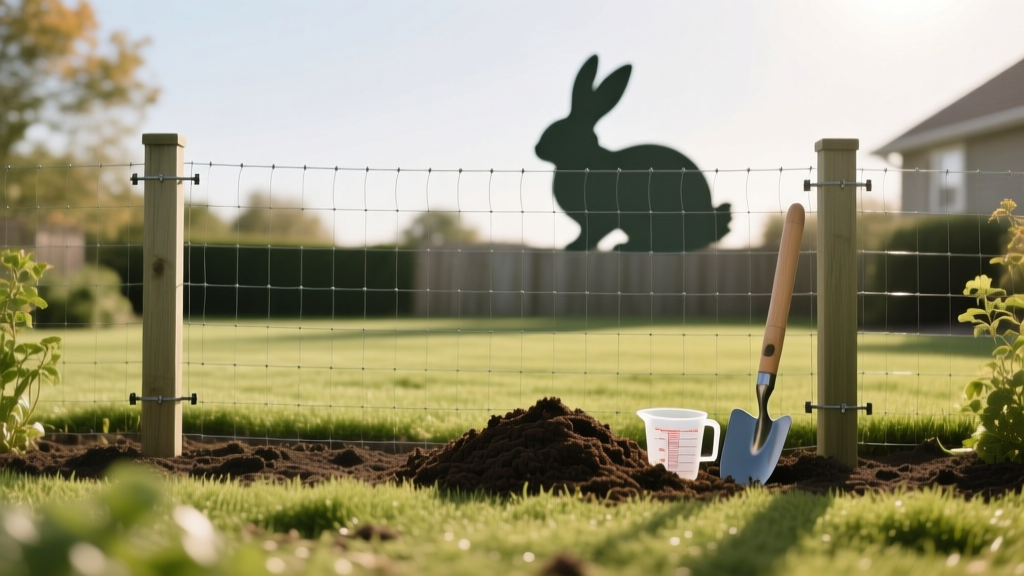
2026 Rabbit Exclusion: 2-Foot Chicken Wire Fencing & Fertilizer Tips
Emily WatsonPublished
The Fertilizer Paradox: Why Lush Lawns Attract Rabbits
As we navigate the 2026 growing season, homeowners are investing heavily in premium soil amendments, advanced turf formulas, and organic garden care routines. However, there is a hidden paradox in modern landscape management: the very fertilizers you use to cultivate a lush, vibrant yard are the same catalysts that turn your property into an irresistible buffet for local cottontail rabbits. According to wildlife management experts at Penn State Extension, rabbits are opportunistic foragers that specifically target plants with high nitrogen content and rapid, succulent cell growth.
When you apply a high-nitrogen fertilizer, you trigger a flush of tender new shoots. To a rabbit, this is the equivalent of a gourmet salad bar. If you are committed to a rigorous fertilizer schedule to maintain a pristine lawn or a high-yield vegetable garden, physical exclusion is not just an option—it is a necessity. In 2026, the gold standard for Integrated Pest Management (IPM) regarding lagomorphs is pairing strategic fertilizer timing with a properly installed 2-foot chicken wire fence. This guide will break down how to schedule your soil amendments to minimize rabbit attraction, and exactly how to build a fence that protects your investment.
Understanding Fertilizer Types and Rabbit Foraging Risk
Not all fertilizers are created equal when it comes to wildlife attraction. The rate at which nitrogen is released into the soil dictates the speed and texture of plant growth. Quick-release fertilizers cause an immediate, massive flush of soft, water-heavy tissue that rabbits find incredibly palatable. Conversely, slow-release and organic options provide a steady, moderate growth pattern that is slightly less enticing to opportunistic foragers.
Below is a 2026 comparison chart detailing common lawn and garden fertilizer types, their release profiles, and their relative risk of attracting rabbits.
| Fertilizer Type | Nitrogen Release Rate | Rabbit Attraction Risk | Best Application Timing |
|---|---|---|---|
| Quick-Release Synthetic (e.g., Urea) | Rapid (1-2 weeks) | High (Succulent flush) | Late Fall (Post-breeding) |
| Slow-Release Polymer-Coated | Gradual (8-12 weeks) | Moderate | Early Spring / Early Fall |
| Organic Compost / Manure | Very Slow (Months) | Low to Moderate | Anytime (Soil temp dependent) |
| Biosolids (e.g., Milorganite) | Slow (8-10 weeks) | Low (Odor deters) | Spring / Summer |
Strategic Fertilizer Scheduling for Pest Deterrence
To minimize rabbit damage, your 2026 fertilizer schedule must align with local rabbit breeding and foraging cycles. Rabbits breed heavily from late winter through early autumn. Applying quick-release synthetic fertilizers in mid-spring guarantees a massive flush of tender grass and garden greens exactly when rabbit populations are exploding and natural forage is still scarce.
Instead, shift your heavy nitrogen applications to the late fall. By applying your primary lawn fertilizer after the first hard frost, you encourage deep root growth for the following spring without producing the tender top-growth that attracts winter-foraging rabbits. For spring and summer garden beds, utilize biosolid-based fertilizers or polymer-coated slow-release granules. The natural odor of biosolids acts as a mild olfactory deterrent, while the slow release prevents the sudden vegetative flushes that draw rabbits in from surrounding fields.
The 2-Foot Chicken Wire Exclusion System
While adjusting your fertilizer schedule reduces the palatability of your plants, it will not stop a hungry rabbit from sampling them. Physical exclusion remains the most reliable IPM strategy. According to the Internet Center for Wildlife Damage Management, a well-constructed chicken wire fence is the most cost-effective and reliable method for protecting gardens and landscaped beds from rabbit damage.
Why exactly 2 feet? Cottontail rabbits are not high jumpers. They typically feed close to the ground and rarely leap higher than 24 inches unless they are being actively chased by a predator. However, they are prolific diggers. A fence that simply sits on top of the soil is useless; the installation must account for subterranean bypasses.
Materials Needed for 2026 Installation
- Wire Mesh: 2-foot high, 1-inch mesh chicken wire. In 2026, PVC-coated galvanized wire (usually green or black) is highly recommended. It resists rust from acidic soils and irrigation, and blends seamlessly into garden aesthetics.
- Posts: Wooden stakes or metal T-posts, spaced every 4 to 6 feet.
- Fasteners: Heavy-duty galvanized U-pins (landscape staples) and zip ties or galvanized fence staples.
- Trenching Tool: A flat spade or manual trenching edger.
Step-by-Step Installation Guide
Step 1: Perimeter Measurement and Clearing
Measure the perimeter of the fertilized zone you wish to protect. Clear a 6-inch buffer zone on the outside of the planned fence line. This prevents tall weeds from growing against the wire, which rabbits can use as a visual shield or a physical ramp to climb over.
Step 2: Post Placement
Drive your wooden stakes or T-posts into the ground every 4 to 6 feet. Ensure they are sunk at least 12 inches deep to provide structural rigidity against wind and animal pressure. The posts should stand exactly 2 feet above the soil grade.
Step 3: Unrolling and Attaching the Wire
Unroll the 2-foot chicken wire along the outside of the posts. Pull the wire taut to prevent sagging. Secure the wire to the wooden posts using galvanized fence staples, or use heavy-duty zip ties for metal T-posts. Ensure the bottom edge of the wire rests firmly against the soil.
Step 4: The L-Footer Trench (Crucial Step)
To prevent rabbits from digging under your barrier, you must create an L-footer. Dig a shallow trench 6 inches deep and 6 inches wide along the outside base of the fence. Bend the bottom 6 inches of the chicken wire outward at a 90-degree angle (forming an 'L' shape) and lay it flat in the trench, pointing away from the garden. When a rabbit tries to dig at the base of the fence, they will hit the wire mesh and stop. Cover the horizontal wire with soil and pack it down tightly.
Step 5: Securing the Bottom Edge
Even with the L-footer, use galvanized U-pins every 2 feet along the inside base of the vertical wire to pin it flush against the ground. This prevents rabbits from pushing their noses under the wire and lifting it.
Integrating Fence Maintenance with Fertilizer Schedules
Your pest control strategy does not end once the fence is built and the fertilizer is applied. The synergy between soil management and physical barriers requires seasonal maintenance. When you apply your late-fall fertilizer, take the time to inspect the perimeter of your chicken wire fence. Look for signs of soil erosion that may have exposed gaps beneath the wire, or rust spots on older, non-PVC-coated meshes.
Furthermore, ensure that your fertilization practices do not inadvertently create bridges over your fence. If you heavily fertilize vining plants or ornamental grasses near the fence line, their lush, overhanging foliage can provide rabbits with a ramp to bypass the 2-foot barrier. Prune back any fertilized growth that touches or leans over the chicken wire.
Conclusion
Managing rabbits in a heavily fertilized landscape requires a dual-pronged approach. By understanding how nitrogen release rates influence plant palatability, you can time your 2026 fertilizer applications to avoid triggering massive, rabbit-attracting growth flushes during peak breeding seasons. When combined with a properly trenched, 2-foot PVC-coated chicken wire fence, you create an impenetrable Integrated Pest Management system. Your lawn and garden will retain the lush, vibrant health that premium fertilizers provide, while your physical barriers ensure that the only ones enjoying the fruits of your labor are you and your family. For more regional data on wildlife behavior and turf management, consult resources from USDA APHIS Wildlife Services and your local university extension office.