Lawn Care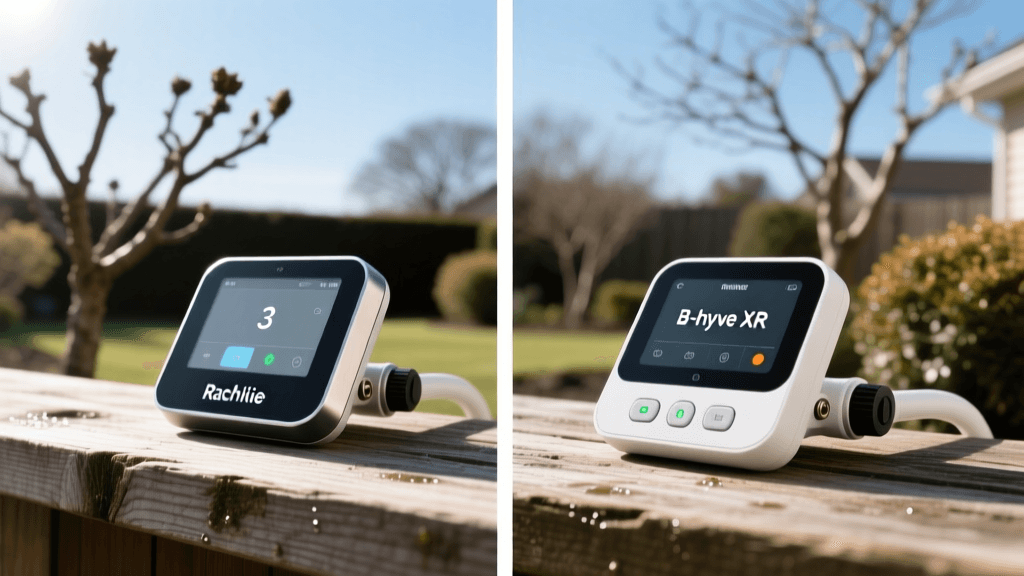
Rachio 3 vs B-hyve XR: 2026 Irrigation Timing After Pruning
The Intersection of Pruning Methods and Smart Irrigation in 2026
As we navigate the 2026 landscaping season, the integration of advanced horticulture techniques with smart home technology has never been more critical. One of the most overlooked aspects of landscape maintenance is the relationship between pruning methods and irrigation timing. When you prune trees and shrubs, you fundamentally alter their biological water requirements. Yet, many homeowners forget to adjust their smart irrigation controllers to match these changes. Today, we are comparing two of the most popular smart irrigation controllers on the market—the Rachio 3 and the Orbit B-hyve XR—to determine which system better handles the nuanced watering needs of a freshly pruned landscape.
How Pruning Timing Alters Landscape Water Requirements
Before diving into hardware, it is essential to understand the science of pruning and transpiration. According to the Arbor Day Foundation, pruning is not just about shaping a plant; it dictates how the plant interacts with its environment. When you perform heavy thinning cuts or rejuvenation pruning on overgrown shrubs, you drastically reduce the plant's leaf surface area. Less foliage means significantly lower rates of transpiration—the process by which plants draw water from the soil and release it into the atmosphere.
If your irrigation controller continues to deliver the same volume of water to a heavily pruned shrub as it did when the shrub was fully leafed out, the soil will become waterlogged. This leads to root rot, fungal diseases, and ultimately plant death. Conversely, if you perform light summer pruning to shape a hedge, the plant may experience stress and require careful, deep watering to recover. The timing of your pruning (dormant winter pruning vs. active summer pruning) combined with your irrigation schedule dictates the health of your landscape. This is where the Rachio 3 and B-hyve XR step in, utilizing weather intelligence to adapt to these micro-climatic shifts.
Rachio 3 vs B-hyve XR: Zone Configuration for Trees and Shrubs
Both the Rachio 3 and the Orbit B-hyve XR offer robust zone management, but they approach landscape customization differently. In 2026, the Rachio 3 (priced around $229) remains the gold standard for user-friendly interface and advanced Evapotranspiration (ET) algorithms. It allows you to set specific zone types, such as "Trees" or "Shrubs," and customize the root depth, soil type, and shade levels. After a major dormant pruning session in late winter, you can manually adjust the "Allowed Depletion" and "Root Depth" settings in the Rachio app to reflect the reduced water uptake of the pruned plants.
On the other hand, the B-hyve XR (priced around $199) offers a more modular hardware approach. Its expandable zone capabilities make it ideal for large estates with complex drip irrigation networks. Drip irrigation is the preferred method for watering trees and shrubs, as it delivers moisture directly to the root zone, minimizing evaporation. The B-hyve XR's integration with Orbit's WeatherSense technology provides localized weather adjustments. However, its app interface requires a bit more manual input to dial in the exact soil moisture retention rates needed after severe pruning compared to Rachio's automated seasonal shifts.
Feature Comparison: Rachio 3 vs B-hyve XR (2026 Editions)
| Feature | Rachio 3 (2026) | Orbit B-hyve XR (2026) |
|---|---|---|
| Base Price | $229.99 | $199.99 |
| Weather Intelligence | Weather Intelligence Plus (Satellite & Local) | WeatherSense (Local Station Data) |
| Smart Home Protocol | Matter, HomeKit, Alexa, Google | Matter, Alexa, Google (No Native HomeKit) |
| Zone Customization | Advanced (Root depth, soil, slope, shade) | Intermediate (Soil type, sun exposure, slope) |
| Post-Pruning Adjustment | Automated via Seasonal Shift & ET data | Manual zone runtime adjustment required |
| Drip Zone Optimization | Excellent (Flow rate & precipitation rate inputs) | Good (Basic runtime and interval settings) |
Weather Intelligence: Adapting to Canopy Changes
One of the most significant advantages of smart controllers recognized by the EPA WaterSense program is their ability to skip watering based on environmental conditions. But how do they handle the sudden exposure of soil to direct sunlight after a canopy is pruned?
When you remove the lower branches of a tree or thin out a dense privacy hedge, the soil beneath it is suddenly exposed to UV radiation and wind. This increases the evaporation rate of the topsoil, even if the plant's overall transpiration rate has dropped. The Rachio 3 excels here. Its Weather Intelligence Plus uses hyper-local satellite data to monitor soil moisture evaporation rates. If you update the zone's "Shade" setting from "Full Shade" to "Partial Sun" in the app after pruning, the Rachio 3 instantly recalculates the watering schedule, utilizing shorter, more frequent cycles to keep the newly exposed topsoil from cracking without drowning the deeper roots.
The B-hyve XR relies heavily on local weather station data for temperature, wind, and rain. While highly accurate for general lawn care, it lacks the granular, zone-by-zone microclimate adaptation that Rachio offers. If you prune a shaded garden bed into a sunny one, the B-hyve XR will not automatically know to adjust the evaporation compensation unless you manually tweak the zone's sun exposure settings and runtimes.
Step-by-Step: Reconfiguring Your Controller Post-Pruning
To ensure your landscape thrives in 2026, follow these actionable steps after completing your seasonal pruning:
- Assess the Pruning Severity: Determine if you performed structural pruning (removing large limbs), thinning (removing select branches for airflow), or rejuvenation (cutting the entire shrub to the ground). Rejuvenation requires the most drastic irrigation reduction.
- Update Zone Properties: Open your Rachio or B-hyve app. For heavily pruned zones, reduce the "Crop Coefficient" or "Plant Water Requirement" setting by 15% to 30%. This tells the algorithm that the plant is currently using less water.
- Adjust Root Depth Settings: If you pruned the roots during transplanting or performed severe top-pruning, temporarily reduce the root depth setting in the app. This forces the controller to water more frequently but for shorter durations, encouraging new root and shoot growth.
- Monitor Drip Emitters: Check your drip lines. Pruning often shifts the plant's active root zone. Ensure emitters are still positioned at the drip line (the outer edge of the remaining canopy) and not dumping water directly against the trunk, which can cause collar rot.
- Enable Smart Cycles: Both controllers offer cycle-and-soak features. Enable this for clay soils to prevent runoff, especially in areas where pruning has removed the groundcover that previously slowed water flow.
Final Verdict for Landscape Maintenance
When evaluating the Rachio 3 versus the B-hyve XR strictly through the lens of pruning methods and irrigation timing, the Rachio 3 emerges as the superior choice for horticulture enthusiasts. Its granular control over root depth, shade levels, and advanced Evapotranspiration algorithms makes it incredibly responsive to the biological changes a plant undergoes after pruning. The B-hyve XR remains a fantastic, budget-friendly workhorse for general lawn irrigation and basic shrub watering, but it requires a more hands-on approach to adjust for the nuanced microclimate shifts caused by strategic pruning. Whichever controller you choose in 2026, remember that your irrigation schedule must evolve alongside your pruning shears to maintain a resilient, thriving landscape.