Lawn Care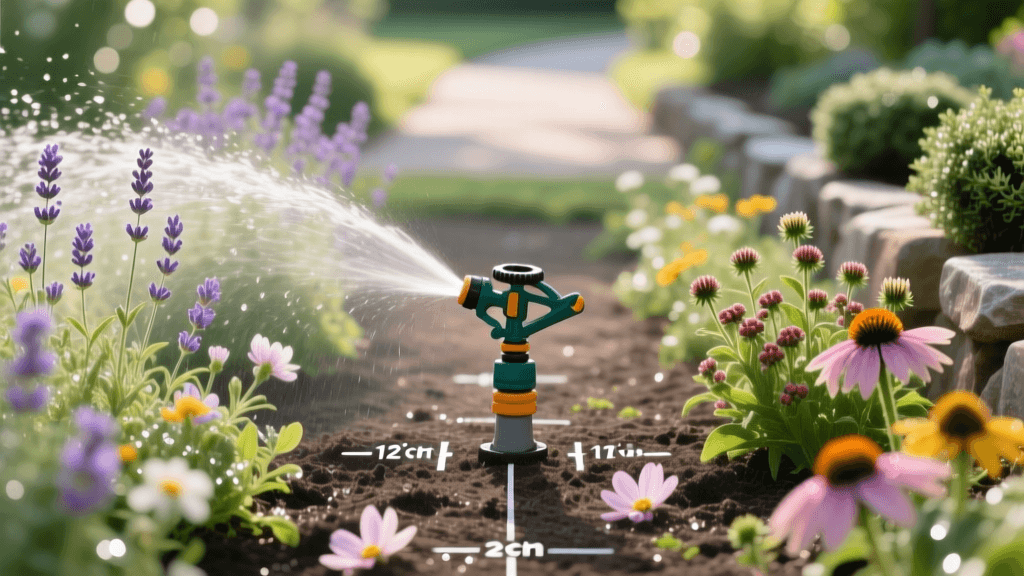
Adjusting Rain Bird Rotary Sprinklers for Pollinator Gardens 2026
The Shift to Pollinator-Friendly Landscaping in 2026
As we move deeper into the 2026 gardening season, the transition from traditional monoculture turfgrass to vibrant, biodiverse pollinator gardens has become a cornerstone of modern landscape design. Homeowners and landscape professionals alike are recognizing the ecological importance of supporting native bees, butterflies, and essential foraging insects. However, a frequently overlooked component of this transition is the irrigation system. Standard pop-up spray heads, designed for shallow-rooted turf, can be highly detrimental to a delicate pollinator habitat. The high-velocity water droplets can knock over tall native stems, wash away vital pollen, and deter foraging insects. To cultivate a thriving ecosystem, adjusting your irrigation to utilize gentle, low-precipitation-rate rotary sprinklers is essential. This guide focuses specifically on Rain Bird rotary sprinkler head adjustment and spacing tailored exclusively for the unique needs of a pollinator-friendly garden.
Why Pollinator Gardens Require Specialized Irrigation
Native pollinator plants such as milkweed, coneflowers, bee balm, and goldenrod have vastly different water requirements compared to Kentucky bluegrass or fescue. While turfgrass requires frequent, shallow watering, native perennials develop deep taproots that thrive on infrequent, deep soakings. According to The Xerces Society for Invertebrate Conservation, maintaining the structural integrity of native blooms is critical, as flattened flowers cannot effectively attract or support pollinators. Standard fixed-spray nozzles deliver water at a rate of 1.5 to 2.0 inches per hour, leading to rapid runoff and soil compaction. In contrast, rotary nozzles apply water at a gentle 0.4 to 0.6 inches per hour. This slow application mimics natural rainfall, allowing moisture to penetrate deeply into the soil profile without damaging delicate petals or displacing the loose, organic-rich topsoil that ground-nesting bees rely on for habitat.
Selecting the Right Rain Bird Rotary Models for Native Beds
For the 2026 landscape, two primary Rain Bird products stand out for pollinator garden applications:
- Rain Bird R-VAN Adjustable Rotary Nozzles: These are ideal for retrofitting existing spray bodies in smaller to medium-sized pollinator beds. They provide a thick, wind-resistant stream that resists evaporation and misting.
- Rain Bird 5000 Plus Series Rotors: Best suited for the perimeters of large pollinator meadows or expansive prairie-style gardens, offering a wider radius and robust seal to keep out organic debris.
Upgrading to the Rain Bird R-VAN Adjustable Rotary Nozzles is one of the most cost-effective ways to instantly adapt your current irrigation zones to the slower precipitation rates required by drought-tolerant native plants.
Step-by-Step Rain Bird Rotary Sprinkler Adjustment
Proper calibration is the difference between a flourishing pollinator haven and a waterlogged, fungus-prone garden bed. Follow these precise adjustment steps for the 2026 models.
1. Adjusting the R-VAN Radius and Arc
The R-VAN nozzle allows for tool-free adjustments, which is incredibly convenient when working around dense, thorny native shrubs like wild roses or raspberries.
- Radius Reduction: Locate the radius screw on the top of the nozzle. Using a flathead screwdriver, turn the screw clockwise to reduce the throw distance. For pollinator beds bordering walkways, reduce the radius by up to 25% to prevent overspray onto hardscapes while ensuring the inner plants still receive adequate coverage.
- Arc Adjustment: To adjust the left edge, rotate the top of the nozzle to your desired starting point. To set the right edge, rotate the nozzle to the right until it stops at your desired arc width (adjustable from 45 to 270 degrees). This precision ensures you are not watering non-pollinator zones like gravel paths or compost bins.
2. Calibrating the 5000 Plus Rotor for Perimeter Watering
For larger zones utilizing the 5000 Plus rotor, adjusting the arc and radius requires a slightly different approach.
- Setting the Arc: Pull the center turret up and rotate it to the desired left start point. Release the turret, then rotate it to the right to set the arc. The mechanical collar will click into place, memorizing the pattern.
- Adjusting the Radius: Insert the provided Rain Bird tool into the radius reduction screw on the top of the turret. Turn clockwise to decrease the throw. For pollinator gardens, it is often beneficial to reduce the radius by 10-15% to create a gentler overlap, ensuring that tall plants like Joe-Pye weed do not block water from reaching shorter, shade-tolerant groundcovers like wild ginger.
- Pressure Regulation: Pollinator gardens benefit from lower operating pressures to minimize misting. If your system operates above 55 PSI, install a Rain Bird HFS or SAM-PRS pressure-regulating stem to ensure the rotary streams remain cohesive and heavy, dropping gently onto the soil rather than evaporating into the air.
Optimal Spacing for Deep-Rooted Pollinator Plants
Spacing in a pollinator garden differs significantly from turfgrass. Turf requires head-to-head coverage with minimal variance. Pollinator gardens, however, feature diverse plant heights and varying water needs. Spacing must account for the mature canopy of native plants to avoid creating dry microclimates beneath broad leaves.
| Plant Zone Type | Example Native Species | Root Depth | Recommended Rotor Spacing | Precipitation Rate Target |
|---|---|---|---|---|
| Shallow Perimeter | Creeping Phlox, Wild Strawberry | 6 - 12 inches | 12 - 15 feet (Head-to-Head) | 0.5 in/hr |
| Mid-Canopy Core | Coneflower, Black-Eyed Susan | 1.5 - 3 feet | 18 - 22 feet (Head-to-Head) | 0.4 in/hr |
| Deep Taproot Zone | Milkweed, Compass Plant | 3 - 8 feet | 22 - 28 feet (Head-to-Head) | 0.3 in/hr |
| Pollinator Puddle Edge | Bare soil / Mud zones | N/A | Intentional Overspray | 0.1 in/hr (Misting) |
By widening the spacing for deep-rooted zones and utilizing the lower precipitation rates of rotary heads, you encourage roots to grow downward in search of moisture, resulting in more resilient plants that can withstand late-summer heatwaves.
Designing Pollinator Puddles via Intentional Overspray
One of the most innovative techniques in 2026 pollinator garden design is the creation of "pollinator puddles." Butterflies and solitary bees, such as mason bees, require shallow water and mud to extract essential minerals and salts—a behavior known as puddling. Standard irrigation design dictates that overspray is a failure. In a pollinator garden, however, you can intentionally adjust a single Rain Bird rotary head on the edge of your zone to provide a gentle, low-volume mist over a designated patch of bare, organically rich soil. By reducing the radius screw on one R-VAN nozzle to its minimum setting and aiming it at a shallow depression filled with sand and compost, you create a permanent, safe watering hole that does not drown the insects or wash away their nesting materials.
Smart Controller Integration and Water Conservation
Pairing your adjusted rotary sprinklers with a smart irrigation controller is vital for eco-friendly garden management. The EPA WaterSense program heavily advocates for weather-based smart controllers to reduce outdoor water waste. In 2026, integrating a Rain Bird ESP-ME3 controller with a soil moisture sensor ensures that your pollinator garden is only watered when the deep soil profile genuinely requires it. Because native plants are highly susceptible to root rot if overwatered, setting your smart controller to utilize the "cycle and soak" method is crucial. Program the controller to run the rotary zones for 15 minutes, wait two hours for the water to infiltrate the dense clay or loam soils typical of native beds, and then run a second 15-minute cycle. This prevents runoff and ensures the deep taproots receive the hydration they need without waterlogging the surface.
Seasonal Maintenance for Organic Debris
Pollinator gardens are inherently messier than manicured lawns. Leaving fallen leaves, spent flower stalks, and seed heads over the winter is a best practice for providing overwintering habitat for beneficial insects. However, this organic matter can easily clog sprinkler heads in the spring. The Rain Bird 5000 Plus rotor features a heavy-duty wiper seal that helps push debris away from the pop-up stem, but seasonal maintenance is still required. In early spring, before the native perennials break dormancy, flush the lateral lines and clean the internal filters of every R-VAN nozzle. Remove any decomposing leaf litter that has settled over the pop-up bodies. By maintaining a clean, unobstructed rotary stream, you ensure that the gentle, pollinator-friendly precipitation pattern remains intact throughout the entire 2026 blooming season.
Transitioning your irrigation strategy is just as important as selecting the right native plants. By meticulously adjusting and spacing your Rain Bird rotary sprinklers, you protect the physical structure of your blooms, provide essential water sources for foraging insects, and establish a deep, resilient root system that will sustain your local ecosystem for years to come.