Home & Garden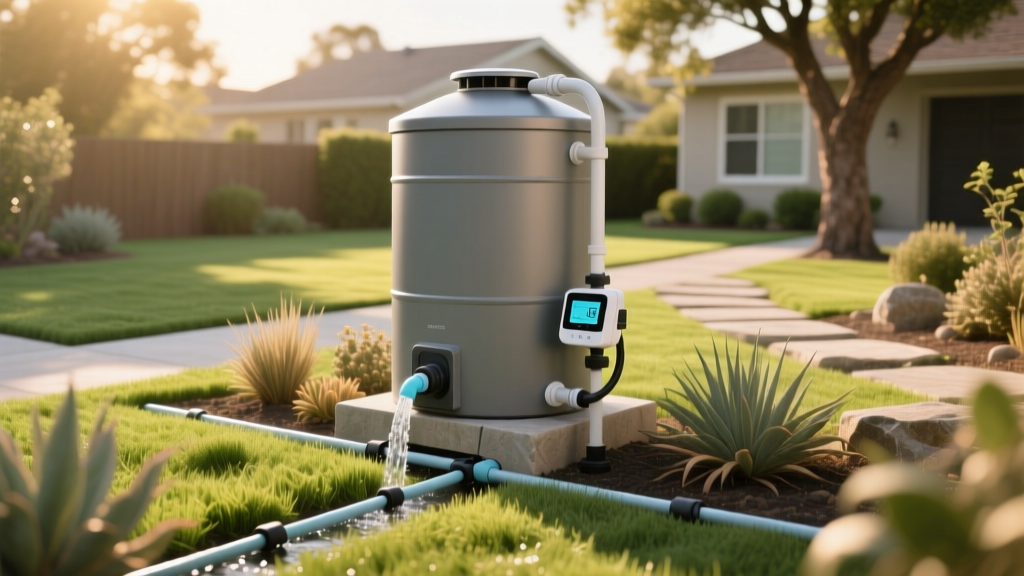
Eco-Friendly Rainwater Harvesting and Smart Irrigation Setup
Emily WatsonPublished
The Shift Toward Sustainable Landscape Hydration
As environmental awareness grows and municipal water restrictions become more frequent, homeowners are actively seeking ways to bridge the gap between lush outdoor living spaces and ecological responsibility. Traditional lawn care often relies heavily on treated municipal water, which is both resource-intensive and expensive. By integrating a rainwater harvesting system with modern smart irrigation technology, you can create a closed-loop, eco-friendly hydration system that sustains your garden while drastically reducing your carbon and water footprint. According to the EPA WaterSense program, outdoor water use accounts for nearly 30% of total household water consumption, with some arid regions seeing that number climb above 60%. Transitioning to a sustainable catchment and distribution model is one of the most impactful home and garden upgrades you can undertake.
Calculating Your Rainwater Harvesting Potential
Before purchasing tanks or smart controllers, you must understand your property's water yield. The fundamental formula for calculating rainwater harvesting potential is straightforward: Catchment Area (in square feet) x Rainfall (in inches) x 0.623 = Gallons of Water Harvested. For example, a modest 1,500-square-foot roof footprint receiving just one inch of rain will yield approximately 934 gallons of water. If your region receives 30 inches of annual rainfall, that same roof can theoretically capture over 28,000 gallons per year. This abundance of free, naturally soft, and chlorine-free water is ideal for garden-to-table vegetable beds, ornamental landscaping, and turfgrass, as it lacks the harsh treatment chemicals found in municipal supplies that can degrade soil microbiology over time.
Essential Components of an Eco-Friendly Catchment System
A sustainable rainwater setup requires more than just a barrel at the edge of your roof. To ensure water quality and system longevity, incorporate the following components:
- Leaf Screens and Gutter Guards: Install stainless steel mesh screens over all gutters to prevent organic debris from entering the system and decomposing, which can lead to anaerobic bacteria and foul odors.
- First-Flush Diverters: This critical component captures the initial runoff from a rain event, which contains bird droppings, pollen, and roof dust. A standard rule of thumb is to divert the first 10 gallons of water per 1,000 square feet of roof area before allowing the clean water to flow into your storage tank.
- Polyethylene Storage Tanks: Opt for UV-stabilized, food-grade polyethylene tanks (such as the Bushman Slimline or Norwesco Bruiser series). Dark green or black tanks are essential, as blocking sunlight prevents algae growth inside the reservoir. For suburban lots, slimline tanks (ranging from 500 to 1,000 gallons) fit neatly against exterior walls without dominating the landscape design.
- Eco-Friendly Overflow Management: Route the tank's overflow valve into a nearby rain garden or a French drain system lined with native river rock, allowing excess water to percolate naturally back into the local aquifer rather than overwhelming storm drains.
Bridging the Gap: Smart Irrigation Controllers
Storing rainwater is only half the battle; distributing it efficiently is where smart home integration shines. Legacy sprinkler timers operate on rigid schedules, often watering the lawn during rainstorms or peak evaporation hours. Smart irrigation controllers, such as the Rachio 3 or the Orbit B-hyve, connect to your home Wi-Fi and utilize hyper-local Weather Intelligence. These controllers monitor real-time evapotranspiration (ET) rates, soil moisture levels, and incoming weather forecasts to automatically adjust watering schedules. The American Rainwater Catchment Systems Association (ARCSA) emphasizes that pairing smart controllers with rainwater catchment ensures that stored water is only deployed when the soil profile genuinely requires it, extending your tank's reserves through dry spells. Furthermore, these smart hubs can be integrated with wireless soil moisture sensors placed in your garden beds, overriding scheduled watering if the ground is already adequately saturated.
Optimizing Distribution: Drip Irrigation vs. Smart Spray Heads
To maximize the efficiency of your harvested rainwater, the delivery method must match the landscape zone. For garden-to-table raised beds, shrub borders, and foundation plantings, utilize subsurface drip irrigation lines (like Netafim Techline CV). Drip systems deliver water directly to the root zone at a slow rate, achieving up to 95% efficiency by virtually eliminating wind drift and surface evaporation. For turfgrass areas where spray heads are necessary, upgrade standard nozzles to multi-stream rotators, such as the Hunter MP Rotator. These nozzles apply water at a much slower precipitation rate (roughly 0.4 inches per hour compared to 1.5 inches for traditional spray heads), allowing heavy clay soils to absorb the moisture without creating eco-harmful runoff.
Pump and Filtration Specifications for Lawn Health
Gravity alone rarely provides enough pressure to operate modern irrigation valves, which typically require between 30 and 50 PSI to function correctly. You will need to install a demand-driven pump system. A 1/2 HP to 3/4 HP submersible pump placed inside the tank, or a shallow-well jet pump situated outside, paired with a pressure tank and a 40/60 PSI pressure switch, will mimic municipal water pressure. Research published by Texas A&M AgriLife Extension highlights the importance of post-tank filtration to protect smart irrigation valves from micro-debris. Install a 120-mesh disc or screen filter immediately after the pump, followed by a flush valve to easily clear accumulated sediment without dismantling the plumbing.
System Cost and Return on Investment (ROI)
While the upfront investment for a comprehensive eco-friendly system is higher than a standard municipal hookup, the long-term environmental and financial returns are substantial. Below is a comparative breakdown of estimated costs and lifespans for a mid-sized residential setup (1,000-gallon capacity).
| System Component | Estimated Cost | Expected Lifespan | Eco-Benefit |
|---|---|---|---|
| 1,000-Gal UV Poly Tank | $1,200 - $1,800 | 20+ Years | Reduces municipal extraction |
| First-Flush & Filtration | $250 - $400 | 10 Years | Protects soil from debris/chemicals |
| 3/4 HP Pump & Pressure Tank | $450 - $700 | 7 - 10 Years | Enables efficient distribution |
| Smart Controller (e.g., Rachio) | $200 - $250 | 5 - 8 Years | Prevents overwatering via ET data |
| Professional Installation | $1,500 - $2,500 | N/A | Ensures leak-free, optimized setup |
Depending on local utility rates and seasonal watering restrictions, homeowners typically see a return on investment within 4 to 7 years, alongside the invaluable benefit of drought-proofing their landscape.
Seasonal Maintenance for Long-Term Sustainability
An eco-friendly system requires mindful seasonal maintenance to remain sustainable. In late autumn, clean out all gutter runs and inspect the first-flush diverter for trapped sediment. If you live in a climate with hard freezes, it is imperative to winterize the system. Drain the above-ground PVC piping, bypass the pump, and utilize a tank heater or a floating de-icer to prevent the stored water from freezing and cracking the polyethylene shell. In the spring, flush the 120-mesh filter, test the smart controller's Wi-Fi connection, and run a manual zone test to ensure no sprinkler heads were damaged by winter lawn equipment. By treating your rainwater harvesting and smart irrigation setup as a vital piece of your home's infrastructure, you ensure a vibrant, resilient garden that works in perfect harmony with the local ecosystem.
