Home & Garden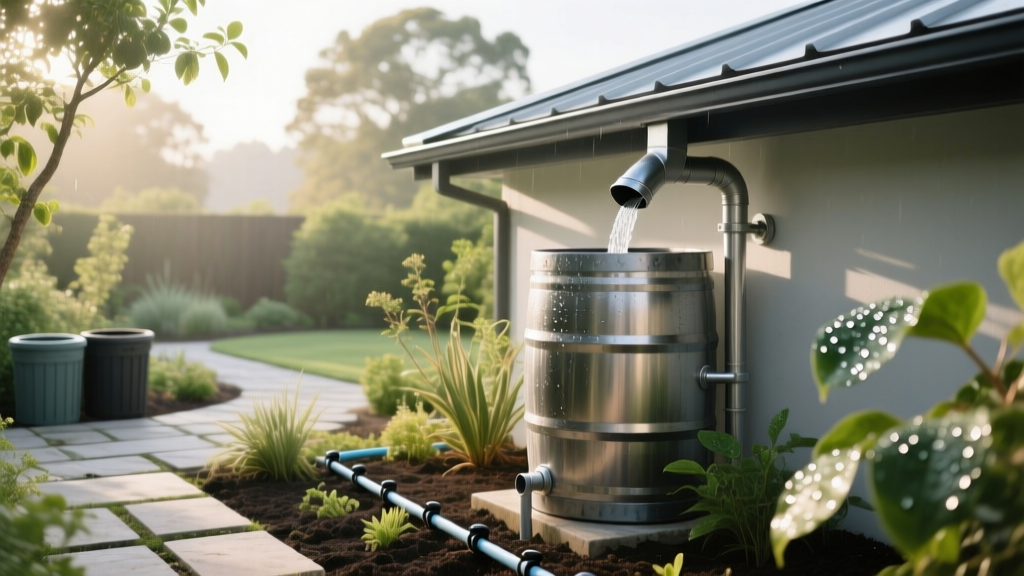
Install a Rainwater Harvesting System for Garden Irrigation
David ParkPublished
The Environmental and Economic Case for Rainwater Harvesting
Water is one of our most precious natural resources, yet millions of gallons of pristine rainwater are wasted every year, flowing off roofs and into storm drains. For homeowners looking to bridge the gap between sustainable living and lush landscaping, installing a rainwater harvesting system is one of the most impactful eco-friendly upgrades you can make. According to the EPA WaterSense program, the average American family uses 320 gallons of water per day at home, and nearly 30 percent of that is devoted to outdoor uses. In arid climates, outdoor water use can account for up to 60 percent of a household's total water footprint.
By capturing and repurposing rainwater for garden irrigation, you not only reduce your reliance on municipal water supplies but also protect local watersheds. Rainwater is naturally soft, free of chlorine, fluoride, and the salts found in treated municipal water, making it the absolute best hydration source for your soil microbiome, vegetable garden, and ornamental plants. Furthermore, capturing runoff reduces the strain on local stormwater infrastructure, mitigating erosion and preventing polluted runoff from entering local rivers and lakes.
The Math: Calculating Your Catchment Potential
Before purchasing materials, it is crucial to understand your roof's catchment potential. The formula for calculating rainwater yield is surprisingly simple and highly rewarding. You can estimate your harvest using this standard equation:
Catchment Area (sq ft) × Rainfall (inches) × 0.623 = Gallons of Water Harvested
For example, a modest 1,000-square-foot roof section can capture approximately 623 gallons of water from just one inch of rain. If your region receives 30 inches of rain annually, that single roof section could theoretically yield over 18,000 gallons of free, sustainable irrigation water per year. This massive potential is why the American Rainwater Catchment Systems Association (ARCSA) heavily advocates for residential micro-catchment systems as a primary tool for urban water conservation.
Essential Components of a Sustainable System
A basic, eco-friendly rainwater harvesting system for garden irrigation consists of four main components:
- Catchment Surface: Typically your existing roof. Metal, slate, and untreated wood are the most eco-friendly and clean surfaces. Avoid roofs with treated wood shakes or lead-based paints.
- Conveyance System: Seamless aluminum or PVC gutters and downspouts that channel the water from the roof to the storage vessel.
- Pre-Filtration: A leaf eater or first-flush diverter that prevents organic debris, bird droppings, and roof sediment from entering your storage tank.
- Storage and Distribution: A food-grade, UV-resistant High-Density Polyethylene (HDPE) barrel or cistern, equipped with a brass spigot and connected to a gravity-fed drip irrigation network.
Step-by-Step Installation Guide for a 50-Gallon System
Installing a 50-gallon rain barrel system is a highly actionable DIY project that can be completed in a single weekend. Here is your step-by-step guide to setting up a gravity-fed irrigation system.
Step 1: Site Preparation and Base Construction
Water is incredibly heavy, weighing about 8.34 pounds per gallon. A full 50-gallon barrel will weigh over 450 pounds. You must create a perfectly level, load-bearing base. Dig out a 3x3 foot area near your downspout, lay down landscaping fabric, and fill it with 3 inches of crushed gravel. Place four solid concrete cinder blocks (8x8x16 inches) on the gravel to elevate the barrel. Elevation is critical for generating the water pressure needed for gravity-fed drip irrigation.
Step 2: Modifying the Downspout
Using a hacksaw, cut your existing aluminum downspout at a height that aligns with the top inlet of your rain barrel. Install a PVC downspout diverter or a flexible corrugated extension pipe to route the water directly into the barrel's top mesh screen. Ensure the connection is sealed with waterproof silicone to prevent mosquito breeding and overflow leakage near your home's foundation.
Step 3: Plumbing the Spigot and Overflow
Using a 3/4-inch drill bit and a hole saw, carefully drill a hole into the lower sidewall of the HDPE barrel, about three inches from the bottom. Insert a rubber bulkhead fitting, wrap your 3/4-inch brass spigot threads with PTFE (Teflon) tape, and screw it tightly into the fitting from the outside while holding the inner locknut with pliers. Next, drill a 1-inch hole near the very top of the barrel and attach an overflow hose. Route this hose at least 10 feet away from your home's foundation to prevent structural water damage during heavy downpours.
Step 4: Connecting to Drip Irrigation
Attach a 3/4-inch to 1/2-inch barb adapter to your new spigot, and connect your mainline poly tubing. Gravity systems typically operate at a low pressure of 2 to 5 PSI, which is absolutely perfect for drip emitters and soaker hoses. Avoid using high-pressure sprinklers, as they require municipal-level PSI to function correctly.
Cost Breakdown and Return on Investment
Building a sustainable irrigation system is cost-effective. Below is a breakdown of the estimated costs for a premium, long-lasting 50-gallon DIY setup.
| Component | Specifications | Estimated Cost | Lifespan |
|---|---|---|---|
| Storage Barrel | 50-Gal UV-Resistant HDPE | $90.00 - $130.00 | 15-20 Years |
| Downspout Diverter | PVC with Winter Bypass | $25.00 - $40.00 | 10+ Years |
| Brass Spigot & Fittings | 3/4-inch Solid Brass | $15.00 - $25.00 | Lifetime |
| Base Materials | Gravel & 4 Cinder Blocks | $20.00 - $30.00 | Permanent |
| Drip Irrigation Kit | 1/2-inch Tubing & Emitters | $40.00 - $60.00 | 5-8 Years |
| Total Estimated Cost | $190.00 - $285.00 |
With municipal water rates averaging $2 to $5 per 1,000 gallons (and rising annually), a system that captures 10,000 gallons a year will pay for itself in roughly three to five years, while providing decades of free, eco-friendly irrigation thereafter.
Smart Home Integration for Sustainable Irrigation
To maximize the efficiency of your rainwater harvesting system, consider integrating smart home technology. While gravity-fed systems are inherently low-tech, you can install a smart soil moisture sensor in your garden beds. Devices like the Ecobee SmartSensor or specialized agricultural probes can monitor the volumetric water content of your soil. When paired with a smart Wi-Fi hose timer attached to your rain barrel spigot, the system will only open the valve when the soil is genuinely dry and the barrel has sufficient water reserves. This prevents overwatering, protects your soil structure from nutrient leaching, and ensures that every drop of harvested rain is used with maximum ecological efficiency.
Seasonal Maintenance and Winterization
Sustainable systems require mindful maintenance to ensure longevity and prevent ecological hazards like mosquito breeding. During the spring and summer, inspect your pre-filter mesh monthly and scrub away algae or pollen buildup. Add a small, eco-friendly mosquito dunk containing Bacillus thuringiensis israelensis (Bti) to the barrel every 30 days; this naturally occurring bacteria targets mosquito larvae but is completely harmless to plants, pets, and soil biology.
Winterization is critical in climates with freezing temperatures. Water expands when it freezes, which will easily crack an HDPE barrel or shatter a brass spigot. Before the first hard freeze, drain the barrel completely, detach the spigot, and store it indoors. Leave the top lid off or set the barrel on its side to prevent snowmelt from accumulating and freezing inside. Reconnect your downspout to its standard winter routing to direct snowmelt safely away from your property.
Conclusion
Transitioning to a rainwater harvesting system is a profound step toward self-sufficiency and environmental stewardship. By capturing the rain that naturally falls on your property, you reduce the energy-intensive treatment and pumping of municipal water, lower your utility bills, and provide your garden with the purest form of hydration available. As noted by experts at Texas A&M AgriLife Extension, decentralized residential water catchment is a cornerstone of modern sustainable landscaping. With a modest weekend investment and basic DIY skills, you can transform your home's footprint into a closed-loop, eco-friendly oasis.
