Gardening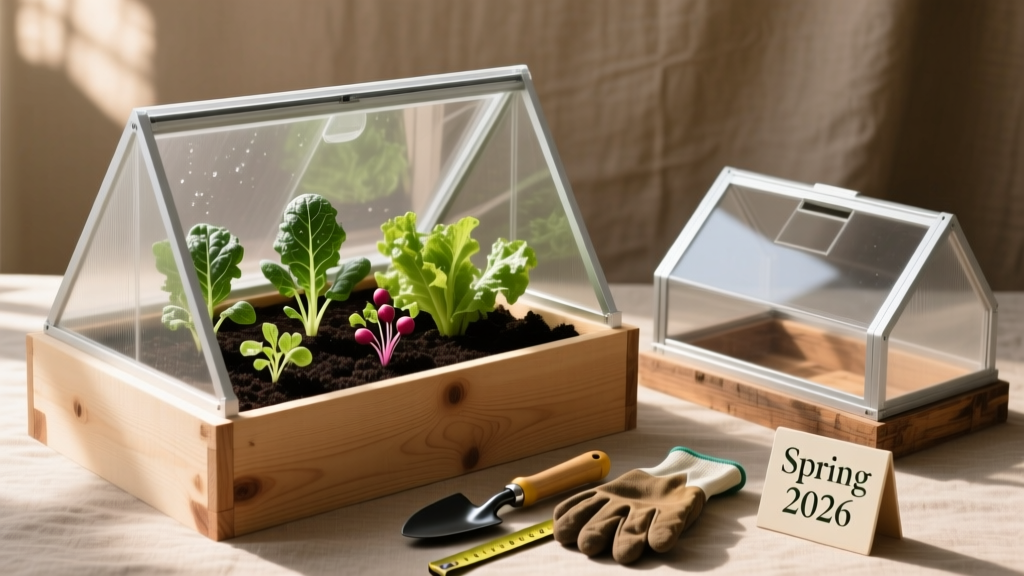
Best Cold Frames For Raised Beds: 2026 Season Extension Guide
Sarah ChenPublished
Maximizing Your 2026 Harvest: The Raised Bed Cold Frame Advantage
As home gardeners look to maximize their yields and embrace hyper-local food production in 2026, the combination of raised bed vegetable gardening and cold frames has emerged as a cornerstone technique for season extension. Whether you are battling unpredictable spring frosts or trying to harvest fresh greens well into the freezing days of late fall, a cold frame acts as a miniature, unheated greenhouse. When paired with the superior drainage and soil warmth of a raised bed, this setup creates a highly controlled microclimate that can add up to eight weeks of growing time to both ends of your gardening season.
According to the USDA Plant Hardiness Zone Map, shifting climate patterns have made traditional planting dates less reliable. By integrating a cold frame directly over your raised beds, you bypass the guesswork of late spring cold snaps and early autumn freezes, ensuring your cool-weather crops thrive in a protected environment.
Why Pair Cold Frames with Raised Beds?
While cold frames can be placed directly on the ground, mounting them onto raised beds offers several distinct agronomic and ergonomic advantages:
- Enhanced Thermal Mass and Drainage: Raised beds warm up faster in the spring than in-ground soil. When enclosed by a cold frame, this ambient heat is trapped. Furthermore, the elevated soil profile prevents the waterlogging that often plagues ground-level cold frames during heavy spring thaws.
- Ergonomic Maintenance: Bending down to ground level to weed, thin seedlings, or harvest winter greens can be strenuous. A raised bed cold frame positioned at waist height saves your back and makes daily ventilation management much easier.
- Pest Exclusion: By securing a cold frame lid to the wooden or metal walls of your raised bed, you create a physical barrier against early spring pests like flea beetles, cabbage moths, and foraging rodents.
Top Cold Frame Designs for Raised Beds in 2026
This year, the market and DIY communities have favored a few specific designs that cater perfectly to standard 4x8 or 4x4 raised beds.
1. Twin-Wall Polycarbonate Hoop Frames
For gardeners using metal or composite raised beds, flexible hoop frames covered with 4mm twin-wall polycarbonate are the top choice for 2026. These kits use bendable PVC or aluminum conduit that slots directly into the corners of your raised bed. The twin-wall polycarbonate provides excellent insulation (R-value) while diffusing harsh sunlight, preventing the delicate spring seedlings from scorching. They are lightweight, making it easy to lift the entire structure off the bed when the summer heat arrives.
2. Rigid Timber and Angled Lid Cold Frames
If you have traditional cedar or untreated pine raised beds, building a rigid wooden cold frame that sits flush on top of the bed walls is a highly effective strategy. The key to this design is angling the lid toward the south to capture the low-hanging winter sun. In 2026, many gardeners are upgrading from heavy glass lids to shatterproof, UV-stabilized acrylic or polycarbonate sheets to reduce the weight and eliminate the risk of breakage from hail or falling branches.
Spring Season Extension: Jumpstarting Your Garden
The primary goal of spring season extension is to harden off transplants and direct-sow cold-hardy crops weeks before the outdoor soil is workable. According to guidelines from The Old Farmer's Almanac, you can begin using your cold frame up to six weeks before your region's last expected frost date.
In early spring, the soil inside your raised bed cold frame will remain significantly warmer than the ambient air. You can direct sow crops like spinach, arugula, radishes, and peas directly into the raised bed soil. For warm-weather crops like tomatoes and peppers, the cold frame serves as an ideal hardening-off station. Place your nursery flats inside the frame during the day, and close the lid at night to protect them from late frosts. Over the course of two weeks, gradually increase the ventilation to acclimate the plants to outdoor wind and direct sunlight.
Fall and Winter Growing: The Overwintering Strategy
Fall cold frame gardening is less about starting new growth and more about preserving and slowly harvesting mature plants. As daylight hours wane in late autumn, plant growth slows down dramatically. The strategy for 2026 is to have your cold-hardy crops reach near-full maturity by the time the first hard freeze arrives.
Crops like kale (Winterbor variety), Swiss chard, mâche (corn salad), and claytonia (miner's lettuce) are incredibly resilient. When the temperature drops, the cold frame traps the earth's natural geothermal heat and the daytime solar gain. Even when the outside temperature plunges to 10°F (-12°C), the interior of a well-sealed raised bed cold frame can remain above freezing, keeping your greens crisp and sweet. In fact, the cold stress causes these brassicas and greens to produce natural sugars as an antifreeze mechanism, resulting in the best-tasting harvests of the year.
Crucial Temperature Management and Ventilation
The biggest danger to cold frame crops is not the cold; it is the heat. On a sunny 40°F spring day, the interior of a closed cold frame can easily exceed 90°F, cooking your plants in a matter of hours. Active ventilation is mandatory.
In 2026, the gold standard for hands-off ventilation is the solar-powered automatic vent opener. These devices use a wax-filled cylinder that expands as the temperature rises, automatically pushing the cold frame lid open. When the temperature drops in the evening, the wax contracts, and the lid closes via gravity. Installing an automatic vent opener on your raised bed cold frame lid ensures your plants are protected even if you are away at work or forget to open the lid manually on a warm weekend morning.
Cold Frame Raised Bed Planting Schedule
Use the following schedule as a baseline for your raised bed cold frame, adjusting slightly based on your specific USDA Hardiness Zone.
| Season | Crop Variety | Sowing / Planting Time | Target Harvest Window |
|---|---|---|---|
| Spring | Spinach (Bloomsdale) | 6-8 weeks before last frost | Early to Mid-Spring |
| Spring | Radishes (French Breakfast) | 4-6 weeks before last frost | Mid-Spring |
| Spring | Lettuce (Winter Density) | 8 weeks before last frost (transplant) | Late Spring |
| Fall | Kale (Winterbor) | Mid-to-Late Summer (direct sow) | Late Fall through Winter |
| Fall | Mâche (Corn Salad) | Early Fall (direct sow) | Late Fall through Early Spring |
| Fall | Carrots (Napoli) | Late Summer (direct sow) | Winter (overwintered in soil) |
Soil Preparation and Thermal Mass Tricks
To get the most out of your raised bed cold frame, soil preparation and thermal mass management are critical. In the fall, before planting your overwintering crops, amend your raised bed soil with a generous layer of finished compost. Avoid high-nitrogen synthetic fertilizers, as they promote rapid, tender growth that is highly susceptible to frost damage. You want slow, steady, hardened-off growth.
To increase the thermal mass inside the cold frame, place several 1-gallon plastic jugs filled with water and painted matte black along the back (north) wall of the raised bed. During the day, the black jugs absorb solar radiation and heat the water inside. At night, as the air temperature inside the cold frame drops, the water slowly releases that stored heat, buffering the plants against sudden temperature plunges. This simple, zero-cost trick can raise the nighttime ambient temperature inside your cold frame by 2 to 4 degrees, which is often the difference between a surviving crop and a frozen one.
Conclusion
Integrating a cold frame into your raised bed vegetable garden is one of the most rewarding investments you can make in 2026. By leveraging the natural drainage and warmth of raised beds alongside the protective microclimate of a cold frame, you can enjoy fresh, homegrown produce for a significantly larger portion of the year. Whether you are harvesting sweet winter carrots in January or picking the first tender spinach leaves in March, season extension transforms your garden from a summer hobby into a year-round food-producing powerhouse.
