Gardening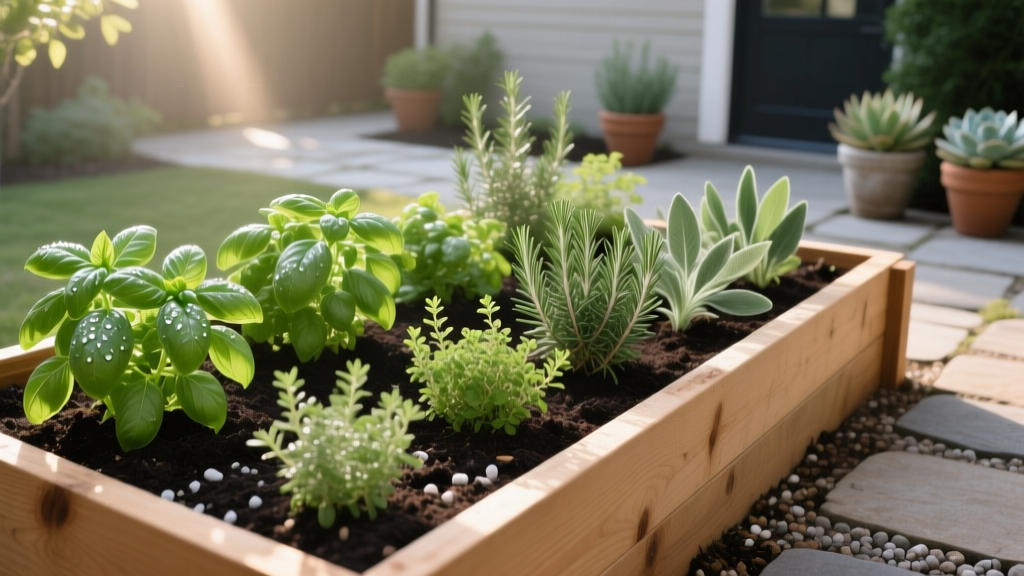
2026 Raised Bed Herb Garden Design: Basil, Thyme, Rosemary & Sage
Robert HayesPublished
The 2026 Culinary Herb Garden: Elevating Your Raised Beds
As we move through the 2026 growing season, the trend of hyper-local, home-grown culinary ingredients continues to dominate the gardening world. While traditional vegetable patches focus on heavy feeders like tomatoes and squash, a dedicated culinary herb raised bed offers a high-yield, low-maintenance alternative that transforms your daily cooking. Specifically, designing a raised bed around the 'Mediterranean Quartet'—basil, thyme, rosemary, and sage—provides a continuous harvest of essential flavors from early summer well into late autumn.
Raised bed vegetable gardening is the absolute best method for cultivating these specific herbs. Why? Because it grants you total control over soil drainage, a critical factor for woody Mediterranean perennials that despise 'wet feet.' In this comprehensive 2026 guide, we will break down exactly how to design, build, soil-fill, and maintain a 4x4 raised bed dedicated entirely to these four culinary powerhouses.
Choosing the Right Raised Bed for Herbs in 2026
When designing an herb-specific raised bed, depth and material matter more than sheer square footage. Herbs generally have shallower root systems than deep-rooted vegetables like carrots or parsnips. A depth of 12 to 18 inches is the sweet spot for a culinary herb bed.
Top 2026 Material Recommendations
- Galvanized Steel (Modular): Brands like Birdies and VEVOR continue to lead the 2026 market with modular galvanized steel beds. They offer superior drainage, reflect excess heat away from the soil in peak summer, and easily last 20+ years. A standard 4x4-foot oval or square kit currently averages $130 to $180.
- Untreated Cedar: For a classic aesthetic, 2-inch thick untreated cedar remains a top choice. Cedar naturally resists rot and insect damage without leaching chemicals into your culinary soil. Expect to pay around $250 for a pre-cut 4x4 cedar kit in 2026.
- Composite Timber: Made from recycled wood fibers and plastics, composite beds (like those from Frame It All) are virtually maintenance-free and won't warp or rot, making them a sustainable, long-term investment for perennial herbs like rosemary and sage.
The 2026 Mediterranean Soil Recipe
The most common mistake gardeners make is planting rosemary, thyme, and sage in standard, moisture-retaining vegetable soil. These herbs originate from the rocky, arid hillsides of the Mediterranean and require exceptional drainage. Basil, however, prefers slightly richer, more moisture-retentive soil. To accommodate all four in a single raised bed, we use a zoned soil approach or a highly adaptable master mix.
The Master Herb Mix Recipe
Fill your 4x4 raised bed (which requires roughly 16 cubic feet of soil for a 12-inch depth) with the following ratio:
- 40% Premium Topsoil: Provides the base structure and essential minerals.
- 30% Coarse Builder's Sand or Perlite: This is non-negotiable for drainage. It prevents soil compaction and ensures oxygen reaches the roots of your woody herbs.
- 20% Organic Compost: Provides slow-release nutrients and beneficial microbes.
- 10% Worm Castings & Crushed Oyster Shell: Worm castings offer a gentle nutrient boost, while oyster shell provides calcium and helps buffer soil pH to the slightly alkaline level (6.5 - 7.0) that rosemary and sage prefer.
Pro Tip for Zoning: Mound the soil slightly higher at the back and corners of the bed where you will plant your rosemary and sage. This creates a micro-elevation that encourages water to run down toward the center, where your moisture-loving basil will thrive.
Herb Garden Design & Layout Chart
Proper spacing is vital to ensure adequate airflow, which prevents fungal diseases like powdery mildew—a common issue for sage and rosemary in humid summers. Below is the 2026 master layout guide for a standard 4x4 raised bed.
| Herb | Growth Habit | Spacing | Water Needs | Best Bed Placement |
|---|---|---|---|---|
| Rosemary | Woody Perennial (Upright/Trailing) | 24-36 inches | Low (Drought tolerant) | Back Corners (North side) |
| Sage | Bushy Perennial | 18-24 inches | Low to Moderate | Back Center or Side Corners |
| Thyme | Creeping/Groundcover Perennial | 12-18 inches | Low | Front Edges (Spilling over) |
| Basil | Upright Annual | 12-18 inches | Moderate (Consistent moisture) | Center / Sun-drenched zones |
Deep Dive: Planting and Caring for the Culinary Quartet
1. Basil (The Annual Centerpiece)
Basil is the undisputed king of the summer kitchen garden. Because it is a tender annual, it will occupy the center of your raised bed, utilizing the rich compost and consistent moisture that washes down from the elevated edges. According to the Old Farmer's Almanac Basil Guide, basil thrives in full sun (6-8 hours) and requires soil temperatures above 50°F before transplanting outdoors. In 2026, disease-resistant varieties like 'Rutgers Devotion' and 'Eleonora' are highly recommended to combat downy mildew. Pinch off flower buds aggressively to keep the plant focused on producing lush, flavorful leaves.
2. Rosemary (The Structural Anchor)
Rosemary provides year-round structure to your raised bed. Varieties like 'Tuscan Blue' grow upright and can reach 3 feet tall, making them perfect for the back corners of the bed where they won't cast shade on smaller herbs. For the front edges, consider 'Prostratus' (creeping rosemary), which will beautifully cascade over the sides of your raised bed. As noted by experts at Old Farmer's Almanac, rosemary is incredibly drought-tolerant once established. Overwatering is the fastest way to kill rosemary; allow the top two inches of soil to dry out completely between waterings.
3. Thyme (The Living Mulch)
Thyme is a low-growing, hardy perennial that acts as a 'living mulch' in your raised bed. By planting English Thyme or Lemon Thyme along the southern-facing edges of the bed, you help shade the soil, retain moisture for the surrounding plants, and suppress weeds. Thyme loves the hot, dry conditions near the edges of a raised bed and will reward you with delicate, highly aromatic foliage that is essential for roasting meats and root vegetables.
4. Sage (The Bushy Workhorse)
Culinary sage (Salvia officinalis) features soft, velvety leaves that pack a massive savory punch. Sage requires excellent airflow to prevent fungal issues, so do not crowd it. Plant it near the rosemary in the drier, elevated zones of your soil mix. The Penn State Extension recommends pruning woody perennial herbs like sage in early spring to encourage fresh, tender growth and prevent the center of the plant from becoming leggy and unproductive.
Irrigation and 2026 Smart Watering Techniques
Because this raised bed houses plants with varying water needs, overhead watering with a hose is highly discouraged. Wetting the foliage of sage and rosemary invites powdery mildew, while failing to deliver enough water to the basil's root zone will cause it to bolt or wilt.
The 2026 standard for raised bed herb irrigation is a zoned drip system. Use a main 1/2-inch poly tubing line running along the back of the bed. Run 1/4-inch drip lines with adjustable emitters to the base of each plant. Set the emitters near the basil to deliver a higher volume of water, and use low-flow drippers (or simply rely on ambient rainfall and occasional deep soaking) for the rosemary and thyme. Mulching the center of the bed with an inch of organic straw will help the basil retain moisture without suffocating the woody herbs.
Companion Planting and Pest Management
One of the greatest benefits of the Mediterranean Quartet is their natural pest-repelling properties. The strong essential oils in rosemary, sage, and thyme confuse the olfactory receptors of common garden pests like aphids, cabbage moths, and carrot rust flies. While your herb bed is a standalone feature, planting it adjacent to your brassicas (like kale and broccoli) or tomatoes will provide a natural aromatic shield for your more vulnerable crops.
If aphids do appear on your tender basil tips, avoid harsh chemical sprays that will ruin the herb's culinary value. Instead, use a simple blast of water from a hose nozzle or apply a diluted neem oil spray in the late evening, ensuring you wash the leaves thoroughly before consumption.
Harvesting for the Kitchen
To maximize flavor, harvest your herbs in the early morning just after the dew has dried but before the midday sun bakes the essential oils out of the leaves. For basil, always cut just above a leaf node to encourage the plant to branch out and become bushier. For rosemary and thyme, snip the tender new growth at the tips of the branches, avoiding the hard, woody stems near the base of the plant. With this 2026 raised bed design, your kitchen will be supplied with premium, hyper-local flavors all season long.
