Home & Garden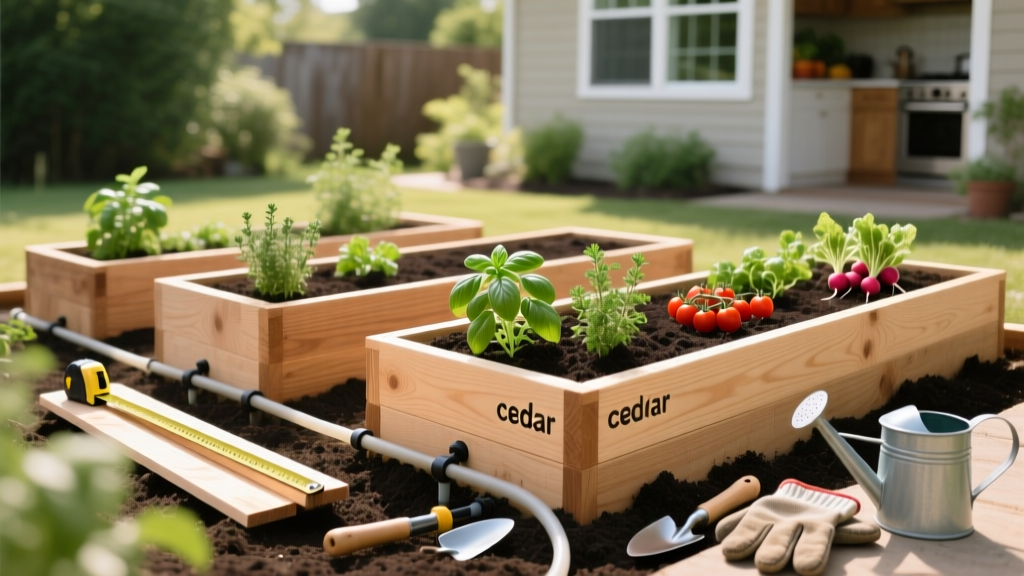
Cost Guide: Building a Budget Raised Bed Kitchen Garden
Anna KowalskiPublished
Introduction to the Garden-to-Table Budget
The garden-to-table movement has transformed how we view our backyards, turning underutilized lawn space into productive, edible landscapes. However, the transition from dreaming about a kitchen garden to actually building one often comes with a significant hurdle: startup costs. Between purchasing lumber, hauling in soil, and setting up irrigation, the expenses can quickly spiral out of control if you do not have a strategic plan.
As a senior writer for Lawns Guide, I have analyzed the true costs of establishing a raised bed kitchen garden. This comprehensive budgeting guide breaks down the exact expenses you can expect when building a standard 4x8-foot raised bed, offering actionable advice on where to splurge, where to save, and how to maximize your long-term return on investment (ROI).
Choosing Your Raised Bed Materials: Cost vs. Longevity
The most visible expense in your garden budget is the material used to construct the beds. While a 4x8-foot bed is the industry standard for kitchen gardens because it allows easy access to the center without stepping on the soil, the material you choose will dictate both your upfront costs and the lifespan of your garden.
| Material | Est. Cost (4x8 Bed) | Lifespan | Pros & Cons |
|---|---|---|---|
| Untreated Pine | $35 - $50 | 3 - 5 Years | Cheapest upfront, but rots quickly and may warp. |
| Western Red Cedar | $120 - $160 | 10 - 15 Years | Naturally rot-resistant and beautiful, but pricey. |
| Corrugated Galvanized Steel | $80 - $110 | 15 - 20 Years | Modern look and highly durable, but can heat soil in extreme sun. |
| Composite Timber | $180 - $250 | 20+ Years | Zero maintenance and eco-friendly, but highest initial cost. |
Budgeting Tip: If you are on a strict budget, opt for untreated pine but line the interior walls with heavy-duty contractor plastic (poked with drainage holes) to prevent wet soil from directly contacting the wood. This $15 investment can double the lifespan of a pine bed.
The Dirt on Soil: Volume Calculations and Sourcing
Soil is notoriously the most expensive hidden cost in raised bed gardening. A 4x8-foot bed that is 10 inches deep requires approximately 24 cubic feet of soil. Many beginners make the mistake of buying bagged 'garden soil' from big-box stores, which is both economically inefficient and often too dense for raised beds.
The Bagged vs. Bulk Dilemma
- Bagged Raised Bed Mix: At roughly $8 per 1.5-cubic-foot bag, filling a 24-cubic-foot bed will cost around $128. This is convenient but expensive.
- Bulk Delivery: Local landscape supply yards typically charge $40 to $60 per cubic yard (27 cubic feet) for a premium raised bed mix. With a $50 delivery fee, your total cost is around $100. You save money and get higher-quality, looser soil.
The Hugelkultur Hack: Save 30% on Soil Costs
To drastically reduce your soil budget, employ the traditional Hugelkultur method. By filling the bottom 30% of your raised bed with rotting logs, twigs, and dry leaves, you not only save roughly $35 on soil volume, but you also create a slow-release nutrient sponge that retains moisture during summer droughts.
According to the Colorado State University Extension, an ideal raised bed soil mix should consist of 50% high-quality topsoil, 30% organic compost, and 20% aeration material like perlite or pumice. Sourcing municipal compost from your local city waste facility can often reduce the compost portion of your budget to nearly zero, as many municipalities offer free compost to residents.
Smart Irrigation on a Shoestring Budget
Watering a kitchen garden by hand is not only time-consuming but it also leads to water waste and fungal diseases on crops like tomatoes and squash. Integrating smart home technology into your garden irrigation is surprisingly affordable and pays for itself in water savings within a single growing season.
DIY Drip Irrigation Breakdown
- Drip Irrigation Kit (e.g., Rain Bird or DIG): $40 - $60. These kits include the mainline tubing, emitters, and connectors needed for a 4x8 bed.
- Smart Hose Faucet Timer (e.g., Orbit B-hyve): $50 - $70. This connects to your Wi-Fi, allowing you to adjust watering schedules via a smartphone app based on local weather forecasts.
- Pressure Regulator & Filter: $15. Essential for preventing blown emitters and clogged drip lines.
Total Irrigation Cost: $105 - $145. By utilizing a smart timer that automatically skips watering on rainy days, the average homeowner saves up to 50% on outdoor water usage, making this a highly cost-effective upgrade.
Seeds, Starts, and DIY Trellising
When stocking your kitchen garden, the choice between seeds and nursery transplants heavily influences your budget. Fast-growing crops like radishes, carrots, beans, and lettuce should always be direct-sown from seed. A $3 packet of seeds can yield dozens of plants. Conversely, slow-growing or heat-loving crops like tomatoes, peppers, and eggplants are worth the $4 to $6 per transplant at the nursery to ensure a timely harvest.
Budget-Friendly Vertical Gardening
Maximizing the yield of a small 4x8 footprint requires growing vertically. Commercial wooden trellises can easily exceed $100. Instead, visit a local farm supply store and purchase a 16-foot galvanized cattle panel for roughly $25. By arching the panel over the bed and securing it to four $15 steel T-posts, you create an incredibly sturdy, rust-proof trellis perfect for heavy crops like butternut squash, cucumbers, and indeterminate tomatoes. Total trellis cost: roughly $85, and it will last for decades.
Calculating Your Garden-to-Table ROI
Is the investment truly worth it? The National Gardening Association reports that a well-maintained kitchen garden yields an average of $1.50 to $2.00 in produce for every $1.00 invested, but the ROI on specific high-value crops is much higher.
High-ROI Crops to Prioritize
- Herbs (Basil, Cilantro, Rosemary): Store-bought clamshells of herbs cost $3 to $5 and spoil quickly. A $3 packet of seeds or a $4 nursery start will produce pounds of fresh herbs over the season, offering an ROI of over 1,000%.
- Salad Greens & Microgreens: Cut-and-come-again lettuce mixes yield continuous harvests. A $5 investment in seeds can replace $60 worth of grocery store salad bags.
- Heirloom Tomatoes: Gourmet heirloom varieties often cost $5 to $8 per pound at farmers' markets. A single healthy transplant ($5) can yield 15 to 20 pounds of fruit, representing a $100+ value.
Final Budget Summary
Building a highly productive, 4x8-foot raised bed kitchen garden with smart irrigation and vertical trellising requires an initial investment of approximately $350 to $500, depending on your material choices. While the first year is focused on infrastructure, years two through ten require only minimal maintenance costs for seeds, compost top-dressing, and water.
By strategically sourcing bulk soil, utilizing the Hugelkultur method, and investing in durable DIY trellising, you can bridge the gap between indoor culinary passions and outdoor gardening without breaking the bank. Your budget is not just a list of expenses; it is a roadmap to a sustainable, delicious, and highly rewarding garden-to-table lifestyle.
