Home & Garden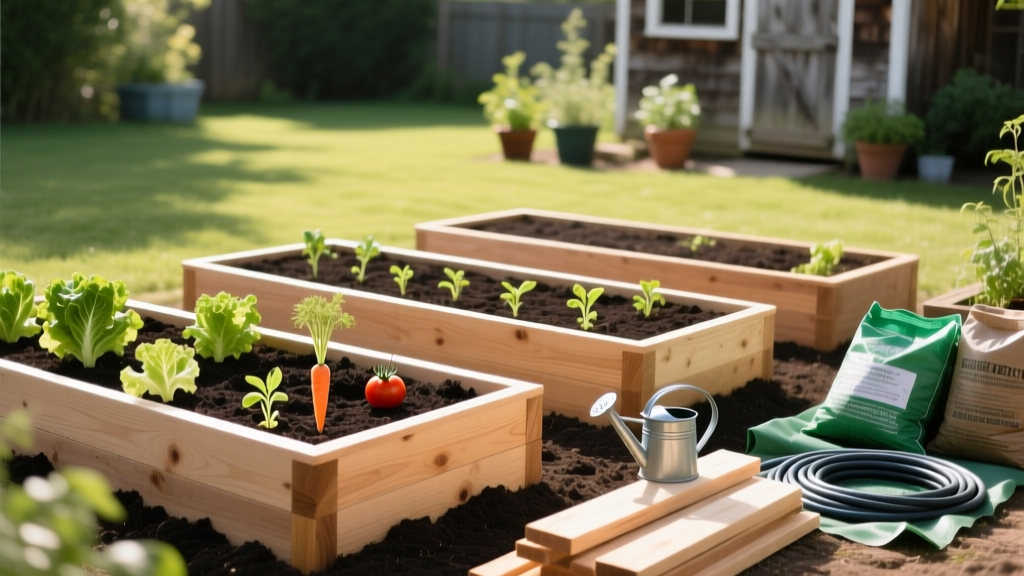
DIY Raised Bed Vegetable Garden Cost and Budget Guide
David ParkPublished
Bridging the Gap: From Garden Dream to Reality
The dream of a lush, garden-to-table harvest right outside your back door is more achievable than ever, but it requires careful financial planning. Building a raised bed vegetable garden is one of the most popular DIY garden projects for homeowners looking to bridge indoor culinary life with outdoor cultivation. However, many first-time gardeners are caught off guard by the cumulative costs of lumber, premium soil blends, and irrigation systems. Whether you are looking to grow heirloom tomatoes, crisp salad greens, or fresh herbs, understanding the true cost of a raised bed garden is essential for maximizing your return on investment.
In this comprehensive cost and budgeting guide, we will break down the exact expenses associated with building a standard 4-foot by 8-foot raised bed. We will explore material choices, soil volume calculations, smart home irrigation integrations, and hidden costs that can derail your budget. By the end of this guide, you will have a clear, actionable financial roadmap to launch your garden-to-table journey without breaking the bank.
Phase 1: Lumber and Structural Materials
The foundation of any raised bed is its frame. The material you choose will dictate not only the upfront cost but also the lifespan of your garden bed. A standard 4x8-foot bed that is 12 inches deep requires four 8-foot long boards (two for the long sides, and two cut in half for the short sides), along with corner brackets and exterior-grade screws.
Material Cost Breakdown
- Untreated Pine or Fir: The most budget-friendly option, costing roughly $12 to $18 per 2x6x8 board. Total lumber cost: $50 to $75. However, untreated pine will rot within 3 to 5 years, requiring early replacement.
- Western Red Cedar or Redwood: The gold standard for DIY garden beds. Cedar is naturally rot-resistant and insect-repellent. Expect to pay $25 to $35 per 2x6x8 board. Total lumber cost: $100 to $140. A cedar bed can last 10 to 15 years.
- Composite Timber: Made from recycled wood fibers and plastics, composite boards (like Trex) will never rot. They cost $45 to $60 per board. Total lumber cost: $180 to $240. This is a premium, long-term investment.
- Galvanized Steel Corrugated Panels: A modern, trendy alternative. A complete 4x8 oval or rectangular metal kit usually costs between $120 and $180 and includes the steel panels, corner brackets, and a top-edge safety trim.
Hardware Costs: Do not forget the structural hardware. You will need four heavy-duty corner brackets ($20 to $30) and a box of 2.5-inch exterior-grade deck screws ($10 to $15). Total hardware budget: $30 to $45.
Phase 2: Soil, Compost, and Amendments
According to the University of California Agriculture and Natural Resources (UC ANR) extension, the success of a raised bed garden relies almost entirely on soil structure, drainage, and nutrient density. Unlike in-ground gardening, you cannot rely on native topsoil; you must manufacture a high-quality growing medium.
Calculating Soil Volume
A 4-foot by 8-foot bed that is 12 inches (1 foot) deep holds exactly 32 cubic feet of soil. Since most bulk landscape suppliers sell by the cubic yard (27 cubic feet), you will need approximately 1.2 to 1.5 cubic yards of soil to account for settling. If buying bagged soil (usually 1.5 to 2.0 cubic feet per bag), you will need 16 to 22 bags.
The Cost of Soil Blends
- Bagged Raised Bed Mix: Convenient but expensive. A high-quality organic raised bed mix costs $8 to $12 per 2-cubic-foot bag. Total cost: $130 to $200.
- Bulk Soil Delivery: Ordering a custom 'garden mix' (usually 50% topsoil, 30% compost, 20% pumice or perlite) from a local landscape supply yard costs $40 to $60 per cubic yard, plus a $50 to $75 delivery fee. Total cost: $100 to $165.
- The 'Mel's Mix' Method: Popularized by Square Foot Gardening, this involves mixing 1/3 blended compost, 1/3 coarse vermiculite, and 1/3 peat moss or coconut coir. While it provides exceptional moisture retention and aeration, sourcing the individual components can push your soil budget to $180 to $250.
Budget Tip: To save money, fill the bottom 4 inches of your 12-inch bed with bulk, low-cost topsoil or use the 'Hugelkultur' method by layering decomposing logs and branches at the base. This reduces the volume of premium soil needed by 30%.
Phase 3: Smart Irrigation and Water Management
Integrating smart home technology into your garden not only saves time but also reduces water waste, lowering your monthly utility bills. Hand-watering a 32-square-foot garden takes time and often leads to overwatering or underwatering.
- Basic Drip Irrigation Kit: A standard 1/2-inch drip line kit with emitters and a manual timer costs around $40 to $60.
- Smart Wi-Fi Irrigation Controller: Upgrading to a smart controller like the Orbit B-hyve or Rachio allows you to control your garden's watering schedule via your smartphone. These devices adjust watering based on local weather forecasts and hyper-local rain sensors. Expect to pay $80 to $130 for the smart hub, plus $50 for the drip tubing and fittings.
Total Smart Irrigation Budget: $130 to $180. While the upfront cost is higher, the EPA notes that smart irrigation controllers can save the average home up to 15,000 gallons of water annually, paying for itself in water savings over a few seasons.
Comprehensive Raised Bed Cost Comparison
Below is a structured comparison chart detailing three different budget tiers for a single 4x8-foot raised bed garden (12 inches deep).
| Component | Budget Build (DIY) | Mid-Range Build (Standard) | Premium Build (Smart & Durable) |
|---|---|---|---|
| Lumber / Frame | $65 (Untreated Pine) | $130 (Western Red Cedar) | $220 (Composite Timber) |
| Hardware & Brackets | $25 (Basic Screws) | $40 (Steel Brackets) | $55 (Hidden Fasteners) |
| Soil & Amendments | $110 (Bulk Topsoil/Compost) | $150 (Bagged Organic Mix) | $210 (Custom Mel's Mix) |
| Irrigation System | $15 (Soaker Hose) | $50 (Manual Drip Kit) | $160 (Smart Wi-Fi Drip) |
| Pest Control (Gopher Wire) | $0 (Omitted) | $35 (Hardware Cloth) | $35 (Hardware Cloth) |
| Total Estimated Cost | $215 | $405 | $680 |
Hidden Costs to Watch Out For
When budgeting for your garden-to-table setup, novice gardeners often overlook the peripheral costs that protect and enhance the garden. Factor these into your financial plan:
- Gopher and Mole Wire: If you live in an area with burrowing pests, laying a 1/2-inch galvanized hardware cloth at the bottom of the bed is non-negotiable. Cost: $30 to $40.
- Pathway Mulch or Gravel: You need a stable, mud-free path to access your bed. Decomposed granite or cedar wood chips for a 3-foot border around the bed will cost $50 to $100.
- Trellises and Vertical Supports: Indeterminate tomatoes, cucumbers, and pole beans require vertical support. Cattle panels or cedar trellis kits range from $25 to $80.
- Seasonal Fertilizers: Organic liquid fertilizers, worm castings, and cover crop seeds for the off-season will add roughly $40 to $60 to your annual maintenance budget.
Expert Advice and Long-Term ROI
Is a raised bed garden financially worth it? The answer lies in your crop selection. According to the National Gardening Association, the average household with a vegetable garden spends around $70 on seeds and supplies but yields over $600 worth of produce. To maximize your ROI, focus on high-yield, high-cost grocery items.
'Growing fresh herbs, cherry tomatoes, and specialty salad greens offers the fastest return on investment. These crops are expensive to buy organically at the supermarket and degrade quickly in transit, but they thrive abundantly in the loose, well-draining soil of a raised bed.' - Master Gardener Program Guidelines, UC ANR.
Furthermore, integrating energy-efficient landscaping and smart home technology elevates the value of your property. A beautifully maintained cedar raised bed garden with a smart drip system is not just a food source; it is a functional outdoor living feature that appeals to eco-conscious homebuyers.
Final Budgeting Takeaway
Building a raised bed vegetable garden is an exercise in balancing upfront capital with long-term sustainability. While a budget build can get you growing for just over $200, investing in the mid-range tier (approx. $400) provides the best balance of longevity, soil health, and ease of maintenance. By carefully selecting your materials, calculating your soil volume accurately, and leveraging smart irrigation, your garden-to-table dream will yield both culinary and financial rewards for years to come.
