Home & Garden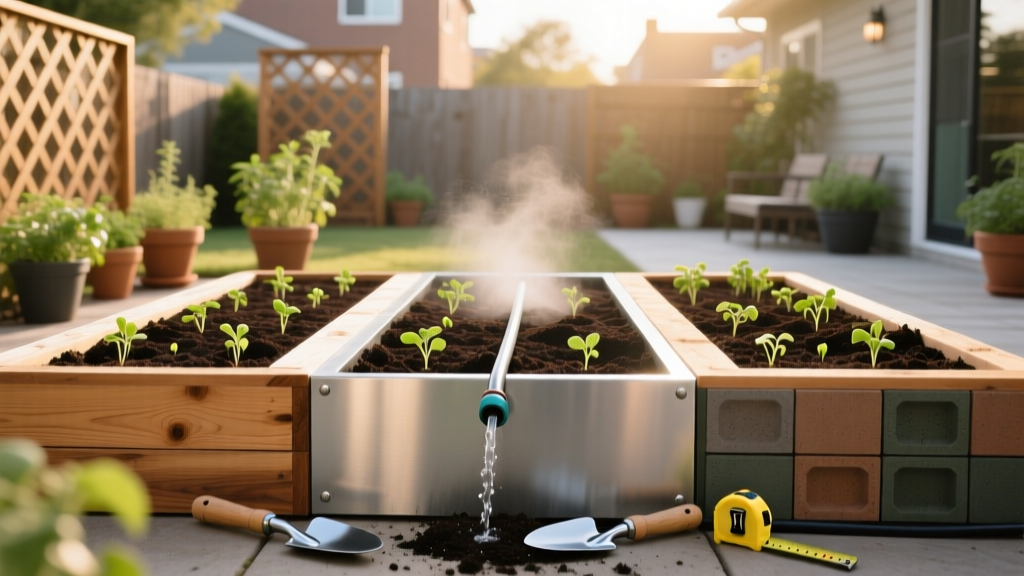
Raised Bed Garden Cost Breakdown: A Budgeting Guide
Emily WatsonPublished
Introduction to Raised Bed Budgeting
Bridging the gap between your outdoor landscape and your indoor kitchen table starts with a well-planned garden. Raised bed gardening has surged in popularity due to its superior drainage, reduced weed pressure, and ergonomic benefits. However, many homeowners dive into this DIY project without a clear financial roadmap, leading to unexpected expenses at the hardware store and garden center. Whether you are looking to grow organic heirloom tomatoes, crisp leafy greens, or root vegetables, understanding the true cost of building and maintaining a raised bed is crucial for a sustainable garden-to-table lifestyle.
In this comprehensive cost and budgeting guide, we will break down the expenses associated with constructing a standard 4-foot by 8-foot raised bed. We will examine frame materials, the often-underestimated cost of soil, smart irrigation integrations, and long-term maintenance. By the end of this guide, you will have a precise budget framework to help you maximize your return on investment while keeping your landscaping costs in check.
Frame Materials: The Foundation of Your Budget
The most visible expense in your raised bed project is the frame. The material you choose will dictate not only your upfront costs but also the lifespan of your garden bed and the safety of your edible crops. Below is a detailed comparison of the most popular materials used in modern energy-efficient and sustainable landscaping.
| Material | Estimated Cost (4x8 Bed) | Lifespan | Pros & Cons |
|---|---|---|---|
| Untreated Cedar | $120 - $180 | 10 - 15 Years | Naturally rot-resistant and safe for organics. Higher upfront cost. |
| Galvanized Steel | $90 - $140 | 20+ Years | Modern aesthetic, highly durable. Can heat soil in extreme climates. |
| Composite (Recycled) | $200 - $300 | 25+ Years | Zero maintenance, eco-friendly. Most expensive upfront option. |
| Pressure-Treated Pine | $50 - $80 | 7 - 10 Years | Budget-friendly. Modern treatments are safer, but some gardeners avoid them for edibles. |
For homeowners focused on organic garden-to-table cooking, untreated cedar or galvanized steel are the top recommendations. While composite materials offer a lifetime warranty and a sleek look that pairs well with modern outdoor furniture and decor, the premium price tag often pushes it out of budget for multi-bed layouts.
The Hidden Cost: Soil and Amendments
The most common budgeting mistake DIY gardeners make is underestimating the volume and cost of soil. A standard 4x8 foot bed that is 12 inches deep requires exactly 32 cubic feet of soil. If you are buying bagged soil from a big-box store at $8 per 1.5-cubic-foot bag, you will need 22 bags, totaling roughly $176 just for the dirt. This is where bulk purchasing and smart soil blending become essential budgeting strategies.
The Ideal Soil Recipe on a Budget
Instead of buying pre-mixed 'raised bed soil' in bags, horticulture experts recommend blending your own medium. This ensures optimal drainage and nutrient retention while saving money. A modified version of the famous 'Mel's Mix' is highly effective:
- 1/3 Compost (11 cubic feet): Sourced locally from municipal recycling centers or landscape supply yards. Bulk compost typically costs $25 to $40 per cubic yard (27 cubic feet). Cost: ~$15.
- 1/3 Coir or Peat Moss (11 cubic feet): Coconut coir is the more sustainable, eco-friendly choice. A compressed block expands to yield several cubic feet for about $30. Cost: ~$30.
- 1/3 Coarse Vermiculite (11 cubic feet): Essential for moisture retention and aeration. A large 4-cubic-foot bag costs around $35. You will need three bags. Cost: ~$105.
Total Bulk/Blend Soil Cost: Approximately $150. While the savings over bagged soil might seem marginal for a single bed, the quality of a custom-blended soil is vastly superior, and the savings multiply exponentially if you are building three or more beds.
Smart Irrigation and Watering Systems
Integrating smart home technology into your garden is a hallmark of modern, energy-efficient landscaping. Hand-watering a raised bed is not only time-consuming but often leads to water waste and fungal diseases on edible plants. Budgeting for a drip irrigation system is a non-negotiable for serious gardeners.
A basic drip irrigation kit, such as those offered by Rain Bird or DIG, costs between $30 and $45. These kits include the mainline tubing, emitters, and connectors needed to snake through a 4x8 bed. However, to truly optimize water usage and reduce your utility bills, you should pair this with a smart hose timer.
Smart timers like the Orbit B-hyve or Rachio Smart Hose Timer connect to your home Wi-Fi and adjust watering schedules based on local weather forecasts and soil moisture levels. Budget an additional $40 to $60 for a smart timer. This initial $75 to $105 investment in smart irrigation typically pays for itself in a single season through reduced water waste and healthier, higher-yielding crops.
Hardware, Liners, and Pest Control
Do not forget the small hardware items that hold the project together and protect your investment. If you are building a wood frame, you will need exterior-grade structural screws (such as GRK or Deckmate brands), which cost about $15 per box. Corner brackets can add another $20 but significantly extend the life of a wooden bed by preventing bowing.
If your yard is prone to burrowing pests like gophers or moles, you must line the bottom of your raised bed with galvanized hardware cloth (1/2 inch mesh). A 4x8 sheet of hardware cloth costs approximately $25. Skipping this step in affected areas can result in the total loss of your root vegetables and the structural undermining of your soil base.
Complete Budget Tiers for a Single 4x8 Bed
To help you plan your seasonal home maintenance and landscaping budget, here are three distinct pricing tiers for a single 4x8 raised bed, fully planted and irrigated.
| Budget Tier | Materials Used | Estimated Total Cost |
|---|---|---|
| The Frugal DIYer | Pressure-treated pine, bagged generic topsoil/compost mix, hand-watering, no bottom liner. | $130 - $160 |
| The Smart Gardener | Galvanized steel kit, custom bulk soil blend, hardware cloth liner, basic drip irrigation with smart timer. | $280 - $340 |
| The Premium Landscape | Composite decking materials, premium organic bagged soil mix, trellis add-ons, automated smart drip system, decorative pathway mulch. | $450 - $600+ |
Expert Advice and Money-Saving Strategies
When budgeting for edible landscaping, safety and longevity should never be compromised for a cheaper price tag. According to the University of Maryland Extension Service, homeowners must be highly selective about the materials used for edible gardens, particularly regarding older pressure-treated woods or recycled materials like railroad ties, which can leach harmful creosote or heavy metals into the soil.
'Always test your soil before planting, especially if you are using recycled materials or building in older urban landscapes where lead contamination may be present. A basic soil test from a university extension office costs less than $20 and can save you from growing crops in unsafe conditions.' - University of Maryland Extension, Home & Garden Information Center
Another expert strategy for budgeting is to utilize vertical space. Instead of building multiple wide beds, invest in a single bed and add a $40 cattle panel trellis. This allows you to grow vining crops like indeterminate tomatoes, cucumbers, and pole beans vertically, effectively doubling your yield per square foot without the cost of additional soil and framing.
Final Thoughts on Garden ROI
While the upfront costs of a raised bed garden can seem steep, the return on investment extends far beyond the financial savings on grocery bills. A well-maintained 4x8 raised bed can yield over 100 pounds of fresh, organic produce annually, easily offsetting the initial $300 investment in the first year. Furthermore, the integration of smart irrigation and sustainable materials aligns your outdoor space with modern, energy-efficient home standards, potentially boosting your property's curb appeal and market value. By carefully selecting your materials, sourcing soil in bulk, and embracing smart watering technology, you can build a thriving garden-to-table oasis that respects both your budget and the environment.
