Gardening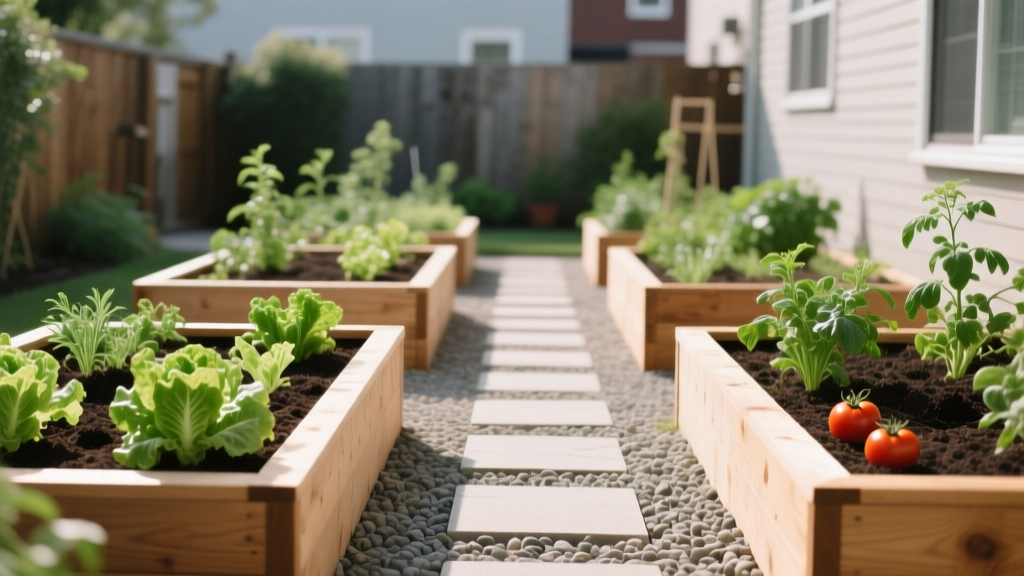
Raised Bed Garden Layouts: Planning Small Backyard Spaces
Robert HayesPublished
Introduction to Raised Bed Garden Planning
Designing a vegetable and flower garden in a small backyard requires a strategic approach to maximize every square inch of available space. Unlike traditional in-ground row gardening, raised bed garden layouts offer superior soil drainage, earlier warming in the spring, and a defined aesthetic that transforms a chaotic yard into a structured, productive oasis. However, the success of your garden hinges entirely on the initial planning phase. Before you purchase a single plank of cedar or a bag of compost, you must map out your space, understand sun exposure, and calculate the precise dimensions required for both plant health and human ergonomics.
From an urban courtyard to a modest suburban lot, the principles of spatial planning remain the same. You must balance the growing area with the negative space required for pathways, tool access, and harvesting. In this comprehensive guide, we will break down the exact measurements, layout designs, and material considerations needed to plan a high-yield raised bed garden that thrives season after season.
The Golden Rules of Raised Bed Dimensions
The most common mistake novice gardeners make is building beds that are too wide. If a bed is wider than your arm's reach, you will inevitably be forced to step into the growing area, which defeats the primary purpose of a raised bed: preventing soil compaction. According to horticultural best practices, the maximum width for a raised bed accessible from both sides is four feet. If the bed is placed against a fence or wall and is only accessible from one side, the maximum width should be reduced to two and a half or three feet.
Length is entirely dependent on your available space and the standard lengths of your building materials. Utilizing 8-foot or 12-foot lumber reduces the need for cross-cuts and minimizes wood waste. However, beds longer than 12 feet can become cumbersome to navigate and may require cross-bracing in the center to prevent the wood from bowing outward under the immense hydrostatic pressure of wet soil.
Optimal Soil Depth for Various Crops
The depth of your raised bed dictates what you can successfully grow. While shallow beds are cheaper to fill, they limit your crop rotation options. Here is a breakdown of depth requirements based on root system architecture:
- 6 to 8 inches: Ideal for shallow-rooted crops like lettuce, spinach, radishes, strawberries, and most annual herbs.
- 10 to 12 inches: The standard depth for a mixed vegetable garden. Accommodates beans, peas, cucumbers, peppers, and bush tomatoes.
- 18 to 24 inches: Necessary for deep-rooted crops such as carrots, parsnips, potatoes, and indeterminate beefsteak tomatoes. This depth also provides better moisture retention in arid climates.
Strategic Pathway Planning and Material Selection
Pathways are the arteries of your garden layout. They must be wide enough to accommodate your body, your tools, and your harvest baskets. A minimum width of 18 inches is required for simple foot traffic, allowing you to crouch and weed comfortably. However, if you plan to use a standard garden wheelbarrow or a rolling garden cart, your main thoroughfares must be at least 30 to 36 inches wide.
When planning your layout, consider the long-term maintenance of your pathways. Bare dirt paths will quickly become muddy and host weed seeds. Below is a comparison of popular pathway materials, their estimated costs, and their functional benefits.
| Pathway Material | Est. Cost (Per Sq. Ft.) | Pros & Cons | Best Used For |
|---|---|---|---|
| Arborist Wood Chips | $0.00 - $0.10 | Often free; suppresses weeds well. Breaks down and requires annual topping up. | Main thoroughfares, rustic designs, budget-conscious plans. |
| Pea Gravel | $1.50 - $3.00 | Excellent drainage; permanent. Can be uncomfortable to kneel on; requires landscape fabric underneath. | Formal gardens, high-traffic utility paths, wet climates. |
| Flagstone / Pavers | $8.00 - $15.00+ | Highly aesthetic; easy to clean. Expensive; requires a leveled sand base to prevent heaving. | Patio-adjacent gardens, ADA-accessible layouts, courtyards. |
| Living Paths (Clover) | $0.25 - $0.50 | Fixes nitrogen; soft to walk on. Requires occasional mowing or trimming. | Permaculture designs, large properties, eco-friendly layouts. |
Top Three Layout Designs for Small Yards
When arranging your beds, the geometric layout will dictate your garden's flow and visual appeal. Here are three highly effective layouts tailored for small to medium-sized backyards.
1. The U-Shape (Horseshoe) Layout
The U-shape layout is perfect for gardens situated in the corner of a yard or against a back fence. By building a continuous horseshoe-shaped bed (or placing three rectangular beds in a U formation), you create a centralized 'command center' where you can stand in the middle and reach nearly all your plants without taking a step. This design maximizes edge space, which is highly beneficial for companion planting and attracting pollinators.
2. The Grid (Parterre) Layout
Inspired by formal French kitchen gardens, the grid layout utilizes uniformly sized square or rectangular beds (e.g., four 4x4 foot beds) separated by intersecting pathways. This design is visually striking and highly organized. It is ideal for gardeners who practice strict crop rotation, as each distinct box can be dedicated to a specific plant family (e.g., brassicas, solanaceae, alliums, and legumes), making seasonal soil amendment and pest management incredibly straightforward.
3. The Keyhole Garden Layout
Originally developed in arid regions of Africa, the keyhole garden is a circular raised bed with a wedge cut out of one side, allowing the gardener to step into the center. This design offers the highest ratio of growing space to pathway space. A central composting basket is often placed in the middle, allowing nutrients and moisture to wick outward to the plant roots. This is an exceptional layout for extremely tight spaces where traditional pathways would consume too much valuable real estate.
Sun Mapping and Microclimate Orientation
A beautiful layout will fail if it is placed in the shade. Before finalizing your garden plan, you must conduct a sun map of your yard. Observe your space over a full 12-hour period during the peak of summer to identify areas that receive unfiltered light. Most fruiting vegetables (tomatoes, peppers, squash) require a minimum of six to eight hours of direct sunlight, while leafy greens and root crops can tolerate partial shade (four to six hours).
"When planning your garden layout, orient your raised beds in a North-South direction. This alignment ensures that the sun passes over the length of the bed, providing even sunlight distribution to all plants and minimizing the shading of shorter crops by taller ones."
— University of Maryland Extension, Home and Garden Information Center
If your layout must run East-West due to the shape of your yard, place your tallest, trellised crops (like pole beans and indeterminate tomatoes) on the northernmost edge of the bed. This prevents them from casting a shadow over the lower-growing plants situated on the southern edge of the same bed.
Soil Volume Calculations and Budgeting
Filling raised beds is often the most expensive component of garden planning. To calculate the volume of soil needed, use the formula: Length (ft) x Width (ft) x Depth (ft) = Cubic Feet. For example, a standard 4x8 foot bed that is 10 inches deep (0.83 feet) requires approximately 26.5 cubic feet of soil. Since most bulk compost and topsoil are sold by the cubic yard (27 cubic feet), one cubic yard will perfectly fill one standard 4x8 bed with a small buffer for settling.
For the optimal soil structure, avoid using 100% native topsoil, which will compact heavily in a raised environment. Instead, utilize a modified 'Mel's Mix' or a premium raised bed blend consisting of 40% high-quality screened topsoil, 40% organic compost (such as mushroom compost or composted cow manure), and 20% aeration material (coarse vermiculite or perlite). This mixture ensures the perfect balance of moisture retention, nutrient density, and drainage required for intensive small-space gardening.
Conclusion
Designing a raised bed garden layout is an exercise in balancing horticultural science with landscape architecture. By adhering to strict dimensional guidelines, selecting durable pathway materials, orienting your beds to maximize solar gain, and investing in a premium soil matrix, you are setting the stage for decades of gardening success. Take the time to measure twice, map your sun, and plan your pathways, and your small backyard will soon yield a harvest that rivals much larger, less thoughtfully designed plots.
