Pest Control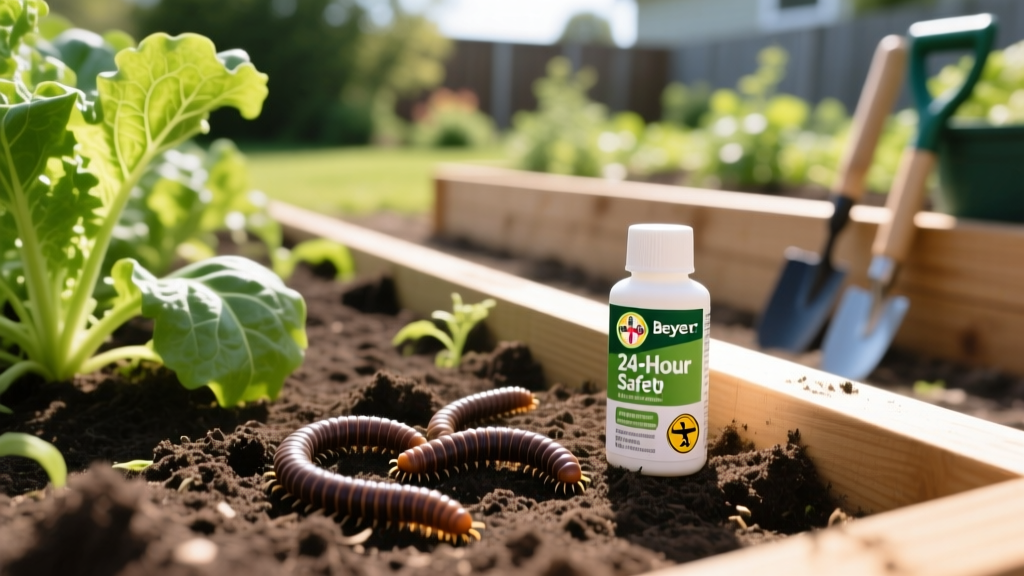
Raised Bed Grub ID & Bayer Advanced 24-Hour Facts 2026
Robert HayesPublished
The Hidden Threat Beneath Your Raised Beds
Raised bed vegetable gardening has seen a massive resurgence in the 2026 gardening season, with home growers prioritizing soil health, optimized drainage, and high-yield organic crops. However, importing topsoil, compost, and mulch can inadvertently introduce destructive pests into your pristine garden ecosystem. Among the most devastating of these are grub worms—the larval stage of various scarab beetles. While grubs are traditionally viewed as a turfgrass problem, they can wreak havoc on the shallow root systems of vegetables like carrots, potatoes, radishes, and young transplants.
When gardeners discover grubs in their raised beds, a common knee-jerk reaction is to reach for fast-acting chemical solutions like Bayer Advanced 24-Hour Grub Killer. However, applying turf-specific pesticides to edible crops is not only dangerous but illegal. In this comprehensive 2026 guide, we will cover how to accurately identify grub worms in your vegetable garden, the critical safety facts surrounding Bayer Advanced 24-Hour treatment, and the most effective Integrated Pest Management (IPM) strategies to protect your harvest without compromising your health.
How to Identify Grub Worms in Vegetable Gardens
Before applying any treatment, proper identification is essential. Grub worms are the immature, larval stage of beetles such as the Japanese beetle, June bug, and European chafer. They live in the soil and feed on organic matter and plant roots. According to Penn State Extension, identifying the specific species can help you predict their life cycle and timing, though general identification is usually sufficient for raised bed management.
Physical Characteristics of Grubs
- Shape: Grubs typically rest in a distinctive 'C' shape when disturbed or unearthed.
- Color: They feature a plump, creamy-white or grayish body with a distinct brown or orange-brown head capsule.
- Legs: They possess three pairs of jointed legs located just behind the head.
- Size: Depending on the species and instar (growth stage), they range from 1/4 inch to over 1 inch in length.
Signs of Grub Damage in Raised Beds
Unlike lawns where grubs cause brown, rolling patches of dead turf, damage in raised vegetable beds presents differently. You may notice sudden wilting of well-watered plants, stunted growth, or severed taproots. Root crops like carrots and potatoes may feature deep, scarring chew marks or secondary rot from soil-borne pathogens entering the wounds. Furthermore, foraging animals like raccoons, skunks, and birds may tear up your raised bed soil at night searching for the protein-rich larvae.
| Species | Adult Beetle | Typical Size | Primary Garden Threat |
|---|---|---|---|
| Japanese Beetle | Japanese Beetle | 1/2 to 3/4 inch | High; adults also defoliate vegetable foliage |
| European Chafer | European Chafer | 1/2 to 5/8 inch | High; aggressive root feeding in loose raised bed soil |
| June Bug (Phyllophaga) | June Bug / May Beetle | 3/4 to 1 inch | Moderate; multi-year life cycle causes long-term damage |
The Truth About Bayer Advanced 24-Hour Grub Killer
Bayer Advanced 24-Hour Grub Killer Plus is a highly popular, fast-acting pesticide designed specifically for turfgrass. Its active ingredient is Trichlorfon (often known by the brand name Dylox). Trichlorfon is an organophosphate insecticide that works as a contact and stomach poison, disrupting the nervous system of the grub and causing death within 24 hours of application. It is a favored choice for lawn care professionals dealing with acute, late-season grub infestations because it does not require weeks to become active, unlike preventive treatments.
Critical Safety Warning: Not for Edible Raised Beds
If you are reading this to find out how to apply Bayer Advanced 24-Hour Grub Killer directly into your raised vegetable beds, you must stop immediately. Trichlorfon is not labeled for use on or around edible crops, vegetables, fruits, or herbs. The EPA emphasizes that using a pesticide in a manner inconsistent with its labeling is a violation of federal law (FIFRA) and poses severe health risks to you and your family. Organophosphates can leave toxic residues in the soil, which can be taken up by the root systems of your vegetables, leading to contaminated food.
In 2026, with heightened awareness surrounding soil microbiome health and organic food safety, using turf-only chemicals in edible gardens is strongly condemned by agricultural extensions and master gardeners alike.
The Perimeter Defense Strategy
While you cannot use Bayer Advanced 24-Hour inside the raised bed, it can play a role in your broader garden IPM strategy if you have a surrounding turf lawn. Adult beetles (like Japanese beetles) prefer to lay their eggs in moist, lush turfgrass during mid-summer. By applying Bayer Advanced 24-Hour Grub Killer to your lawn (keeping a strict buffer zone away from your edible soil), you can eliminate the breeding ground surrounding your garden. This reduces the local population of adult beetles that would otherwise migrate to your raised beds to feed on your vegetables and lay the next generation of eggs.
Safe, Effective Grub Treatments for Raised Vegetable Beds
Since chemical turf grub killers are off-limits for raised beds, what should you use to save your 2026 vegetable harvest? Fortunately, biological and organic controls are highly effective in the confined, loose soil environment of a raised bed.
1. Beneficial Nematodes (Heterorhabditis bacteriophora)
Beneficial nematodes are microscopic, unsegmented worms that naturally occur in soil. The Hb strain specifically hunts down and infects white grubs. Once inside the grub, the nematode releases bacteria that kills the pest within 48 hours. You can purchase live nematodes online or at garden centers (typically costing around $30-$45 per million nematodes in 2026). Apply them to your raised beds in the late summer or early fall when grubs are small and actively feeding near the soil surface. They require moist soil and should be applied in the evening or on a cloudy day to protect them from UV light.
2. Milky Spore Disease (Paenibacillus popilliae)
Milky Spore is a naturally occurring bacterium that specifically targets Japanese beetle grubs. When the grub ingests the spores while feeding on roots, the bacteria multiply, turning the grub's internal fluids a milky white and eventually killing it. As the grub decays, it releases billions of new spores into your raised bed soil. While it can take 1 to 3 years to establish a full protective matrix in the soil, a single application can protect your beds for 10 to 15 years. It is 100% safe for humans, pets, and earthworms.
3. Manual Removal and Soil Turning
Because raised beds are contained and the soil is generally loose and friable, manual removal is a highly viable option. When preparing your beds in early spring or late fall, gently turn the top 6 inches of soil with a hand trowel or broadfork. Expose the overwintering grubs to the surface, and either hand-pick them into a bucket of soapy water or let foraging birds clean them up for you.
Integrated Pest Management (IPM) for Long-Term Prevention
As noted by University of Kentucky Entomology, understanding the life cycle of scarab beetles is key to long-term IPM. Preventing grubs from establishing in your raised beds requires a multi-pronged approach that targets both the larvae in the soil and the adults in the air.
- Adult Beetle Traps: Place pheromone and floral lure traps at the perimeter of your property (far away from your raised beds) to draw adult Japanese beetles away from your garden before they can mate and lay eggs.
- Floating Row Covers: During peak beetle flight season (usually June and July), cover your vulnerable vegetable crops with lightweight floating row covers. This physical barrier prevents adult beetles from landing on your plants to feed and subsequently dropping eggs into your raised bed soil.
- Avoid Attracting Mulches: Adult beetles are attracted to the volatile organic compounds released by decaying organic matter. Avoid using thick layers of fresh grass clippings or uncomposted manure in your raised beds during mid-summer, as these can attract egg-laying females.
- Crop Rotation and Soil Health: Maintain a robust population of predatory soil organisms (like ground beetles and rove beetles) by avoiding broad-spectrum organic pesticides like neem oil drenches, which can harm beneficial soil predators that naturally keep grub populations in check.
Conclusion
Discovering grub worms in your raised vegetable beds can be alarming, but it is a manageable issue when approached with the right knowledge. While products like Bayer Advanced 24-Hour Grub Killer are highly effective for their intended use on perimeter turf lawns, they must never cross the boundary into your edible garden soil. By relying on accurate identification, strict adherence to pesticide labeling, and the power of biological controls like beneficial nematodes and Milky Spore, you can maintain a thriving, chemical-free raised bed garden in 2026 and beyond. Protect your soil, protect your harvest, and let nature's IPM strategies do the heavy lifting.