Gardening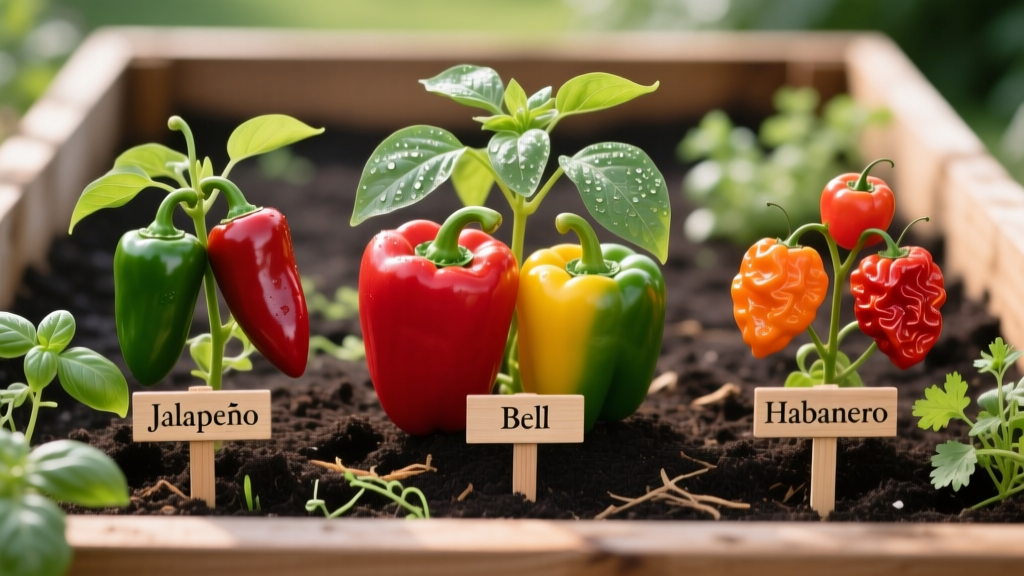
2026 Raised Bed Pepper Guide: Jalapeno vs Bell vs Habanero
James MillerPublished
Introduction to Raised Bed Pepper Gardening in 2026
As we navigate the 2026 gardening season, home growers are increasingly turning to raised bed vegetable gardening to maximize yields and overcome unpredictable spring weather. Among the most rewarding crops to cultivate in these controlled environments are peppers. Whether you prefer the mild, crisp crunch of a bell pepper, the versatile, medium-heat kick of a jalapeno, or the fiery, fruity intensity of a habanero, raised beds offer the perfect foundation for success. Peppers (Capsicum species) are heat-loving plants that demand warm soil, excellent drainage, and consistent nutrition—all of which are significantly easier to manage in a raised bed than in traditional in-ground rows.
The Raised Bed Advantage for Capsicums
Peppers are notoriously sensitive to cold, wet soil, which can stunt their growth or lead to devastating root diseases. Raised beds solve this problem by elevating the soil profile, allowing it to drain more efficiently and warm up much faster in the spring. According to the University of Minnesota Extension, peppers require soil temperatures of at least 65°F to 70°F for optimal root development. In 2026, with shifting climate patterns causing erratic spring chills in many zones, the thermal mass and superior drainage of a raised bed are critical for getting your pepper transplants off to a strong start.
Furthermore, raised beds allow you to completely customize your soil profile. Instead of battling heavy clay or nutrient-poor sandy loam, you can engineer a perfect, loamy mix tailored specifically to the heavy feeding requirements of fruiting crops like peppers.
Jalapeno vs. Bell vs. Habanero: The Ultimate Comparison Chart
Choosing which peppers to grow depends on your culinary preferences, your local climate zone, and the physical dimensions of your raised beds. Below is a comprehensive comparison of these three popular varieties to help you plan your 2026 garden layout.
| Trait | Bell Pepper | Jalapeno | Habanero |
|---|---|---|---|
| Scoville Heat Units (SHU) | 0 (Sweet) | 2,500 - 8,000 | 100,000 - 350,000 |
| Days to Maturity | 60-90 days | 70-85 days | 90-110 days |
| Plant Height | 18-24 inches | 24-36 inches | 24-36 inches |
| Spacing in Raised Beds | 18-24 inches | 14-18 inches | 18-24 inches |
| Yield per Plant | 5-10 large fruits | 25-40 fruits | 50-100+ small fruits |
| Best Raised Bed Depth | 12 inches minimum | 10 inches minimum | 12 inches minimum |
As noted by Penn State Extension, habaneros belong to the Capsicum chinense species, which generally requires a longer, hotter growing season than the Capsicum annuum species that includes both bell and jalapeno peppers. If you live in a northern climate with a shorter growing season, you may need to start habaneros indoors 10 to 12 weeks before your last frost date, whereas jalapenos and bells can be started 8 weeks prior.
Soil Preparation and Nutrient Requirements
The foundation of a thriving raised bed pepper garden is its soil. For the 2026 season, the ideal raised bed soil mix for peppers consists of 40% high-quality topsoil, 40% well-aged organic compost, and 20% aeration material such as perlite, pumice, or coarse sand. This blend ensures the soil retains moisture without becoming waterlogged.
Peppers thrive in a slightly acidic to neutral soil pH, ideally between 6.2 and 6.8. Testing your soil pH early in the spring is a non-negotiable step for serious growers. Many municipal composts tend to lean alkaline, which can lock up essential micronutrients like iron and magnesium, leading to chlorosis (yellowing leaves). If your test reveals a pH above 7.0, incorporate elemental sulfur or peat moss into your raised bed mix a few weeks before planting to gently lower the pH.
Before transplanting, amend your raised bed with a balanced, slow-release organic fertilizer. Products like Espoma Garden-tone (3-4-4) or Dr. Earth Organic Tomato, Vegetable & Herb Fertilizer are excellent choices. Incorporate about 3 pounds of fertilizer per 10 square feet of bed space, working it into the top 6 inches of soil.
Pro-Tip for 2026: Blossom end rot, a common physiological disorder caused by calcium uptake issues, frequently plagues pepper growers. To prevent this, mix a handful of crushed oyster shell or agricultural lime into the planting hole of each pepper to provide a slow-release calcium source throughout the season.
Spacing, Planting, and Support Structures
Proper spacing is vital for airflow and disease prevention, especially in the humid microclimates that can sometimes develop in raised beds. While traditional row gardening dictates wide spacing, raised bed intensive planting allows for slightly tighter configurations, provided you maintain adequate air circulation.
- Bell Peppers: Space these 18 to 24 inches apart. Their heavy, thick-walled fruits require sturdy support. Install tomato cages or heavy-duty wooden stakes at the time of planting to avoid damaging the root system later.
- Jalapenos: Space 14 to 18 inches apart. Jalapeno plants are generally prolific and robust. A single central stake or a small cage is usually sufficient to keep the branches from snapping under the weight of a heavy late-summer harvest.
- Habaneros: Space 18 to 24 inches apart. Habanero plants can become quite bushy and top-heavy. Use a Florida weave trellising system or individual stakes to support the main stem.
When transplanting, plant peppers slightly deeper than they were in their nursery pots, burying the stem up to the first set of true leaves. This encourages a stronger, more extensive root system, much like planting tomatoes.
Watering and Climate Management
Consistent moisture is the secret to thick-walled, crunchy bell peppers and prolific jalapeno yields. Peppers require about 1 to 2 inches of water per week, depending on the heat. In 2026, investing in a smart drip irrigation system with a soil moisture sensor is highly recommended for raised beds, as they tend to dry out faster than in-ground gardens.
Overwatering is just as dangerous as underwatering. Soggy soil deprives roots of oxygen and invites pathogens like Phytophthora blight. The 'knuckle test' is a reliable low-tech method: insert your index finger into the soil up to the second knuckle. If it feels dry at that depth, it is time to irrigate. If it feels moist, wait another day. Water deeply at the base of the plant, avoiding overhead watering which can promote fungal diseases like powdery mildew and bacterial leaf spot.
Apply a 2-inch layer of organic mulch—such as straw, shredded leaves, or untreated grass clippings—around the base of the plants. Mulch regulates soil temperature, suppresses weeds, and drastically reduces water evaporation from the raised bed.
Heat Stress Management: While peppers love heat, extreme daytime temperatures exceeding 90°F can cause blossom drop, where flowers fall off before pollinating. According to The Old Farmer's Almanac, using a 30% to 50% shade cloth during the peak afternoon sun in mid-summer can protect your plants from heat stress and keep them producing fruit continuously.
Companion Planting in the Raised Bed
Maximize your raised bed space and naturally deter pests through strategic companion planting. Peppers benefit greatly from being surrounded by the right botanical neighbors.
- Basil: Planting basil near your peppers is a classic technique. Basil is believed to improve the flavor of peppers and its strong scent helps repel thrips, aphids, and spider mites.
- Marigolds: French marigolds secrete a substance from their roots that deters root-knot nematodes, a microscopic pest that can devastate pepper roots. Plant them along the borders of your raised bed.
- Alliums (Garlic, Onions, Chives): The pungent aroma of alliums confuses and repels many common insect pests.
What to Avoid: Never plant peppers near fennel, which can inhibit their growth, or near brassicas (cabbage, broccoli, kale) which have vastly different water and nutrient requirements and can outcompete peppers in a confined raised bed space.
Harvesting and Post-Harvest Handling
Knowing exactly when to harvest depends on the variety and your culinary goals. Bell peppers can be harvested when they are fully sized and firm, even if they are still green. However, allowing them to ripen to red, yellow, or orange on the vine significantly increases their vitamin C content and sweetness.
Jalapenos are typically harvested when they are a deep, glossy green, usually around 3 to 4 inches long. If you prefer a sweeter, hotter flavor with a smoky undertone, allow them to turn bright red on the plant. Habaneros should be left on the plant until they reach their final mature color—usually a vibrant orange, red, or chocolate brown, depending on the cultivar.
Always use clean, sharp pruning shears or scissors to harvest peppers. Snip the stem about a quarter-inch above the fruit. Pulling or twisting the peppers off the plant can easily break the brittle branches, especially on heavy-yielding jalapeno and habanero varieties.
Conclusion
Raised bed vegetable gardening offers an unparalleled level of control over the growing environment, making it the absolute best method for cultivating jalapenos, bell peppers, and habaneros in 2026. By understanding the unique spacing, soil, and climate requirements of each variety, you can transform your raised beds into a highly productive, vibrant pepper paradise. Prepare your soil, set up your drip irrigation, and get ready for your most flavorful harvest yet.
