Gardening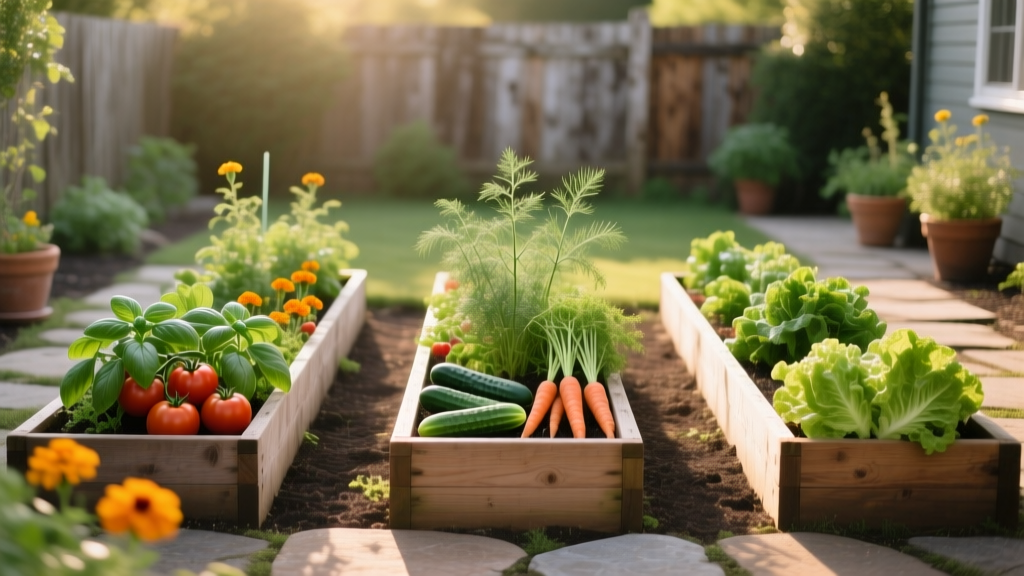
Raised Bed Kitchen Garden Design: Layouts and Planning
Sarah ChenPublished
Designing the Modern Potager: Raised Bed Kitchen Gardens
The traditional kitchen garden, or potager, has evolved from the formal, ornamental vegetable plots of French monasteries into a highly functional, space-efficient cornerstone of modern homesteading. Unlike traditional in-ground row cropping, which requires heavy tilling and vast footprints, a raised bed kitchen garden prioritizes intensive planting, superior soil control, and aesthetic integration into your landscape. Whether you are working with a compact urban backyard or a sprawling suburban lot, intentional design and planning are the keys to transforming a patch of grass into a high-yielding culinary oasis.
Planning a raised bed kitchen garden requires more than just buying lumber and dumping dirt. It involves microclimate analysis, material selection, soil engineering, and strategic plant placement. This comprehensive guide will walk you through the exact dimensions, costs, and layout strategies needed to design a productive and beautiful kitchen garden.
Site Selection and Sun Mapping
Before you purchase a single bag of soil or order a raised bed kit, you must understand the light dynamics of your yard. Most fruiting crops, such as tomatoes, peppers, and eggplants, require a minimum of six to eight hours of direct sunlight daily. Root vegetables and leafy greens can tolerate partial shade, but a true kitchen garden thrives in full sun.
Do not rely on guesswork. Use a sun-tracking app like Sun Surveyor or simply place a wooden stake in the center of your proposed garden site and track the shadow movement from 8:00 AM to 6:00 PM during the peak summer solstice. Avoid areas shaded by the house, large deciduous trees, or tall fences. Additionally, consider proximity to your kitchen and a water source. A kitchen garden should be a convenient extension of your culinary space; if it is too far away or difficult to water, it will inevitably fall into neglect during the heat of late July.
Dimensions, Materials, and Costs
The golden rule of raised bed design is accessibility. According to the University of Minnesota Extension, raised beds should be no wider than 4 feet if accessible from both sides, or 2 feet if placed against a wall or fence. This ensures you can reach the center of the bed to harvest and weed without stepping on and compacting the soil.
For length, 8 feet is the standard, as it aligns perfectly with standard lumber sizing and minimizes waste. Depth is equally critical. While 10 to 12 inches is sufficient for shallow-rooted crops like lettuce and radishes, a depth of 17 to 18 inches is highly recommended for deep-rooted crops like indeterminate tomatoes, carrots, and parsnips.
Material Options and Budgeting
- Untreated Cedar or Redwood: The traditional choice. Naturally rot-resistant and aesthetically pleasing. Expect to spend $150 to $250 per 4x8x12-inch bed if building from scratch using 2x6 or 2x10 boards.
- Galvanized Steel Kits: Brands like Vego Garden and Birdies offer modular, corrugated steel beds that are incredibly durable, pest-resistant, and easy to assemble. A standard 17-inch tall, 4x8-foot modular kit typically costs between $200 and $350.
- Composite Lumber: Made from recycled plastics and wood fibers. These beds will never rot and require zero maintenance, though they come at a premium price point of $300 to $450 per bed.
Pathway Planning and Accessibility
A well-designed kitchen garden requires proper infrastructure for movement and maintenance. Pathways between raised beds should be a minimum of 36 inches wide. This specific measurement allows a standard garden wheelbarrow or lawn cart to pass through comfortably without damaging the bed edges or crushing overhanging foliage.
For pathway materials, avoid bare soil, which will quickly become a muddy, weed-choked mess. Lay down a heavy-duty, permeable landscape fabric, such as DeWitt Pro-Tex, to suppress weeds while allowing water to drain. Top the fabric with 3 to 4 inches of crushed gravel (3/8-inch minus is ideal for a firm, compactable surface) or free arborist woodchips. Woodchips will eventually break down and improve the surrounding soil biology, but they will need to be topped up every two to three years.
The Ideal Soil Matrix
The soil in your raised beds is the engine of your garden. Never fill a raised bed with native topsoil or cheap 'garden soil' bags from a big-box store; these materials are too dense and will compact severely in a confined space, suffocating plant roots.
According to the University of Minnesota Extension, the ideal raised bed soil mix should be lightweight, well-draining, and rich in organic matter. They recommend a blend consisting of roughly 50% high-quality compost, 25% coconut coir or peat moss for moisture retention, and 25% perlite or vermiculite for aeration and drainage.
For a standard 4x8-foot bed that is 12 inches deep, you will need exactly 32 cubic feet of soil. You can purchase pre-mixed premium raised bed soils, such as FoxFarm Ocean Forest or Kellogg Garden Organics Raised Bed Mix, which cost about $12 to $15 per 1.5-cubic-foot bag. Alternatively, buying in bulk from a local landscape supply yard—ordering a custom 'garden mix' of compost, pumice, and coir—can reduce your soil costs by up to 40%.
Layout Strategies and Plant Spacing
To maximize yield in a small footprint, abandon traditional row planting. Instead, utilize a grid-based layout inspired by Square Foot Gardening principles. By planting in dense, offset grids, you create a living mulch that shades the soil, retains moisture, and suppresses weed germination.
Below is a planning chart for a standard 4x8-foot raised bed, detailing optimal spacing and estimated yields for popular kitchen garden crops.
| Crop Variety | Grid Spacing | Plants per 4x8 Bed | Estimated Seasonal Yield |
|---|---|---|---|
| Indeterminate Tomatoes | 24 inches | 8 plants | 120 - 160 lbs |
| Bell Peppers | 18 inches | 12 plants | 35 - 50 lbs |
| Bush Beans | 4 inches | 72 plants | 40 - 60 lbs |
| Leaf Lettuce / Spinach | 6 inches | 32 plants | 15 - 25 lbs (cut-and-come-again) |
| Root Carrots | 3 inches | 128 plants | 10 - 15 lbs |
Vertical Elements and Trellising
A true kitchen garden design incorporates the vertical plane to save valuable ground space for sprawling or compact crops. Vining crops like cucumbers, pole beans, peas, and indeterminate tomatoes should be trained upward.
Install heavy-duty trellises on the north-facing side of your raised beds. This ensures that the tall, vining crops do not cast shade on the shorter, sun-loving plants situated in the front of the bed. Concrete remesh panels or galvanized cattle panels, secured to T-posts with heavy zip ties, provide an incredibly durable and cost-effective trellis system. A single 16-foot cattle panel costs around $30 at a local farm supply store and can be arched over a pathway to create a beautiful, productive tunnel.
Companion Planting for Pest Management
Design your garden layout to include companion plants that naturally deter pests and attract beneficial pollinators. Interplanting is a hallmark of the potager style. For example, plant French Marigolds densely around the perimeter of your tomato beds; their roots exude compounds that suppress harmful root-knot nematodes in the soil. Tuck sweet basil beneath the lower branches of your tomatoes to improve air circulation and repel hornworms. Allow herbs like dill, cilantro, and fennel to bolt and flower in a dedicated 'beneficial insect border' to attract parasitic wasps and ladybugs, which will naturally keep aphid populations in check.
Succession Planning for Continuous Harvest
A well-planned kitchen garden is never static; it is a dynamic system that changes with the seasons. To avoid the common pitfall of a massive spring harvest followed by a barren summer garden, design your layout with succession planting in mind. Dedicate specific 4x4-foot zones within your beds for quick-growing, cool-season crops like radishes, arugula, and baby spinach in early spring. Once these crops are harvested by late May, immediately amend the soil with a half-inch layer of worm castings and transplant heat-loving summer crops like bush beans or zucchini into the same space. By late August, clear out the exhausted summer crops and sow a fall harvest of kale, garlic, and overwintering onions.
Conclusion
Designing a raised bed kitchen garden is an investment in your home, your health, and your landscape. By carefully selecting your site, investing in durable materials, engineering a premium soil matrix, and utilizing intensive grid layouts, you can create a highly productive potager that rivals the aesthetic beauty of any ornamental flower bed. Start with one or two beds, master your soil and succession timing, and expand your culinary oasis season by season.
