Gardening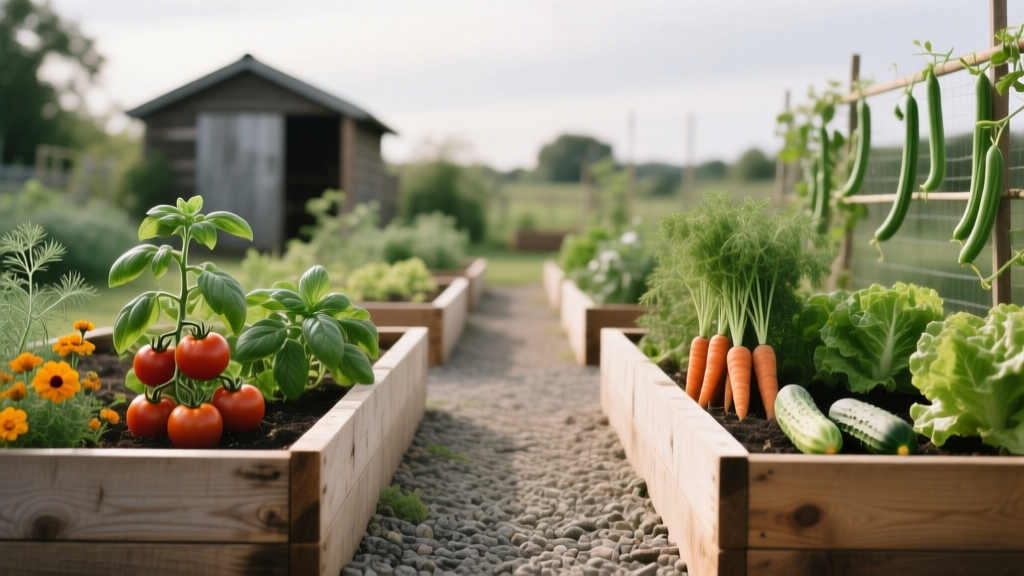
Designing a Raised Bed Kitchen Garden Layout: A Guide
James MillerPublished
Introduction to the Potager Garden Design
The traditional French potager, or kitchen garden, is a masterclass in blending aesthetic beauty with culinary utility. Unlike standard row-cropping vegetable gardens, a potager is designed to be visually striking, incorporating geometric patterns, vibrant colors, and diverse textures. When planning a raised bed kitchen garden layout, you are not merely allocating space for crops; you are designing an outdoor living space that provides a continuous harvest. This guide will walk you through the essential design principles, material selections, and spatial planning required to build a highly productive and beautiful raised bed kitchen garden in your own backyard.
Step 1: Site Selection and Sunlight Mapping
Before purchasing a single piece of lumber or a bag of soil, you must evaluate your landscape. A successful kitchen garden requires a minimum of six to eight hours of direct sunlight per day, particularly for fruiting crops like tomatoes, peppers, and squash. Spend a weekend tracking the sun patterns across your yard. Note how shadows from your house, fences, and mature trees shift throughout the day.
Proximity to the kitchen is another critical design factor. A kitchen garden should be conveniently located to encourage daily harvesting and maintenance. Ideally, place your raised beds within 50 to 100 feet of your back door. Additionally, ensure the site is relatively level to prevent soil erosion and uneven water distribution, and locate it near a reliable water source to avoid dragging heavy hoses across the lawn.
Step 2: Choosing Raised Bed Materials
The materials you choose for your raised beds will dictate the longevity, safety, and overall aesthetic of your garden. Untreated, rot-resistant woods and modern composite materials are the top choices for edible gardens. Below is a comparison of the most popular materials for a standard 4-foot by 8-foot raised bed.
| Material | Est. Cost (4x8 Bed) | Lifespan | Pros and Cons |
|---|---|---|---|
| Western Red Cedar | $120 - $160 | 10 - 15 Years | Naturally rot-resistant, beautiful aging, but can be expensive and may warp over time. |
| Galvanized Steel | $90 - $130 | 20+ Years | Highly durable, modern look, pest-proof, but soil can overheat in extreme southern climates. |
| Composite Timber | $180 - $250 | 25+ Years | Zero maintenance, will not rot or splinter, but has a high upfront cost and can look artificial. |
| Untreated Pine | $40 - $60 | 3 - 5 Years | Very affordable and easy to work with, but will rot quickly and requires frequent replacement. |
For a classic potager look, Western Red Cedar is unparalleled. If you are on a strict budget, untreated pine is acceptable, but line the interior with heavy-duty landscape fabric to extend its life and prevent soil contact.
Step 3: Dimensional Planning and Pathway Ergonomics
The physical dimensions of your raised beds are crucial for accessibility and plant health. The golden rule of raised bed width is never to exceed 4 feet. This ensures that you can reach the center of the bed from either side without stepping on the soil, which prevents compaction and maintains the fluffy, aerated structure necessary for root growth.
Length is more flexible, but 8-foot or 12-foot lengths are standard to minimize material waste. Depth should be at least 10 to 12 inches for most vegetables, though root crops like carrots and parsnips thrive in beds that are 18 inches deep.
Pathways are just as important as the beds themselves. Plan for pathways that are at least 2 feet wide for walking, or 3 feet wide if you need to navigate a wheelbarrow or garden cart. For a low-maintenance and attractive design, lay down commercial-grade woven weed barrier fabric and top it with 2 inches of crushed gravel or Arborist wood chips. This provides excellent drainage and keeps mud out of your kitchen.
Step 4: The Soil Matrix and Filling Strategy
Filling raised beds with high-quality soil is the most significant investment in your garden. Do not use native topsoil or garden soil, as it will compact heavily in a confined space. Instead, use a specialized raised bed mix. A widely respected formula is the equal-parts mix: one-third blended compost, one-third peat moss or coco coir, and one-third coarse vermiculite.
- Compost: Provides essential nutrients and microbial life. Source from multiple origins (mushroom, manure, leaf mold) for a broad nutrient profile.
- Coco Coir: Retains moisture while ensuring proper drainage. It is a more sustainable alternative to peat moss.
- Coarse Vermiculite: Keeps the soil light and aerated, preventing compaction over multiple seasons.
To fill a standard 4x8 bed that is 12 inches deep, you will need approximately 32 cubic feet of soil. Purchasing in bulk from a local landscape supply yard is significantly more cost-effective than buying bagged soil, often saving you 40 percent or more on your total soil budget.
Step 5: Spatial Arrangement and Companion Planting
Designing the internal layout of your raised beds requires an understanding of plant heights, sun angles, and companion planting. Always orient your beds north-to-south if possible. Place your tallest crops, such as indeterminate tomatoes and trellised pole beans, on the northernmost side of the bed so they do not cast shadows on shorter plants. Mid-height crops like peppers and bush beans go in the center, while low-growing crops like lettuce, radishes, and trailing herbs occupy the southern edges.
Companion planting enhances biodiversity, deters pests, and maximizes space. Here is a strategic planting chart for your kitchen garden layout:
| Primary Crop | Spacing Requirement | Beneficial Companions | Plants to Avoid |
|---|---|---|---|
| Tomatoes | 24 inches apart | Basil, Marigolds, Carrots | Brassicas, Fennel, Potatoes |
| Bush Beans | 6 inches apart | Corn, Squash, Nasturtiums | Onions, Garlic, Leeks |
| Carrots | 3 inches apart | Tomatoes, Rosemary, Sage | Dill, Parsnips, Celery |
| Zucchini | 36 inches apart | Borage, Radishes, Mint | Potatoes, Pumpkins |
Intercropping is a brilliant design technique for potagers. For example, plant fast-growing radishes between slow-growing tomato transplants. The radishes will be harvested and eaten long before the tomatoes need the extra space, effectively doubling the yield of your garden footprint.
Expert Insights and Authoritative Guidelines
When planning your layout, it is wise to consult research-backed horticultural guidelines. According to the Cornell Cooperative Extension, raised beds offer distinct microclimate advantages, warming up to two weeks earlier in the spring than in-ground gardens. However, their experts caution that this same thermal advantage means raised beds dry out faster. To mitigate this, Cornell recommends applying a 2-inch layer of organic mulch, such as straw or shredded leaves, around the base of your plants once they are established. This design choice not only conserves moisture and suppresses weeds but also adds a uniform, finished aesthetic to your kitchen garden layout.
Step 6: Incorporating Vertical Elements and Trellises
A true potager utilizes all three dimensions of space. Incorporating vertical growing structures adds architectural interest and dramatically increases your yield per square foot. Install obelisks, cattle panel arches, or wooden trellises at the north end of your raised beds.
Climbing crops such as pole beans, peas, cucumbers, and small melons thrive on vertical supports. When designing your trellis placement, ensure the structure is anchored deeply into the soil or secured to the outside of the raised bed frame to withstand heavy winds and the weight of mature, fruit-laden vines. A cattle panel arched over a 3-foot pathway creates a stunning, functional tunnel that produces food while serving as a focal point in your garden design.
Conclusion: Planning for Succession and Seasons
A well-designed kitchen garden is never truly finished; it is a dynamic canvas that changes with the seasons. As you finalize your layout, plan for succession planting. When your spring spinach and peas are pulled in early summer, have warm-season transplants like basil and cherry tomatoes ready to fill the void. By thoughtfully selecting materials, adhering to ergonomic dimensions, and leveraging companion planting grids, your raised bed kitchen garden will become a highly efficient, visually stunning extension of your home that feeds both the body and the soul.
