Gardening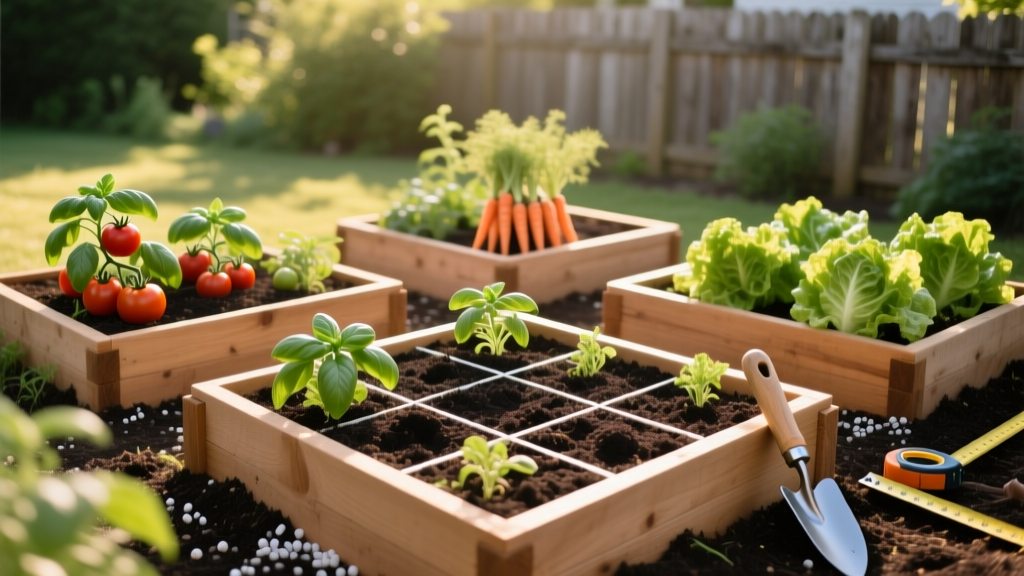
Raised Bed Kitchen Garden Layouts and Planning Guide
Mike RodriguezPublished
Designing a raised bed kitchen garden is an exercise in merging aesthetic beauty with high-yield functionality. Unlike traditional in-ground row gardening, raised beds offer superior drainage, earlier soil warming in the spring, and complete control over the soil profile. However, the difference between a thriving, productive kitchen garden and an overgrown, underperforming one lies entirely in the initial design and planning phase. By carefully considering dimensions, spatial orientation, soil engineering, and planting frameworks, you can create a garden space that supplies fresh produce and cut flowers from early spring through late autumn.
Strategic Dimension and Material Planning
The physical footprint of your raised beds dictates how you will interact with the garden for years to come. The golden rule of raised bed design is to never build a bed wider than your arm can comfortably reach. For most adults, this means a maximum width of 4 feet. If you place the bed against a fence or wall where only one side is accessible, reduce the width to 2 feet. Length is largely arbitrary, but 8 feet is the industry standard because it minimizes the need to cut lumber and reduces material waste.
Depth is another critical planning metric. While 6-inch deep beds can support shallow-rooted lettuce and herbs, a depth of 12 to 18 inches is highly recommended for a diverse kitchen garden. This deeper profile accommodates root crops like carrots and parsnips, retains moisture far better during summer heatwaves, and provides ample room for beneficial microbial networks to establish.
Material Selection and Cost Estimates
Choosing the right material impacts both the longevity and the budget of your garden design. Here is a breakdown of popular options for a standard 4x8-foot bed:
- Untreated Cedar or Redwood: Naturally rot-resistant and beautiful. Expect to spend $150 to $250 per bed. Lifespan is typically 10 to 15 years.
- Composite Timber: Made from recycled wood fibers and plastics. It will never rot or splinter, but it carries a higher upfront cost of $300 to $450 per bed. Lifespan is 20+ years.
- Corrugated Galvanized Steel: Offers a modern, industrial aesthetic and excellent durability. Kits generally cost $120 to $180. Ensure you line the interior with a permeable landscape fabric to prevent rapid soil drying against the metal.
Spatial Layout and Sunlight Mapping
Before breaking ground, map your sunlight. A true kitchen garden requires a minimum of 6 to 8 hours of direct, unfiltered sunlight daily. Observe your yard over a full weekend to track shadow patterns from trees, fences, and your home.
When laying out multiple beds, orient them North-to-South rather than East-to-West. A North-South orientation ensures that the sun sweeps across the bed evenly from east to west, preventing taller plants from casting long, permanent shadows over shorter crops. Furthermore, plan your pathways with intention. A minimum pathway width of 24 inches is required for walking, but 36 inches is the professional standard. A 3-foot pathway allows for comfortable wheelbarrow access, provides room for kneeling and harvesting without stepping on the soil, and ensures ADA compliance if accessibility is a priority.
The Square Foot Gardening Framework
To maximize the yield of your raised beds, abandon traditional row planting. Instead, utilize the Square Foot Gardening (SFG) method pioneered by Mel Bartholomew. This design philosophy divides the 4x8-foot bed into a grid of 32 individual one-square-foot sections. This geometric approach eliminates wasted space, drastically reduces weed growth, and simplifies crop rotation planning.
Below is a planning chart detailing how to allocate your square footage for common kitchen garden staples:
| Crop Type | Plants per Sq. Ft. | Trellis Required? | Ideal Companion Plant |
|---|---|---|---|
| Indeterminate Tomatoes | 1 | Yes (North side) | Basil, Marigold |
| Carrots | 16 | No | Radishes, Onions |
| Bush Beans | 9 | No | Corn, Squash |
| Bell Peppers | 1 | No | Spinach, Basil |
| Leaf Lettuce | 4 | No | Carrots, Radishes |
| Cucumbers (Vining) | 2 | Yes (North side) | Sunflowers, Nasturtium |
Engineering the Ideal Raised Bed Soil Profile
Never fill a raised bed with native topsoil or dirt dug from your yard; it will compact heavily in a confined space, suffocating roots and stalling drainage. Instead, engineer a light, fluffy, and nutrient-dense medium. The gold standard for raised bed design is the classic 'Mel's Mix', which consists of equal parts by volume:
- Blended Compost: Provides a broad spectrum of macro and micronutrients. Use at least three different types of compost (e.g., cow manure, mushroom compost, and homemade yard waste) for biological diversity.
- Coconut Coir or Peat Moss: Acts as a sponge, retaining moisture and keeping the soil structure light. Coconut coir is increasingly preferred for its renewable, sustainable sourcing compared to peat moss.
- Coarse Vermiculite: A volcanic mineral that permanently improves aeration and prevents the soil from compacting over time.
The Math and Cost of Filling a Bed
A 4x8-foot bed that is 12 inches deep holds exactly 32 cubic feet of soil. Because soil settles after the first heavy rain, plan to purchase roughly 35 cubic feet of ingredients. Buying in bulk from a local landscape supply yard is significantly cheaper than purchasing bagged soils from a big-box store. Expect to spend between $150 and $220 to fill a single 4x8 bed with high-quality, bulk organic components.
Vertical Architecture and Companion Planting
Designing a kitchen garden isn't just about the horizontal plane; vertical space is a vital asset. Install trellises, cattle panels, or string supports on the northernmost edge of your raised beds. This ensures that vining crops like indeterminate tomatoes, pole beans, and cucumbers grow upward without casting shade on the sun-loving, lower-growing plants in the front of the bed.
Integrate companion planting into your layout design to naturally deter pests and attract pollinators. Border your raised beds with alyssum and marigolds, which attract beneficial predatory insects that hunt aphids and hornworms. Interplant fragrant herbs like basil and rosemary among your vegetables to confuse the olfactory sensors of common garden pests.
Expert Insights and Authoritative Guidelines
When planning your garden infrastructure, it is vital to rely on university-backed horticultural science rather than anecdotal internet trends. According to the University of California Agriculture and Natural Resources (UC ANR) Master Gardener Program, raised beds should be constructed with untreated, rot-resistant wood to prevent chemical leaching into the soil profile, particularly when growing edible crops. Furthermore, UC ANR emphasizes that amending raised bed soil annually with 2 to 3 inches of fresh compost before spring planting is essential to replenish the organic matter that is rapidly consumed by intensive, high-density planting methods like Square Foot Gardening.
'Proper planning and soil preparation are the most critical steps in raised bed gardening. Investing time in designing accessible pathways and formulating a high-quality, well-draining soil mix will dictate the success of your harvest far more than the seeds you choose to plant.' - UC Master Gardener Program Guidelines on Raised Bed Construction.
Final Planning Checklist
Before you purchase materials or order seeds, run through this final design checklist:
- Have I mapped the sun to guarantee 8 hours of direct light?
- Are my beds no wider than 4 feet for easy harvesting access?
- Are my pathways at least 36 inches wide for wheelbarrows and kneeling?
- Have I calculated the exact cubic footage needed for my custom soil blend?
- Are my vertical trellises positioned on the north side of the beds?
By treating your kitchen garden as a designed landscape rather than an afterthought, you will create a structured, beautiful, and highly productive space that serves as the culinary heart of your home for decades to come.
