Gardening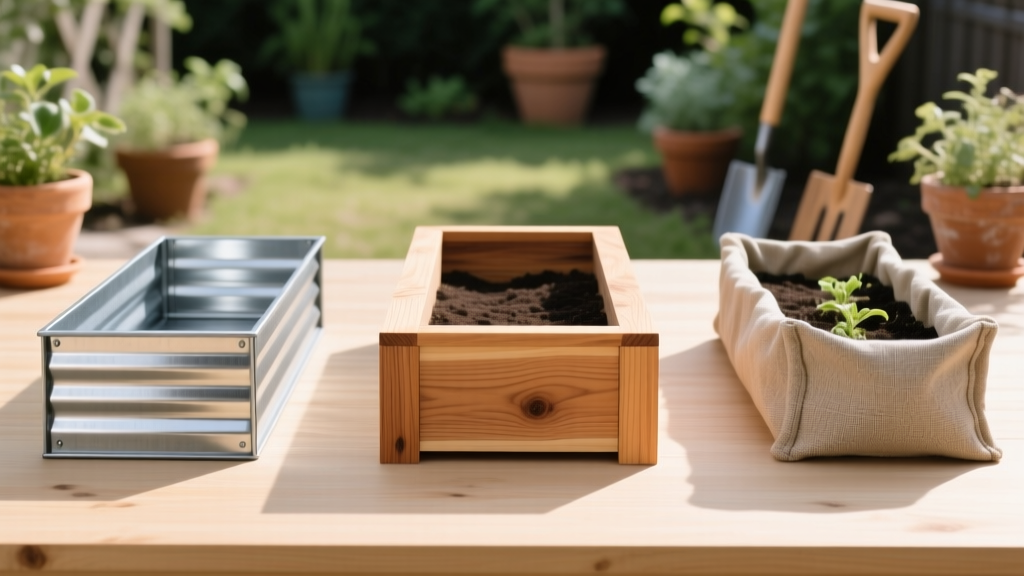
Cedar vs Steel vs Fabric Raised Bed Kits: Full Review
Anna KowalskiPublished
The Rise of the Raised Bed: Why Material Matters
Raised bed gardening has fundamentally transformed how home growers approach vegetable and flower cultivation. By elevating the soil above the native ground, gardeners gain superior control over drainage, soil compaction, and weed management. However, the success of your garden is heavily dependent on the structural integrity and thermal properties of the raised bed kit you choose. The market is currently dominated by three primary materials: natural cedar wood, corrugated galvanized steel, and heavy-duty geotextile fabric. Each material offers distinct advantages and drawbacks regarding lifespan, soil temperature regulation, and overall cost. In this comprehensive review, we break down the top raised bed materials to help you make an informed investment for your specific climate zone and gardening goals.
Contender 1: Cedar Wood Raised Bed Kits
For decades, Western Red Cedar has been the gold standard for wooden raised beds. Cedar contains natural tannins and oils that act as built-in preservatives, making the wood highly resistant to rot, decay, and insect damage without the need for toxic chemical treatments. A standard 4-foot by 8-foot by 12-inch cedar kit typically costs between $150 and $250. Assembly usually takes about 45 to 60 minutes, requiring a drill, stainless steel screws, and corner brackets. Over time, the rich brown hue of cedar weathers to a beautiful silvery-gray patina, blending seamlessly into natural landscapes.
Pros and Cons of Cedar
- Pros: 100% natural and untreated; excellent insulator that keeps soil temperatures stable; aesthetically pleasing; easily repairable if a single board cracks.
- Pros: Provides a wide, flat top edge (if using 2x6 lumber) that is comfortable for sitting while weeding or harvesting.
- Cons: Higher upfront cost compared to fabric; eventual decomposition is inevitable (typically lasting 10 to 15 years depending on moisture levels); assembly is more labor-intensive.
Contender 2: Galvanized Steel Raised Bed Kits
Corrugated galvanized steel raised beds have surged in popularity over the last five years, favored for their sleek, modern, and industrial aesthetic. These kits are constructed from steel sheets coated in a layer of zinc to prevent rust, with corrugated ridges that provide immense structural strength against the outward pressure of wet soil. A standard 4-foot by 8-foot steel kit, often featuring a deeper 17-inch profile ideal for root crops, ranges from $100 to $180. Assembly is remarkably straightforward, often taking under 40 minutes using a simple socket wrench. Premium kits include rubber safety edge bands to prevent cuts during installation and maintenance.
Pros and Cons of Galvanized Steel
- Pros: Exceptional longevity (20 to 30+ years); immune to rot and wood-boring pests; deeper profiles available for extensive root systems; highly cost-effective over its lifespan.
- Cons: Metal conducts heat rapidly, which can overheat soil in extreme summer climates or freeze roots faster in early spring; edges can be sharp if safety bands are omitted; difficult to modify or cut once assembled.
Contender 3: Heavy-Duty Fabric Raised Beds
Heavy-duty fabric raised beds, often referred to as grow bags or geotextile beds, are the ultimate solution for budget-conscious gardeners, renters, and those with poor native soil or paved surfaces. Made from BPA-free, breathable polypropylene or felt, these beds promote a phenomenon known as 'air pruning.' When roots reach the edge of the fabric, they are exposed to air, which stops them from circling and encourages a dense, fibrous, and highly efficient root network. A large 4-foot by 8-foot fabric bed costs a mere $30 to $60 and requires zero tools for assembly—simply unfold and fill.
Pros and Cons of Fabric
- Pros: Lowest upfront cost; zero assembly time; lightweight and easily relocated; folds flat for off-season storage; superior drainage prevents waterlogging and root rot.
- Cons: Shortest lifespan (typically 3 to 5 seasons before UV degradation); high porosity means soil dries out much faster, requiring more frequent irrigation; lacks structural rigidity, making the sides bulge outward when filled.
Head-to-Head Comparison Chart
| Feature | Cedar Wood | Galvanized Steel | Fabric Grow Bags |
|---|---|---|---|
| Average Cost (4x8 ft) | $150 - $250 | $100 - $180 | $30 - $60 |
| Expected Lifespan | 10 - 15 Years | 20 - 30+ Years | 3 - 5 Seasons |
| Assembly Time | 45 - 60 Minutes | 30 - 40 Minutes | 5 Minutes |
| Soil Moisture Retention | High | Moderate | Low (Dries Quickly) |
| Heat Conductivity | Low (Insulating) | High (Conductive) | Moderate |
| Pest / Rot Resistance | Moderate (Natural Oils) | Excellent | Excellent |
Expert Insights: Soil Health, Leaching, and Temperature
A common concern among organic gardeners is whether galvanized steel is safe for growing edible crops. The fear stems from the zinc coating potentially leaching into the soil. According to the Oregon State University Extension Service, zinc leaching in garden soils is minimal and largely dependent on soil pH. In neutral to slightly alkaline soils (pH 6.5 to 7.5), zinc remains bound and unavailable for plant uptake. Furthermore, zinc is an essential micronutrient for plant growth, and the trace amounts that might leach are far below toxic thresholds for human consumption. However, the Extension advises against using highly acidic soils (below pH 5.5) in unlined metal beds, as acidity accelerates the breakdown of the zinc coating.
Temperature regulation is another critical factor. The University of Maryland Extension notes that soil temperature in raised beds fluctuates more than in-ground soil because the sides are exposed to ambient air. Metal beds absorb solar radiation rapidly, which can be a massive advantage in cooler, northern climate zones (Zones 3-5) by extending the growing season. However, in hot southern climates (Zones 8-10), steel beds can overheat, stressing plant roots. To mitigate this, experts recommend applying a thick 2-to-3-inch layer of organic mulch, such as straw or shredded leaves, on the soil surface of metal beds to insulate against extreme heat.
Actionable Advice: Base Preparation and Soil Mixing
Regardless of the kit you choose, proper base preparation is non-negotiable. Never place a raised bed directly over established weeds or Bermuda grass. Instead, employ the 'sheet mulching' technique: lay down overlapping layers of plain, uncoated corrugated cardboard directly over the grass before setting your bed on top. The cardboard will smother the grass and eventually decompose, allowing earthworms to migrate into your bed.
If you live in an area prone to gophers or moles, staple a layer of 1/2-inch galvanized hardware cloth to the bottom frame of cedar or steel beds before filling them. Fabric beds naturally deter most burrowing pests due to their tough, flexible bottoms, but a hardware cloth base adds extra security.
For the soil mix, avoid using native topsoil or cheap bagged 'garden soil,' which will compact heavily in a raised environment. Instead, utilize a variation of the famous Square Foot Gardening mix: combine one-third high-quality organic compost (for nutrients), one-third coco coir or peat moss (for moisture retention), and one-third coarse vermiculite (for aeration and drainage). If you are using fabric beds, which dry out rapidly, increase the coco coir ratio slightly and consider integrating water-retaining biochar into your mix.
Final Verdict: Which Kit Wins?
There is no single 'best' raised bed kit; the winner depends entirely on your specific gardening context. Cedar wood remains the premium choice for traditionalists and those who prioritize a natural aesthetic, stable soil temperatures, and a comfortable seating edge. It is the undisputed champion for cottage gardens and formal landscaping. Galvanized steel takes the crown for long-term durability and deep-rooted crop cultivation. It is the smartest financial investment for gardeners who plan to stay in their current home for decades and want a low-maintenance, modern look. Finally, fabric raised beds are the ultimate victor for beginners, urban gardeners, and renters. They offer unparalleled accessibility, portability, and root-health benefits for a fraction of the cost, making them the perfect entry point into the world of raised bed gardening.
