Gardening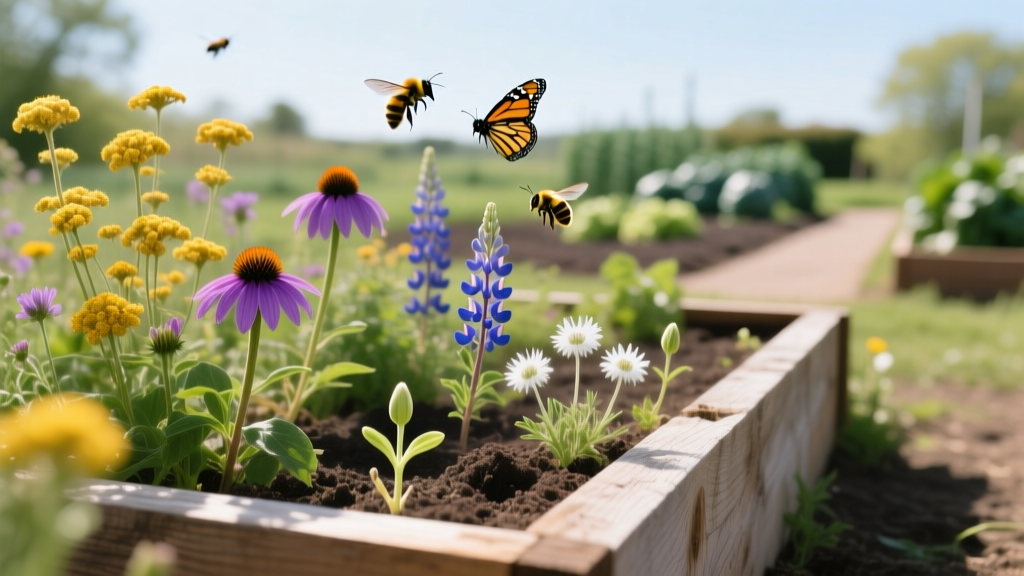
2026 Guide: Raised Bed Native Wildflower Seed Mixes
Lisa ThompsonPublished
The 2026 Regenerative Approach: Meadows in Raised Beds
For decades, raised bed vegetable gardening has focused almost exclusively on food production. However, as we move through the 2026 growing season, the most successful home growers are adopting a regenerative approach: dedicating specific raised beds entirely to native wildflower meadows. By establishing a native wildflower meadow from a carefully curated seed mix right alongside your tomatoes, squash, and peppers, you create a permanent pollinator magnet and a hub for beneficial predatory insects. This strategy drastically improves vegetable yields, reduces pest pressure, and builds a resilient micro-ecosystem in your backyard.
But why use a raised bed for a meadow? Many homeowners struggle with compacted clay, poor drainage, or soil contaminated with heavy metals or persistent herbicides. A raised bed allows you to control the soil profile perfectly, giving native wildflower seeds the exact low-fertility, well-draining environment they need to thrive. According to the Xerces Society for Invertebrate Conservation, creating dedicated, undisturbed pollinator habitats adjacent to vegetable plots can increase crop yields by up to 20% due to enhanced native bee activity.
Selecting the Right 2026 Regional Seed Mix
The golden rule of native wildflower gardening is to plant regional ecotypes. Seeds sourced from local genotypes are adapted to your specific rainfall patterns, temperature fluctuations, and native soil biology. In 2026, top-tier seed suppliers have expanded their regional mix offerings, making it easier than ever to find a blend that matches your exact hardiness zone.
When selecting a mix for a raised bed vegetable garden companion, prioritize species with staggered bloom times. You want flowers blooming from early spring (to support early-emerging solitary bees) through late fall (to fuel monarch butterflies and late-season pollinators). Avoid mixes heavy in non-native annuals like cosmos or zinnias; while pretty, they do not support the specialized native insects that act as natural pest control for your vegetable beds.
Top Regional Seed Mix Profiles for Raised Beds
| Region | Key Native Species Included | Peak Bloom Time | Best Veggie Companions |
|---|---|---|---|
| Northeast | Swamp Milkweed, Purple Coneflower, Bee Balm, New England Aster | Mid-Summer to Fall | Squash, Cucumbers, Tomatoes |
| Midwest | Prairie Blazing Star, Black-eyed Susan, Wild Bergamot, Compass Plant | Early Summer to Fall | Melons, Pumpkins, Sweet Corn |
| West Coast | California Poppy, Lupine, Yarrow, Clarkia, Tidy Tips | Spring to Early Summer | Peppers, Eggplant, Beans |
| Southeast | Partridge Pea, Coreopsis, Butterfly Weed, Mistflower | Summer to Late Fall | Okra, Southern Peas, Sweet Potatoes |
Soil Preparation: The Low-Fertility Secret
The biggest mistake vegetable gardeners make when transitioning a raised bed to a wildflower meadow is using their standard, nutrient-rich veggie soil. Native wildflowers are adapted to lean, marginal soils. If you plant a meadow seed mix in a bed amended with heavy compost and high-nitrogen fertilizers, aggressive weeds and fast-growing grasses will outcompete your delicate native seedlings.
For a dedicated meadow raised bed, construct a soil profile that mimics natural prairie or meadow conditions. The ideal 2026 raised bed meadow soil recipe is:
- 50% Screened Topsoil: Provides the basic mineral structure.
- 30% Coarse Sand or Fine Gravel: Ensures rapid drainage and prevents root rot in deep taproot species like milkweed and lupine.
- 20% Finished Compost: Just enough to provide initial microbial life and moisture retention, but not enough to cause excessive nitrogen loading.
Before sowing, clear the bed of any existing vegetation. Do not use synthetic herbicides. Instead, use the occultation method: cover the bed with a thick, UV-treated silage tarp for four to six weeks prior to planting to solarize and smother existing weed seeds. The Lady Bird Johnson Wildflower Center emphasizes that thorough site preparation is the single most critical factor in long-term meadow success.
Sowing Techniques for Raised Bed Meadows
Because raised beds offer a defined, manageable square footage, you can be incredibly precise with your seed distribution. Most native seed mixes recommend a sowing rate of 1 ounce per 100 to 120 square feet. For a standard 4x8 foot raised bed (32 square feet), you will need roughly one-third of an ounce of seed.
The Carrier Sand Method
Native seeds are often tiny and difficult to broadcast evenly. To solve this, mix your seed with a carrier material. Dampen two cups of coarse masonry sand, mix in your seed portion, and broadcast the sand-seed mixture evenly across the surface of your raised bed. The sand helps you see where you have already sown, preventing clumping and bare spots.
Cold Stratification and Winter Sowing
Many native perennial seeds require a period of cold, moist stratification to break dormancy. If you are sowing in the spring, you must artificially stratify these seeds in your refrigerator for 30 to 60 days prior to planting. However, the most efficient method for raised beds is late fall or winter sowing. By broadcasting your seed mix onto the raised bed between late November and February (depending on your zone), nature handles the stratification process for you. The freezing and thawing cycles of winter will naturally work the seeds into the top layer of the soil, resulting in robust, drought-tolerant germination in the spring.
First-Year Maintenance Calendar
Establishing a meadow from seed requires patience. Unlike vegetable seeds that sprout in days, native perennials spend their first year developing massive root systems beneath the soil, often showing very little top growth. According to Penn State Extension, proper first-year management is essential to prevent annual weeds from shading out your slow-growing native seedlings.
- Months 1-2 (Germination): Keep the top inch of the raised bed soil consistently moist if spring rains are lacking. Learn to identify your native seedlings versus common weeds.
- Months 3-4 (The First Mow): When weeds reach 8 to 10 inches tall, mow or trim the raised bed down to 4 inches. This cuts back fast-growing annual weeds before they drop seed, while allowing sunlight to reach the slow-growing native rosettes hugging the soil surface.
- Months 5-6 (Bloom & Observation): You may see a few first-year blooms, particularly from native annuals included in your mix (like Plains Coreopsis). Allow these to bloom to support early pollinators.
- Months 7-8 (Seed Setting): Stop mowing. Allow native annuals to drop their seeds directly into the raised bed to naturally thicken your meadow density for the following year.
- Months 9-10 (Dormancy): Leave all plant debris standing over the winter. Hollow stems provide crucial overwintering habitat for native bees that will pollinate your vegetable garden next spring.
Integrating the Meadow Bed with Your Vegetable Garden
Once your raised bed meadow is established in its second year, it becomes a powerhouse for your surrounding vegetable beds. To maximize this synergy, practice 'companion zoning.' Place your meadow raised bed on the south or west side of your vegetable garden so it does not cast shade on your sun-loving crops.
Furthermore, utilize the 'chop and drop' technique in late fall. When you finally cut back the dormant meadow biomass in late winter or early spring, use those carbon-rich stems and leaves as a protective mulch layer on your adjacent vegetable beds. This closes the nutrient loop, suppresses early spring weeds in your food crops, and slowly breaks down to feed your soil microbiome. By integrating a native wildflower meadow into your raised bed layout, you are not just growing vegetables; you are cultivating a thriving, self-sustaining ecosystem that will yield bountiful harvests for years to come.
