
Landscaping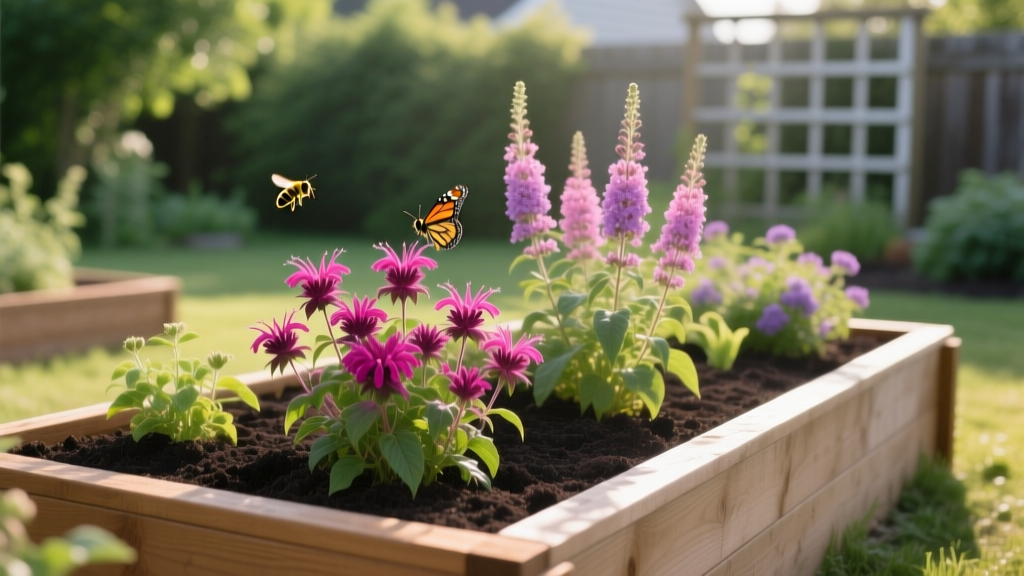
2026 Raised Bed Pollinator Design: Bee Balm & Butterfly Bush
Sarah ChenPublished
The Evolution of Raised Bed Vegetable Gardening in 2026
As we move through the 2026 gardening season, the philosophy behind raised bed vegetable gardening has fundamentally shifted. It is no longer just about containing soil and maximizing square footage; it is about creating a thriving, interconnected micro-ecosystem. Home gardeners and landscape designers alike are recognizing that the secret to massive heirloom tomato harvests, robust zucchini yields, and perfectly pollinated cucumber vines lies just outside the wooden or steel walls of the raised bed. By integrating dedicated pollinator borders into your landscape design, specifically utilizing the dynamic duo of bee balm (Monarda) and butterfly bush (Buddleja), you can dramatically increase your vegetable garden's productivity while elevating your yard's curb appeal.
According to the United States Department of Agriculture (USDA), native and managed pollinators are responsible for one out of every three bites of food we eat. In a home garden setting, the absence of adequate pollinator traffic can lead to blossom drop, misshapen fruits, and significantly reduced yields. Designing your raised bed layout to intentionally include high-value nectar and pollen sources is the most effective, organic way to guarantee vegetable pollination.
The Power Duo: Bee Balm and Butterfly Bush
When selecting perennial anchors for the borders of your vegetable beds, you need plants that offer prolonged bloom times, high nectar volume, and structural contrast. Bee balm and butterfly bush check every single box for the 2026 pollinator garden.
Bee Balm (Monarda didyma and Monarda fistulosa)
Bee balm is a North American native perennial that acts as a magnet for hummingbirds, native bumblebees, and beneficial predatory wasps. The tubular flowers are perfectly adapted for the long tongues of bumblebees, which are essential for the "buzz pollination" required by tomatoes, eggplants, and peppers. For 2026, we highly recommend mildew-resistant cultivars like 'Jacob Cline' (vibrant red) or 'Purple Rooster' (deep purple), which maintain clean foliage even in the high humidity of mid-summer when your vegetable beds are at peak production.
Butterfly Bush (Buddleja Sterile Cultivars)
The butterfly bush is renowned for its massive, fragrant flower panicles that bloom relentlessly from early summer until the first frost. However, a critical landscaping update for 2026 is the strict requirement to use sterile, non-invasive cultivars. Many states have banned fertile Buddleja davidii due to its tendency to naturalize in wild areas. Look for proven sterile varieties like 'Miss Violet', 'Blue Chip Jr.', or the 'Flutterby' series. These provide the exact same massive pollinator draw without the ecological risk, making them safe and responsible choices for modern landscape design.
Strategic Layout: Spacing and Raised Bed Placement
Integrating these large perennials into a raised bed vegetable garden requires careful spatial planning. You must ensure that the pollinator plants do not cast shade over your sun-loving vegetables or compete aggressively for water and nutrients. The golden rule for 2026 raised bed design is to place tall perennials on the north or west-facing borders of your vegetable beds.
| Plant Species | Mature Height | Mature Spread | Distance from Bed Edge | Ideal Sun Exposure |
|---|---|---|---|---|
| Bee Balm ('Jacob Cline') | 36 - 48 inches | 24 - 36 inches | 12 - 18 inches | Full Sun to Part Shade |
| Bee Balm ('Purple Rooster') | 24 - 30 inches | 18 - 24 inches | 10 - 12 inches | Full Sun |
| Butterfly Bush ('Miss Violet') | 48 - 60 inches | 48 - 60 inches | 36 - 48 inches | Full Sun (6+ hours) |
| Butterfly Bush ('Blue Chip Jr.') | 24 - 30 inches | 24 - 30 inches | 18 - 24 inches | Full Sun (6+ hours) |
By placing the taller butterfly bushes on the north side, they act as a beautiful backdrop that catches the morning and evening sun without shading the raised beds during the critical midday hours. Bee balm, being slightly shorter and more tolerant of partial shade, can be tucked into the corners or along the eastern edges where it will catch the morning sun and attract early-foraging native bees.
Soil Preparation: Managing the Transition Zone
One of the most common mistakes gardeners make is treating the soil in the pollinator border exactly like the soil inside the raised vegetable bed. Vegetables are heavy feeders that require rich, moisture-retentive, loamy soil. Pollinator perennials, on the other hand, often thrive in slightly leaner, exceptionally well-draining soil. Over-fertilizing bee balm and butterfly bush leads to excessive, floppy vegetative growth at the expense of flower production.
Inside your raised beds, stick to a premium 2026 organic mix: 40% topsoil, 40% compost, and 20% pumice or perlite for drainage. For the border areas where you will plant your bee balm and butterfly bush, amend the native ground soil with coarse sand and a small amount of compost to improve drainage. The Xerces Society for Invertebrate Conservation emphasizes that native and adapted pollinator plants generally do not require synthetic fertilizers, which can actually harm the soil microbiome and deter the very insects you are trying to attract.
Companion Planting Synergies for Vegetable Yields
When designing your raised bed layout, consider the specific pollination needs of the vegetables inside the bed and match them with the pollinators attracted by your border plants.
- Tomatoes, Peppers, and Eggplants: These require buzz pollination. Planting 'Jacob Cline' bee balm nearby attracts large bumblebees (Bombus species), which are the primary insects capable of buzz pollination. The result? Heavier, more uniformly shaped tomatoes.
- Squash, Pumpkins, and Melons: These heavy-producing vines require the transfer of large, sticky pollen grains. Butterfly bushes attract a wide array of generalist pollinators, including honeybees and squash bees (Peponapis), which will move from the nectar-rich buddleja panicles to your squash blossoms.
- Brassicas and Root Vegetables: While you harvest these before they flower, the predatory wasps attracted to bee balm nectar will patrol your raised beds, hunting for cabbage loopers and aphids, providing natural pest control.
Seasonal Maintenance and Pruning Guide
To keep your pollinator borders looking manicured and functioning at peak capacity throughout the 2026 growing season, a strict maintenance schedule is required.
Spring Preparation
In early spring, once the threat of a hard freeze has passed, cut back your butterfly bushes to about 12 to 18 inches from the ground. Because they bloom on new wood, this aggressive pruning encourages a compact, bushy habit and massive flower panicles. For bee balm, clear away dead winter foliage and apply a thin, one-inch layer of compost around the base to feed the emerging shoots.
Summer Deadheading and Division
Bee balm spreads via underground rhizomes and can become overcrowded, leading to powdery mildew. Every three years in early spring, dig up the clumps, divide the outer rings, and replant them to maintain vigor. Throughout the summer, deadhead spent bee balm flowers just above the next set of leaves to encourage a second, albeit smaller, flush of blooms in late August. Butterfly bushes require weekly deadheading of spent panicles during peak summer to prevent seed formation (even in sterile varieties, this redirects energy to new blooms) and to keep the landscape looking tidy.
Pest and Disease Management
Never use broad-spectrum pesticides near your raised beds or pollinator borders. If aphids appear on your butterfly bush, rely on the ladybugs and lacewings that the diverse garden ecosystem will attract. If powdery mildew affects your bee balm, improve air circulation by thinning the stems and water only at the base of the plant using a drip irrigation system.
Budgeting Your 2026 Pollinator-Vegetable Oasis
Investing in a combined raised bed and pollinator border is a long-term landscape upgrade. Here is a realistic cost breakdown for a standard 4x8-foot cedar raised bed with an integrated north-facing pollinator border in 2026:
- 4x8 Cedar Raised Bed Kit (11" depth): $160 - $200
- Premium Organic Raised Bed Soil (24 cubic feet): $110 - $140
- Drip Irrigation System (Bed and Border): $65
- 3x Bee Balm (1-gallon pots): $45
- 2x Sterile Butterfly Bush (2-gallon pots): $70
- Mulch and Compost for Border: $40
Total estimated investment ranges from $490 to $560. Given the lifespan of a cedar bed (10-15 years) and the perennial nature of bee balm and butterfly bush, the annualized cost is minimal compared to the massive increase in vegetable yields and the immense ecological value added to your property.
Conclusion
Integrating bee balm and sterile butterfly bush into your raised bed vegetable garden design is a masterclass in functional landscaping. By providing the exact nectar and pollen sources required by native bees and butterflies, you are directly investing in the productivity of your summer harvest. As you plan your 2026 garden, remember that the boundary between the vegetable patch and the ornamental landscape is an illusion; they are one unified ecosystem, and designing them together is the key to a thriving, beautiful, and bountiful yard.

