Gardening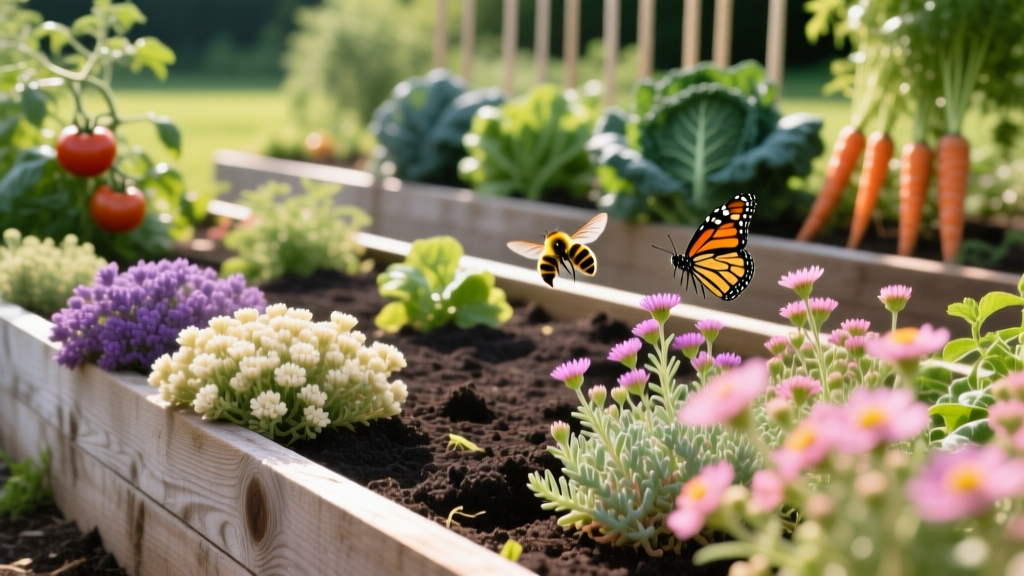
Raised Bed Pollinator Borders: Sedum & Yarrow 2026
James MillerPublished
Embracing the 2026 Drought-Resistant Raised Bed Garden
As we navigate the 2026 growing season, water conservation and ecological resilience are at the absolute forefront of modern home horticulture. For raised bed vegetable gardeners, the challenge is often twofold: maintaining consistent soil moisture for thirsty, heavy-feeding crops like tomatoes, squash, and peppers, while simultaneously supporting the local pollinator populations that ensure those crops actually yield fruit. With municipal water restrictions becoming more stringent in many climate zones this year, the smartest solution lies in integrating drought-tolerant flower gardens into your raised bed landscape design. Specifically, utilizing the powerhouse duo of sedum and yarrow around the perimeters of your vegetable beds creates a resilient, low-water ecosystem that boosts your harvest and beautifies your yard.
The Microclimate of Raised Bed Edges
To understand why drought-tolerant perennials are essential, we must first look at the physics of a raised bed. Whether you are using traditional cedar, composite lumber, or galvanized steel, raised beds inherently drain faster than in-ground gardens. The soil at the edges of the bed is exposed to ambient air on all sides, causing it to dry out rapidly. This creates a challenging, arid microclimate right at the border of your vegetable zone. Instead of fighting this dry edge with excessive, wasteful watering, the best practice for 2026 is to embrace it. By planting drought-resistant perennials on the sun-baked southern and western perimeters of your beds, you turn a landscaping liability into an ecological asset.
Yarrow: The Deep-Rooted Guardian
Yarrow (Achillea millefolium) is a rugged, drought-tolerant perennial that thrives in the well-draining, sometimes neglected soil found at the base of raised beds. According to the University of Minnesota Extension, yarrow is exceptionally hardy and requires minimal supplemental watering once its deep taproot system is established. This deep rooting is highly beneficial for the soil structure immediately surrounding your raised beds, as it helps break up compacted native earth and improves water infiltration during heavy summer downpours.
Beyond its water-saving traits, yarrow is a magnet for beneficial insects. The flat-topped umbel flowers provide an ideal landing pad for predatory insects like ladybugs, hoverflies, and parasitic wasps. These beneficial insects are crucial for organic pest management in your adjacent vegetable beds. For example, parasitic wasps are the natural enemy of the tomato hornworm, a common devastator of raised bed tomato crops. By planting yarrow cultivars like 'Strawberry Seduction' or 'Paprika' along the sunny borders of your beds, you are essentially creating a permanent barracks for your garden's natural pest control squad.
Sedum: The Ultimate Living Mulch
While yarrow provides vertical structure and deep roots, sedum (stonecrop) offers unparalleled ground-level protection. Creeping sedum varieties, such as Sedum spurium 'Dragon's Blood' or Sedum rupestre 'Angelina', act as a living mulch around the base of your raised beds. The Xerces Society for Invertebrate Conservation frequently highlights the importance of continuous, low-water groundcovers in supporting ground-nesting bees and maintaining soil moisture. Sedum's shallow, succulent leaves store water, allowing the plant to thrive in the driest conditions without competing with your deep-rooted vegetables for subterranean moisture.
Furthermore, a dense mat of sedum suppresses aggressive weeds that might otherwise creep into your raised bed vegetable soil. In late summer and early autumn, taller upright sedum varieties like 'Autumn Joy' (now botanically classified under the genus Hylotelephium) burst into bloom, providing a critical late-season nectar source for migrating monarch butterflies and native bees preparing for winter. This late bloom perfectly coincides with the flowering of fall vegetable crops like squash and pumpkins, ensuring robust pollination right up until the first frost.
Soil Preparation for Perimeter Plantings
One of the most common mistakes gardeners make is planting drought-tolerant perennials in overly rich, nitrogen-heavy soil. The soil inside your raised beds should be a rich, loamy mix high in organic matter and compost to support heavy vegetable yields. However, the perimeter soil where your sedum and yarrow will live should be much leaner. If you plant yarrow in highly fertilized soil, it will produce weak, floppy stems that require staking. For the borders, amend the native soil with coarse sand or fine gravel to ensure rapid drainage. A top-dressing of inorganic mulch, such as crushed granite or pea gravel, will reflect heat, suppress weeds, and keep the base of the sedum and yarrow plants dry, preventing crown rot.
2026 Companion Planting Matrix
Integrating these flowers requires strategic placement. The following table outlines how to pair your raised bed vegetables with sedum and yarrow borders for maximum ecological benefit.
| Vegetable Crop | Perimeter Companion | Placement Strategy | Ecological Benefit |
|---|---|---|---|
| Tomatoes | Yarrow | South/West Border | Attracts parasitic wasps to control hornworms and aphids. |
| Peppers | Creeping Sedum | Base Groundcover | Retains soil moisture and reflects heat to warm pepper roots. |
| Squash & Zucchini | Upright Sedum | Adjacent Pollinator Bed | Late-season nectar supports bees essential for squash pollination. |
| Brassicas (Kale/Cabbage) | Yarrow | North Border | Attracts hoverflies whose larvae consume destructive cabbage aphids. |
Smart Irrigation and Water Management
Even drought-tolerant plants require consistent moisture during their first year of establishment. In 2026, smart irrigation technology has become highly accessible and is a must-have for the eco-conscious gardener. Install a dedicated drip irrigation zone for your raised bed perimeters, separate from the main vegetable bed lines. Connect this to a smart Wi-Fi controller that adjusts watering schedules based on real-time local weather data and evapotranspiration rates. Once the yarrow and sedum are established in their second year, you can reduce the perimeter drip zone to a deep, infrequent soaking once every two weeks, or rely entirely on natural rainfall, depending on your specific climate zone.
Pest Management Synergies
The concept of companion planting is deeply rooted in biodiversity. Monocultures, even in small raised beds, are highly susceptible to pest outbreaks. By bordering your vegetables with the complex floral structures of yarrow and the dense foliage of sedum, you create a multi-layered habitat. The Pollinator Partnership emphasizes that diverse floral resources are key to sustaining beneficial insect populations throughout the entire growing season. Yarrow blooms in early to mid-summer, bridging the gap between spring ephemerals and late-summer asters. This continuous bloom cycle ensures that predatory insects never leave your garden in search of food, providing a constant, invisible shield over your vegetable crops.
Overwintering and Spring Preparation
As the 2026 growing season winds down, resist the urge to aggressively clean up your perennial borders. The dried flower heads of upright sedum provide visual interest in the winter garden and offer vital overwintering habitat for native bees and beneficial insects. Yarrow foliage will naturally die back; wait until early spring to cut the dead stems down to the basal rosette. In early spring, apply a light, one-inch top-dressing of compost to the perimeter beds to gently feed the perennials without causing the excessive, floppy growth associated with heavy synthetic fertilizers. By treating your raised bed borders as a permanent, living ecosystem rather than an annual planting space, you build soil health and ecological resilience year after year.
Conclusion
Integrating drought-tolerant sedum and yarrow into your raised bed vegetable garden is a masterclass in working with nature rather than against it. By embracing the dry microclimates of your bed perimeters, you conserve precious water, suppress weeds, and invite an army of beneficial pollinators and predatory insects into your garden. As water conservation continues to shape gardening practices in 2026 and beyond, this resilient, low-maintenance approach ensures your vegetable harvest is as abundant as it is sustainable.
