Gardening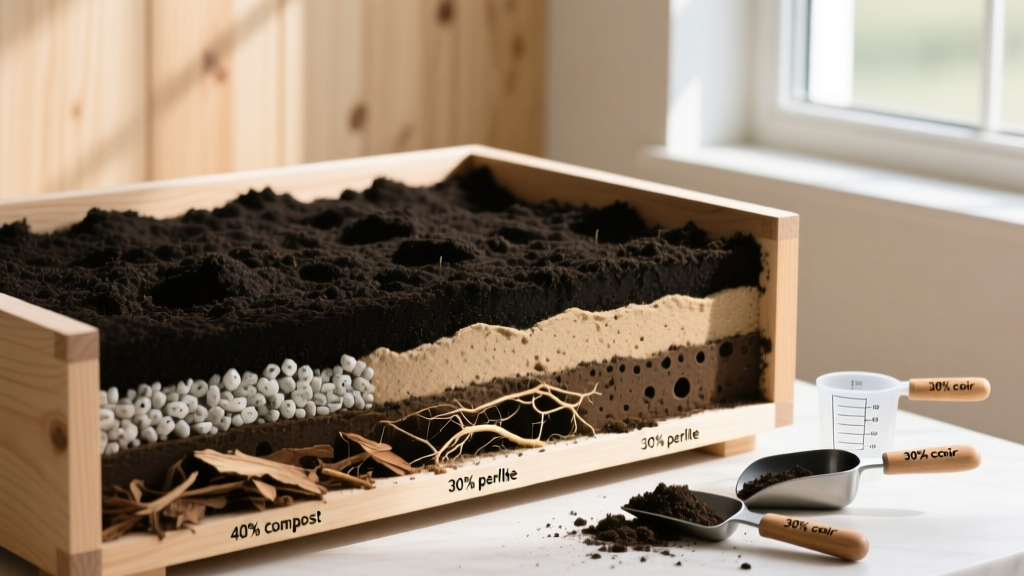
The Ultimate Raised Bed Soil Mix: Expert Ratios and Tips
James MillerPublished
Building a raised garden bed is one of the most rewarding investments you can make for your home landscape. However, the success of your vegetable harvest or vibrant flower display hinges almost entirely on what goes inside that wooden or metal frame. Many novice gardeners make the critical mistake of filling their raised beds with cheap topsoil or digging up earth from their existing yard. As an expert in soil science and horticulture, I can tell you that this approach leads to compaction, poor drainage, and stunted root growth. To achieve the lush, high-yielding gardens you see in magazines and professional landscaping portfolios, you need a meticulously crafted raised bed soil mix. In this comprehensive guide, we will explore the best practices, exact ratios, and advanced layering techniques used by master gardeners to create the ultimate growing medium.
Why Standard Garden Soil Fails in Raised Beds
It is tempting to simply shovel native soil into your newly constructed raised bed, especially if you have a large property. However, native soil is structured to exist in the ground, where earthworms, deep root systems, and natural freeze-thaw cycles maintain its architecture. Once you remove soil from the ground and place it into a confined raised bed, it loses that natural ecosystem. Without the capillary action of the deeper earth, native soil in a raised bed will quickly compact under the weight of watering and gravity. This compaction chokes plant roots, prevents beneficial microbes from thriving, and creates a perched water table that leads to root rot. According to the Oregon State University Extension Service, raised beds require a soilless or heavily amended mix that prioritizes porosity and organic matter over the mineral density found in native dirt.
The Golden Ratio: Expert Soil Mix Formulas
When formulating a raised bed soil mix, the goal is to balance three critical elements: moisture retention, drainage, and nutrient density. Over the years, horticulturists have developed several reliable formulas. Below is a comparison of the two most highly recommended mixes for vegetable and flower gardening.
| Mix Type | Organic Matter | Aeration and Drainage | Moisture Retention | Best For |
|---|---|---|---|---|
| Classic Thirds Mix | 33% Blended Compost | 33% Coarse Vermiculite | 33% Coconut Coir | Shallow-rooted veggies, herbs, annual flowers |
| Loam-Based Blend | 40% Premium Compost | 30% Perlite or Pumice | 20% Coco Coir or Peat | Deep-rooted crops, perennials, heavy feeders |
Deep Dive Into Soil Components
Coconut Coir vs. Peat Moss: Historically, peat moss was the standard for moisture retention. However, expert gardeners have largely shifted to coconut coir. Coir is a byproduct of the coconut industry, making it a highly renewable resource compared to the slow-regenerating peat bogs. Furthermore, coir has a near-neutral pH (around 6.0 to 6.8), whereas peat moss is highly acidic (pH 3.5 to 4.5) and requires the addition of agricultural lime to balance it. Coir also rewets much easier than peat moss once it has dried out completely.
The Role of Compost: Compost is the engine of your soil mix. It provides the slow-release nutrients and beneficial microbiology that plants need. Do not rely on a single source of compost. The best practice is to blend at least three different types, such as mushroom compost, composted cow manure, and homemade leaf mold. This diversity ensures a broader spectrum of micronutrients and microbial life.
Aeration Materials: Vermiculite and perlite are both volcanic minerals that are superheated until they pop like popcorn. Vermiculite acts like a sponge, holding both water and nutrients, making it ideal for moisture-loving plants. Perlite, on the other hand, is hard and porous, providing excellent drainage and oxygen pockets for roots. For a general-purpose raised bed, a 50/50 blend of perlite and vermiculite in the aeration portion of your mix yields the best results.
Budgeting for a 4x8 Raised Bed
Understanding the volume and cost of your soil mix is crucial for project planning. A standard 4-foot by 8-foot raised bed that is 12 inches deep requires exactly 32 cubic feet of soil. Here is a realistic cost breakdown based on current average market prices for premium bulk and bagged materials:
- Coconut Coir (3 blocks, expanding to 11 cu ft): $45.00
- Blended Organic Compost (11 cu ft): $60.00 (or free if sourced from municipal facilities)
- Coarse Vermiculite (4 cu ft bag): $35.00
- Perlite (4 cu ft bag): $25.00
- Organic Granular Fertilizer (Initial amendment): $20.00
- Estimated Total Cost: $185.00
While the upfront cost may seem high, this mix will last for years with minimal annual top-dressing, saving you money on synthetic fertilizers and soil replacements in the long run.
The Modified Hugelkultur Base: Saving Money and Boosting Health
If you are building raised beds that are 18 to 24 inches deep, filling the entire volume with the premium soil mix described above can become prohibitively expensive. Expert permaculturists recommend using a modified Hugelkultur layering technique for the bottom 40% of the bed.
Start by laying down a base of decaying hardwood logs, thick branches, and woodchips. As this woody material breaks down over the next three to five years, it acts as a massive sponge, retaining deep soil moisture and slowly releasing carbon and trace minerals into the root zone. Cover the wood layer with a thick mat of cardboard or dry leaves to prevent the premium soil from washing down into the woody gaps. Finally, fill the top 10 to 12 inches with your meticulously crafted Golden Ratio soil mix. This technique not only cuts your soil costs by nearly a third but also creates a resilient, drought-tolerant growing environment.
Amending and Maintaining Soil Health Year Over Year
A common misconception is that once you build the perfect raised bed soil, your work is done. In reality, intensive vegetable gardening depletes nutrients rapidly. Best practices dictate that you must replenish the organic matter annually.
Every late fall or early spring, apply a 1-inch to 2-inch layer of fresh, finished compost to the surface of your raised beds. You do not need to aggressively till this into the existing soil; doing so can disrupt the delicate mycorrhizal fungal networks that have established themselves. Instead, simply top-dress the bed and let the earthworms and winter freeze-thaw cycles incorporate the organic matter naturally. Additionally, perform a soil test every two years through your local university extension office to monitor pH levels and phosphorus buildup, adjusting with elemental sulfur or specific organic amendments as needed.
According to the Cornell University Cooperative Extension, 'Raised bed soils are highly managed systems. Because they are isolated from the native soil profile, they require regular additions of organic matter and careful monitoring of nutrient levels to sustain high-intensity crop production without degrading soil structure.'
Expert Tips for Moisture Retention and pH Balancing
Even with the perfect soil mix, raised beds naturally drain faster than in-ground gardens, which means they can dry out quickly during peak summer heat. To combat this, experts recommend incorporating a 2-inch layer of organic mulch, such as shredded arborist woodchips or straw, immediately after planting. This reduces surface evaporation by up to 70% and keeps root zones cool.
Furthermore, always pre-moisten your coconut coir and compost before mixing them in a wheelbarrow or on a tarp. Dry peat or coir can become hydrophobic, repelling water and creating dry pockets in your newly filled bed that will severely stunt seedling growth. By taking the time to hydrate your base materials and understanding the biological needs of your soil ecosystem, you will establish a thriving, low-maintenance raised bed garden that produces abundant harvests for years to come.
