Gardening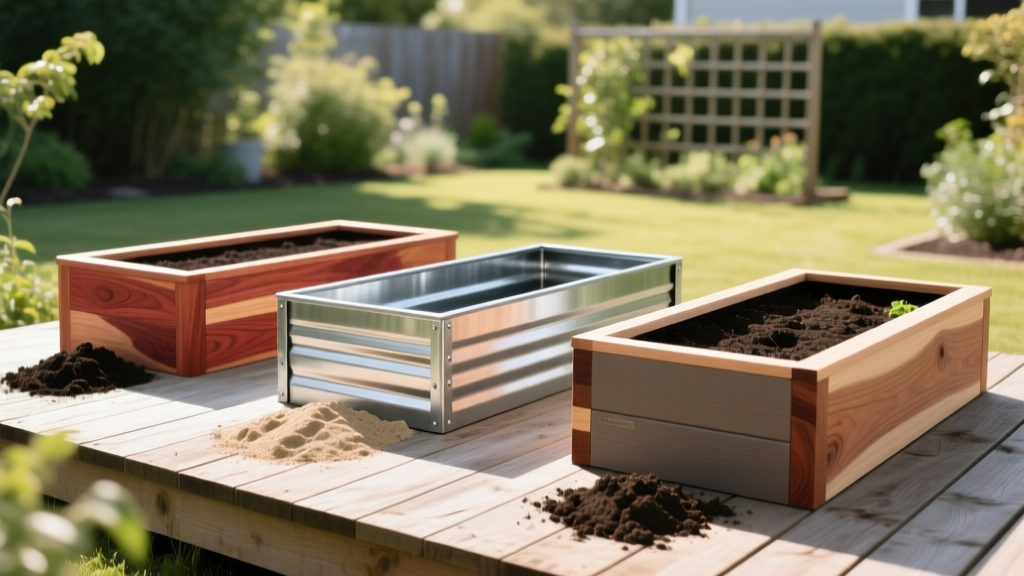
Best Raised Garden Bed Kits: Wood vs Steel vs Composite
Robert HayesPublished
The Great Raised Bed Debate: Wood, Steel, or Composite?
Building a raised garden bed is one of the most effective ways to improve drainage, control soil quality, and extend your growing season. Whether you are cultivating deep-rooted heirloom tomatoes or delicate leafy greens, a well-constructed raised bed provides a controlled environment that minimizes weed pressure and soil compaction. However, with hundreds of kits on the market, selecting the right material can be overwhelming. Do you go with the traditional charm of cedar, the sleek durability of galvanized steel, or the zero-maintenance promise of composite plastics?
In this comprehensive product review and comparison guide, we break down the top raised garden bed materials on the market. We will evaluate specific leading products, analyze hidden costs, review soil safety data, and help you choose the perfect kit for your specific climate and gardening goals.
1. The Traditionalist: Cedar Wood Kits
Product Spotlight: Greenes Fence 4x8 ft. Cedar Raised Garden Bed
For decades, untreated cedar has been the gold standard for organic edible gardening. The Greenes Fence Cedar Raised Bed is a staple in the gardening community, offering a natural, chemical-free environment for your crops. Cedar contains natural oils that act as a fungicide and insect repellent, granting it impressive rot resistance without the need for toxic pressure treatments.
- Dimensions & Depth: 4 ft x 8 ft x 10.5 inches (stackable for deeper root crops).
- Average Cost: $130 - $160 per kit.
- Estimated Lifespan: 7 to 12 years, depending on moisture levels and ground contact.
Pros: 100% safe for organic edibles, aesthetically pleasing, naturally insulating, and easily customizable or cut to fit odd spaces.
Cons: Requires occasional sealing with raw linseed oil to maintain color, will eventually succumb to rot in persistently wet climates, and is heavier to assemble than metal alternatives.
2. The Modern Workhorse: Galvanized Steel
Product Spotlight: VEVOR Galvanized Raised Planter Box (4x8 ft)
Galvanized steel beds have surged in popularity over the last five years, favored by gardeners who want a modern aesthetic and a virtually rot-proof structure. The VEVOR Galvanized Raised Planter features a corrugated design with a zinc-aluminum coating that prevents rust. These beds often include an open bottom and a rubber edge trim for safety during assembly.
- Dimensions & Depth: 4 ft x 8 ft x 12 inches (includes corner bracing rods).
- Average Cost: $80 - $110 per kit.
- Estimated Lifespan: 15 to 25+ years.
Pros: Highly affordable, incredibly durable, pest-resistant (gophers cannot chew through), and lightweight for easy transport before assembly.
Cons: Metal conducts heat. In extreme summer climates, the soil near the edges can become hot enough to stress shallow-rooted plants. Furthermore, the long side panels can bow outward over time if not properly braced with cross-rods.
3. The Lifetime Investment: Composite & Recycled HDPE
Product Spotlight: Frame It All Composite Raised Garden Bed
Composite beds are manufactured from a blend of recycled high-density polyethylene (HDPE) plastics and wood fibers. The Frame It All series uses a modular bracket system that allows you to snap the boards together without heavy drilling. It mimics the look of wood but eliminates the biological decay process entirely.
- Dimensions & Depth: 4 ft x 8 ft x 11 inches (modular and expandable).
- Average Cost: $220 - $280 per kit.
- Estimated Lifespan: 20+ years (UV-treated to prevent fading and warping).
Pros: Zero maintenance, will never rot or splinter, retains moisture well, and utilizes eco-friendly recycled materials.
Cons: Highest upfront cost. In freezing climates, the plastic brackets can become brittle and crack if the soil expands significantly during freeze-thaw cycles.
Head-to-Head Comparison Chart
| Feature | Cedar Wood (Greenes) | Galvanized Steel (VEVOR) | Composite (Frame It All) |
|---|---|---|---|
| Upfront Cost (4x8) | $140 | $95 | $250 |
| Lifespan | 7-12 Years | 15-25+ Years | 20+ Years |
| Assembly Time | 45-60 Minutes | 30-45 Minutes | 60-90 Minutes |
| Heat Retention | Low (Insulating) | High (Conductive) | Medium |
| Organic Safety | Excellent | Very Good | Excellent |
Soil Health, Safety, and Leaching Concerns
A common concern among vegetable gardeners is whether bed materials will leach harmful chemicals into the soil and, subsequently, into their food. Historically, pressure-treated lumber contained chromated copper arsenate (CCA), which was highly toxic. Modern pressure-treated wood uses alkaline copper quaternary (ACQ), which is safer but still frowned upon by strict organic growers.
What about galvanized steel? According to the Oregon State University Extension Service, galvanized steel is generally safe for edible gardens. The zinc coating is tightly bonded to the steel and requires highly acidic soil (a pH below 5.0) to break down and leach in any meaningful quantity. Since most vegetable gardens thrive in a slightly acidic to neutral pH range (6.0 to 7.0), zinc leaching is minimal. Furthermore, zinc is actually a necessary micronutrient for plant growth, though excessive amounts can be toxic. To be absolutely safe, OSU recommends maintaining proper soil pH and avoiding the use of highly acidic amendments like pure peat moss directly against the metal walls.
Expert Tip: 'If you are using galvanized steel in a hot, southern climate, line the interior walls with heavy-duty landscape fabric or a food-safe polyethylene liner. This creates a thermal break that protects plant roots from the radiating heat of the metal while also reducing the soil's direct contact with the zinc coating.' — Master Gardener Best Practices for Urban Agriculture
Climate Considerations: Matching Material to Your Zone
Your local USDA Hardiness Zone and summer temperature averages should heavily influence your purchasing decision. Wood and composite are highly insulating. In cooler northern climates (Zones 3-6), cedar and composite beds help retain the sun's warmth in the soil, allowing you to plant cool-weather crops like spinach and peas a few weeks earlier in the spring.
Conversely, if you garden in the deep South or Southwest (Zones 8-10), galvanized steel can become a liability during July and August. The metal absorbs solar radiation, baking the outer three inches of soil. If you must use steel in a hot climate, orient the bed north-to-south so the narrow ends face the harshest midday sun, and plant heat-tolerant crops like okra, sweet potatoes, and hot peppers along the metal edges, keeping delicate lettuces in the cooler center.
Actionable Advice: Sizing, Soil Volume, and Pest Prevention
Regardless of the material you choose, proper sizing and preparation are critical for a bountiful harvest. Most standard kits are 4 feet wide by 8 feet long. This width is crucial because it allows you to reach the center of the bed (2 feet) from either side without stepping into the soil and causing compaction.
Calculating Soil Volume
A 4x8 foot bed that is 11 inches deep holds approximately 23.5 cubic feet of soil. Do not fill your raised bed with native dirt from your yard; it will compact like concrete in a confined space. Instead, use the 'Mel's Mix' formula popularized by square foot gardening, or a standard raised bed blend:
- 1/3 Coarse Vermiculite or Perlite: For aeration and drainage.
- 1/3 Peat Moss or Coco Coir: For moisture retention.
- 1/3 Blended Compost: For slow-release nutrients and microbial life.
Gopher and Mole Defense
Before placing your kit on the ground, dig a shallow trench and staple 1/2-inch galvanized hardware cloth to the bottom of the bed frame. Overlap the seams by at least 3 inches and secure them with zip ties or heavy wire. This prevents burrowing rodents from entering the bed and destroying your root crops like carrots, potatoes, and radishes.
Final Verdict: Which Should You Choose?
The 'best' raised garden bed kit depends entirely on your budget, climate, and physical capabilities.
- Choose Cedar Wood if you are an organic purist who values traditional aesthetics, lives in a temperate or damp climate, and doesn't mind performing light maintenance every few years to seal the wood.
- Choose Galvanized Steel if you are on a budget, want a structure that will outlast your gardening phase, or struggle with severe rodent and pest pressures. Just be mindful of edge-planting in extreme heat zones.
- Choose Composite if you view your garden as a permanent landscape feature, have a higher upfront budget, and want a zero-maintenance material that will never splinter, rot, or require sealing.
By matching the material to your local environment and gardening style, you will set the foundation for decades of healthy, productive harvests.
