Gardening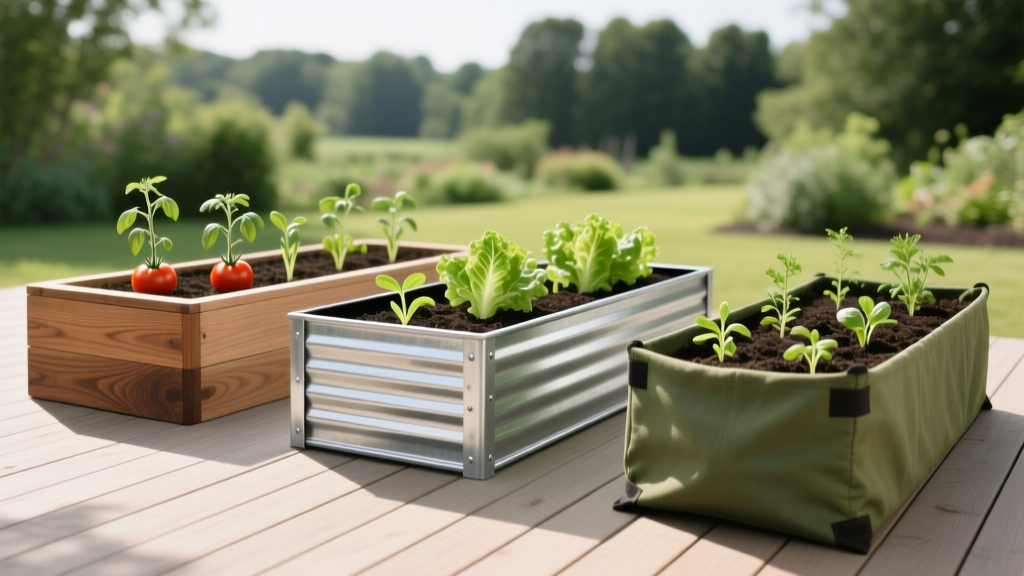
Top Raised Garden Bed Kits: Cedar vs Steel vs Fabric Reviewed
Lisa ThompsonPublished
The Great Debate: Choosing the Right Raised Garden Bed Kit
Raised bed gardening has revolutionized home food production, offering superior drainage, precise soil control, and reduced weed pressure. Whether you are growing deep-rooted heirloom tomatoes or shallow-rooted leafy greens, the physical structure of your bed dictates your garden's long-term success. But with dozens of kits flooding the market, choosing the right material is a daunting task. In this comprehensive product review and comparison guide, we break down the three most popular raised garden bed materials—Western Red Cedar, Galvanized Steel, and Heavy-Duty Fabric—to help you invest your gardening budget wisely.
Western Red Cedar Beds: The Traditionalist's Choice
For decades, untreated Western Red Cedar has been the gold standard for wooden raised beds. Cedar contains natural oils that resist rot, decay, and insect damage without the need for toxic chemical treatments. Aesthetically, cedar offers a classic, natural look that blends seamlessly into traditional garden landscapes, eventually weathering to a beautiful silvery-gray if left unsealed.
Top Pick: Gardener's Supply Company Cedar Raised Beds
Gardener's Supply offers premium, thick-cut cedar kits that utilize aluminum corner brackets for exceptional structural integrity. Unlike cheap, thin cedar boards found at big-box hardware stores that warp after two seasons, these 1.5-inch thick boards are designed to withstand the outward pressure of wet soil.
- Pros: Beautiful natural aesthetic, chemical-free, excellent insulation against temperature swings, easily customizable with trellis add-ons.
- Cons: Highest upfront cost, requires occasional sealing with raw linseed oil to maintain color, eventually succumbs to rot after 10-15 years.
- Cost: $180 - $250 for a standard 4x8 foot kit (11 inches deep).
- Assembly Time: 45 minutes with a power drill.
Galvanized Steel Beds: The Modern Workhorse
Galvanized steel, specifically Aluzinc-coated steel, has taken the gardening world by storm. Aluzinc is an alloy coating of aluminum and zinc that provides extreme corrosion resistance, far outperforming standard galvanized metal. Steel beds are virtually indestructible, immune to rot, and offer a sleek, modern aesthetic that appeals to contemporary urban homesteaders.
Top Pick: Vego Garden Modular Aluzinc Steel Beds
Vego Garden has dominated the steel bed market with their modular, modular designs. Their 17-inch tall beds are ergonomically friendly, saving your back from excessive bending. The modular nature allows you to configure the bed into various shapes (L-shape, oval, or standard rectangle) using the same panels.
- Pros: 20+ year lifespan, pest-proof (gophers and moles cannot chew through), modular configurations, warms up faster in spring extending the growing season.
- Cons: Can heat up soil too much in extreme southern climates, sharp edges require included rubber safety trim, higher shipping weight.
- Cost: $130 - $200 for a 4x8 foot modular kit (17 inches deep).
- Assembly Time: 60 minutes (requires tightening dozens of nuts and bolts).
Fabric Raised Beds: The Budget-Friendly Innovator
Fabric raised beds, often made from BPA-free, heavy-duty geotextile polypropylene, are the ultimate solution for renters, budget-conscious gardeners, or those with poor native soil and limited space. The porous nature of the fabric provides unparalleled drainage and promotes 'air-pruning,' a process where roots stop growing when they hit the air at the fabric edge, preventing root circling and promoting a dense, fibrous root system.
Top Pick: Smart Pot Raised Garden Bed
The Smart Pot brand pioneered fabric growing containers. Their large-format raised beds (such as the 4x4 or 4x8 foot models) feature reinforced handles and sturdy perimeter stitching. While they lack the rigid structure of wood or steel, they are incredibly effective for high-yield root crops like potatoes and carrots.
- Pros: Extremely affordable, lightweight, folds flat for winter storage, superior drainage and root aeration, no assembly required.
- Cons: Short lifespan (3-5 years before UV degradation), dries out very quickly requiring daily watering in summer, lacks structural rigidity.
- Cost: $40 - $70 for a 4x8 foot bed (12 inches deep).
- Assembly Time: 2 minutes (simply unroll and place).
Head-to-Head Comparison Chart
| Feature | Western Red Cedar | Aluzinc Steel | Heavy-Duty Fabric |
|---|---|---|---|
| Average Cost (4x8) | $215 | $165 | $55 |
| Expected Lifespan | 10 - 15 Years | 20 - 30 Years | 3 - 5 Years |
| Soil Temperature | Stable / Insulated | Warms Quickly | Ambient / Cools Fast |
| Moisture Retention | Moderate | High | Low (Dries Fast) |
| Best Crop Types | Perennials, Berries | Tomatoes, Peppers | Potatoes, Carrots |
| Eco-Friendliness | High (Biodegradable) | Medium (Recyclable) | Low (Plastic-based) |
The Hidden Cost: Soil Volume and Preparation
When budgeting for a raised garden bed kit, the structure itself is only half the expense. Filling the bed with high-quality soil is where the true cost lies. A standard 4x8 foot bed that is 12 inches deep requires exactly 32 cubic feet of soil. Bagged potting soil can cost upwards of $8 per cubic foot, meaning you could easily spend $250 just to fill a single bed.
To save money, we recommend the bulk soil method. Contact a local landscape supply yard and order a 'raised bed mix'—typically a blend of 50% premium topsoil, 30% compost, and 20% coarse sand or perlite for drainage. This will cost roughly $40 to $60 per cubic yard (27 cubic feet), saving you hundreds of dollars over bagged alternatives.
Expert Advice on Bed Placement and Drainage
No matter which kit you purchase, proper placement is critical. According to the Utah State University Extension, 'Raised beds warm up faster in the spring, allowing for earlier planting, but they also dry out more quickly and require careful irrigation management.' The extension office advises orienting your beds north-to-south to maximize sun exposure across the entire width of the bed, ensuring your crops receive the minimum requirement of 6 to 8 hours of direct sunlight.
Expert Tip: Never place a raised bed directly on a concrete patio or compacted clay without first loosening the native soil beneath it. If drainage is completely blocked, your raised bed will become a waterlogged bathtub, leading to root rot and anaerobic soil conditions.
For cedar and steel beds, we highly recommend lining the bottom with heavy-duty hardware cloth (1/2 inch galvanized wire mesh) before adding soil. This costs about $30 per roll and provides an impenetrable barrier against burrowing pests like gophers and voles, which can decimate a root vegetable harvest overnight.
Final Verdict: Which Kit Should You Buy?
Your ideal raised garden bed kit depends entirely on your budget, physical capabilities, and long-term gardening goals.
- Choose Western Red Cedar if you prioritize a traditional, natural aesthetic, want to avoid metal heating up in extreme southern climates, and don't mind replacing the bed in a decade.
- Choose Aluzinc Steel (Vego Garden) if you want a 'buy it for life' garden structure, suffer from burrowing pests, or want the ergonomic benefits of a taller bed without the massive cost of stacking wood.
- Choose Fabric (Smart Pot) if you are a renter who needs to move the garden eventually, have a strict budget, or want to experiment with intensive root crop cultivation on a driveway or paved surface.
Ultimately, all three materials will yield fantastic harvests if paired with the right soil blend, consistent watering, and a heavy layer of organic mulch to retain moisture. Happy gardening!
