
Lawn Care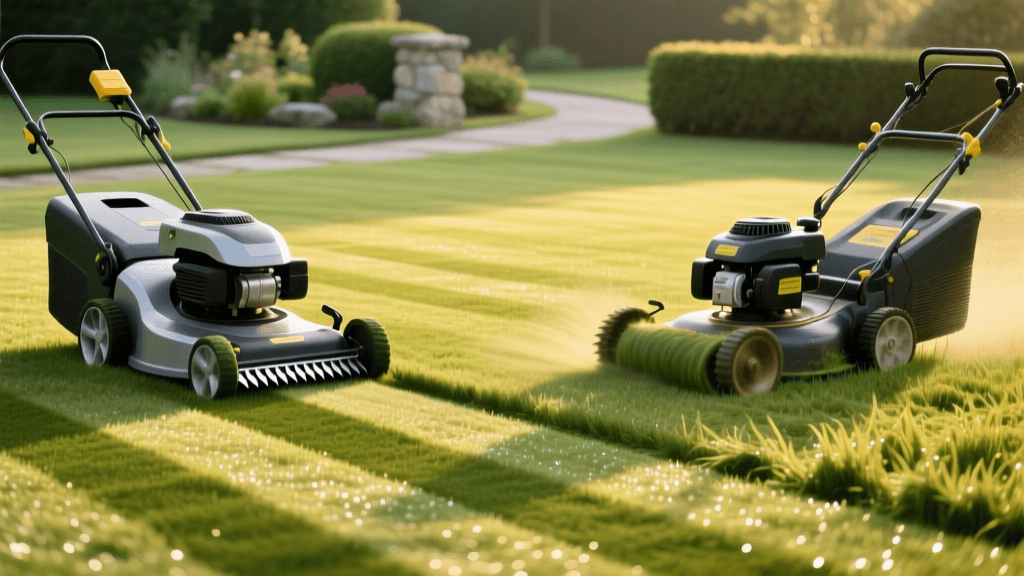
Reel vs Rotary Mower for Bermuda Grass: 2026 Photo Guide
The Visual Impact of Mowing on Bermuda Grass
Welcome to 2026, where lawn care transcends basic yard maintenance and enters the realm of digital art, landscape photography, and high-resolution documentation. For homeowners and landscape professionals alike, capturing the lush, carpet-like beauty of a well-manicured lawn is a point of pride. Bermuda grass (Cynodon dactylon) remains one of the most popular warm-season turfgrasses due to its aggressive growth, drought tolerance, and ability to be cut at incredibly low heights. However, when viewed through the lens of a modern high-megapixel camera or a 4K drone, the method you use to cut your grass drastically alters its visual appeal.
The ongoing debate between reel mowers and rotary mowers is no longer just about agronomic health or cutting speed; it is fundamentally about optics. Whether you are building a time-lapse portfolio of your lawn's seasonal progression, shooting macro photography of turf texture, or capturing sweeping drone footage for social media, understanding the mechanical differences between these two mower types is essential for achieving a camera-ready finish.
The Optics of the Cut: Scissor vs. Impact
To understand why your lawn might look brown or frayed in photographs, we must examine the physics of the cut. Rotary mowers, including advanced 2026 models like the EGO Power+ 21-inch Select Cut or the Honda HRX series, rely on a single horizontal blade spinning at roughly 3,000 RPM. This high-speed impact creates a vacuum that stands the grass up before slicing it. While effective for tall or overgrown grass, the impact often shreds the delicate tip of the Bermuda grass blade.
Under a macro lens, or even in high-definition drone footage shot at low altitudes, these shredded tips are highly visible. The damaged plant tissue loses moisture rapidly and turns a pale white or brown within 24 to 48 hours. In landscape photography, this 'fray effect' creates a hazy, brownish cast over the lawn, completely destroying the vibrant, deep green aesthetic you are trying to document.
Conversely, reel mowers utilize a spinning cylinder of helical blades that pass against a stationary bottom plate known as a bedknife. This creates a precise scissor-cutting action. The blade is severed cleanly, which immediately seals the plant tissue, retaining moisture and preserving the rich green chlorophyll color right to the very tip. When light hits a reel-cut Bermuda lawn, the uniform, clean edges reflect sunlight evenly, resulting in a lush, velvety texture that photographs beautifully in any lighting condition.
Mastering Lawn Striping for Dramatic Photography
Photography is, at its core, the manipulation of light. The highly coveted 'golf course stripe' is not actually a difference in grass color, but rather a difference in how light reflects off the grass blades. When grass is bent away from you, the top of the blade reflects light, appearing lighter. When bent toward you, the underside of the blade absorbs light, appearing darker.
Reel mowers are the undisputed champions of striping. Most premium reel mowers, such as the TruCut H-20 or the battery-powered Swardman Edwin 41, feature heavy rear rollers specifically designed to lay the grass down uniformly in the direction of travel. This creates sharp, high-contrast stripes that add immense depth, geometry, and leading lines to your landscape photographs. Rotary mowers, even those equipped with aftermarket striping kits, often leave the grass standing somewhat upright due to the chaotic airflow generated by the rotary blade, resulting in muted, low-contrast stripes that fail to pop on camera.
Comparison Chart: Reel vs. Rotary for Photographers
| Feature | Reel Mower (e.g., TruCut, McLane) | Rotary Mower (e.g., EGO, Honda) |
|---|---|---|
| Cut Quality | Scissor-cut; seals moisture, vibrant green tips | Impact-cut; tears tissue, causes brown tip haze |
| Striping Ability | Exceptional; heavy rear roller bends grass uniformly | Moderate; chaotic airflow disrupts grass lay |
| Low-Height Aesthetics | Flawless at 0.5 - 1.0 inches; carpet-like finish | Scalps lawn below 1.5 inches; exposes brown thatch |
| Macro Photography | Clean, sharp blade edges; highly photogenic | Frayed, jagged edges; looks damaged up close |
| Drone Photography | High-contrast geometric patterns and stripes | Muted patterns; uniform but flat coloration |
| Maintenance | Requires backlapping and precise bedknife adjustment | Simple blade removal and sharpening |
Agronomic Health: The Foundation of a Photogenic Lawn
A fundamental rule of garden photography is that healthy subjects photograph best. Bermuda grass thrives when maintained at lower mowing heights, typically between 0.5 and 1.5 inches for hybrid varieties like TifTuf or Celebration Bermuda. According to the Clemson University Home & Garden Information Center, maintaining Bermuda grass at these lower heights encourages lateral growth and dense tillering, which creates the thick, carpet-like surface highly desired in landscape design.
Reel mowers are engineered specifically for these low heights. They glide over the soil contour, cutting the grass evenly without disturbing the earth. Rotary mowers, however, struggle at heights below 1.5 inches. The spinning blade creates a vacuum that can scalp the lawn, sucking up soil and exposing the brown thatch layer and dirt patches. In a photograph, these scalped patches appear as dead zones, ruining the continuity of the green canvas. Furthermore, Purdue University Turfgrass Science notes that the tearing action of dull rotary blades increases the lawn's susceptibility to fungal diseases like dollar spot, which manifest as unsightly brown rings that are immediately obvious in aerial documentation.
Documenting Your Lawn: 2026 Photography Techniques
If you are dedicated to documenting your lawn care journey in 2026, pairing the right mower with the right photographic technique is crucial.
1. Drone Mapping and Aerial Time-Lapses
Using a drone like the DJI Air 3S allows you to capture the geometric perfection of reel-mowed stripes from a top-down perspective. To document growth over time, set your drone to a GPS-locked waypoint and capture a top-down photo at the exact same altitude every Saturday morning. When stitched together into a time-lapse, the clean, scissor-cut regrowth of a reel-mowed Bermuda lawn looks like a breathing, velvet carpet, whereas a rotary-mowed lawn will appear jagged and uneven in fast-forward.
2. Macro Texture and Worm's-Eye View
To showcase the density of your Bermuda grass, get down to the soil level. Using a mirrorless camera with a 24-70mm f/2.8 lens, place the camera directly on the turf (using a protective ground pod). Shoot upward at a low angle during the 'golden hour' just after sunrise. The backlighting will illuminate the clean, scissor-cut tips of the reel-mowed grass, creating a glowing, translucent green halo that is impossible to achieve with the frayed tips left by a rotary mower.
3. Polarization and Glare Reduction
Grass blades are covered in a waxy cuticle that reflects harsh sunlight, often causing blown-out highlights in your photos. Attach a Circular Polarizer (CPL) filter to your lens. By rotating the filter, you can cut through the surface glare, revealing the deep, saturated, true-green color of the healthy Bermuda grass beneath. This technique is especially effective on reel-cut lawns, where the uniform lay of the grass allows the polarizer to work consistently across the entire frame.
2026 Gear Recommendations for the Visual Purist
For those prioritizing the visual documentation of their Bermuda grass, investing in the right equipment is non-negotiable.
- The Premium Reel Choice: The Swardman Edwin 41 (2026 Edition) offers an electric, whisper-quiet reel cut with interchangeable cassettes for verticutting. Its heavy rear roller produces the sharpest stripes in the industry, making it the ultimate tool for photography-focused lawn enthusiasts.
- The Powered Workhorse: The McLane 20-inch Powered Reel Mower remains a staple for larger Bermuda lawns. It provides the aggressive cutting power needed for thick, fast-growing summer Bermuda while maintaining the scissor-cut finish required for high-res documentation.
- The Rotary Compromise: If your budget or terrain restricts you to a rotary mower, the EGO Power+ 21-inch Select Cut with its multi-blade system is the best 2026 option. However, you must sharpen the blades every 10 hours of use and utilize a heavy striping kit to minimize the visual impact of the tear.
- Camera Gear: Pair your lawn care with a Sony A7IV or a high-end smartphone with a dedicated macro lens attachment to truly appreciate the difference in cut quality.
Conclusion
As lawn care continues to merge with digital documentation and landscape artistry in 2026, the tools you choose dictate the final image. While rotary mowers offer undeniable convenience for general yard work, they simply cannot compete with the optical superiority of a reel mower when it comes to Bermuda grass. The scissor-cut finish, the deep green color retention, and the high-contrast striping capabilities of a reel mower transform a simple yard into a photogenic masterpiece. By understanding the visual mechanics of your mowing equipment and applying modern photography techniques, you can elevate your lawn documentation from basic snapshots to stunning landscape art.