Pest Control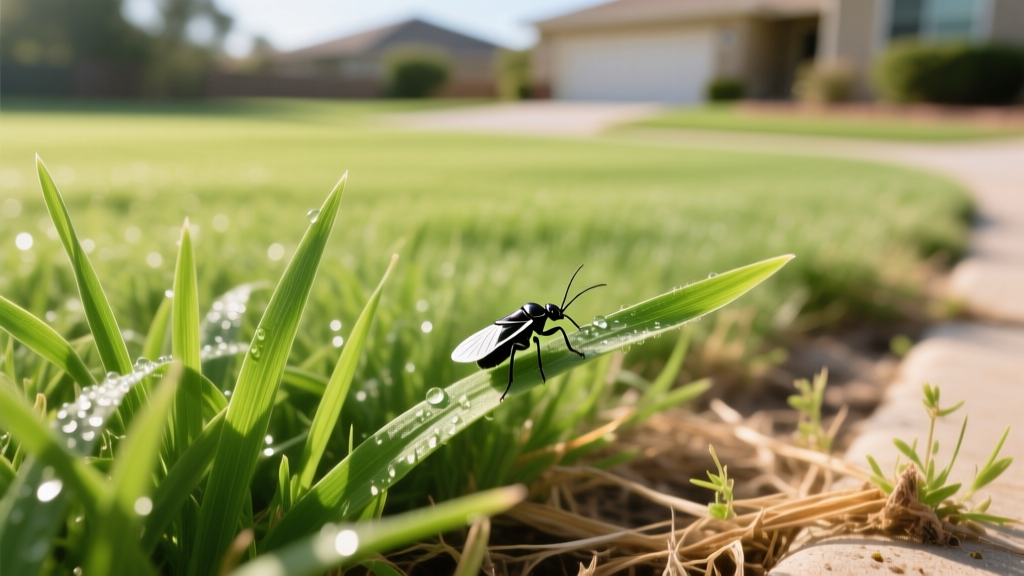
Guide To Southern Chinch Bug Control In Warm Lawns
Mike RodriguezPublished
The Threat of Southern Chinch Bugs in Hot, Humid Climates
For homeowners across the Deep South, Gulf Coast, and subtropical regions of Florida and Texas, maintaining a lush, warm-season lawn is a point of pride. However, the relentless summer heat and high humidity that allow grasses like St. Augustine, Zoysia, and Centipede to thrive also create the perfect breeding ground for one of the most destructive turf pests in the region: the Southern chinch bug (Blissus insularis). Unlike general lawn pests that may attack sporadically, Southern chinch bugs are uniquely adapted to the hot, dry microclimates found within irrigated Southern lawns. They thrive in open, sunny areas where the thatch layer provides a protective canopy from predators while allowing the soil surface to bake in the summer sun.
According to entomologists at the University of Florida IFAS Extension, Southern chinch bugs can complete a life cycle in as little as three to four weeks during the peak of summer. This rapid reproduction means that a minor spring infestation can explode into a lawn-killing plague by late July, with overlapping generations of nymphs and adults feeding simultaneously. Because they inject a salivary toxin into the grass blades while feeding on plant sap, the damage is often swift, severe, and highly visible, turning vibrant green turf into patchy, straw-colored wastelands.
Identifying the Pest: Bug Damage vs. Drought Stress
One of the greatest challenges in regional pest control is distinguishing chinch bug damage from environmental stress. In the South, summer drought stress, fungal diseases like brown patch, and chinch bug damage look nearly identical to the untrained eye. All three present as irregular yellow or brown patches that expand outward, often starting near sidewalks, driveways, or south-facing slopes where heat radiates and soil dries out fastest.
However, there are distinct clinical signs of a chinch bug invasion. The Clemson Cooperative Extension notes that chinch bug damage typically features a yellowing halo around the perimeter of the dead patch before the grass completely collapses. If you part the grass at the edge of the dying zone and look closely at the soil line and thatch layer, you may spot the insects themselves. Adults are small (about 1/8 to 1/5 inch long), black, and feature distinctive white wings with a dark triangular marking. Nymphs are even more telling: early instars are bright red with a white band across their abdomen, eventually turning gray and then black as they mature.
The Tin Can Flush Test
To confirm an infestation before applying costly chemical treatments, perform a simple flush test. Remove both ends of a standard coffee can or large tin can. Push the can about two inches into the soil at the margin of a damaged area. Fill the can with water and wait for five to ten minutes. If chinch bugs are present, they will float to the surface. Finding more than 20 to 25 chinch bugs per square foot warrants immediate curative action.
Climate-Specific Prevention Strategies
In Integrated Pest Management (IPM), cultural controls are your first line of defense. Southern climates require specific turf management practices to make the environment less hospitable to chinch bugs.
- Thatch Management: St. Augustinegrass is notorious for rapid thatch buildup. A thatch layer thicker than 1/2 inch provides an ideal, moisture-retaining habitat for chinch bug nymphs while blocking water and insecticides from reaching the soil. Core aeration and vertical mowing (dethatching) should be performed in late spring, just as the grass breaks dormancy, to physically disrupt their habitat.
- Strategic Irrigation: Chinch bugs flourish in hot, dry soil. While Southern lawns need deep watering, frequent, shallow sprinkling creates the exact humid surface conditions nymphs need to survive without drowning. Water deeply and infrequently, aiming for 1 inch of water per week, applied in one or two early-morning sessions.
- Optimal Mowing Heights: Never scalp a Southern lawn in the summer. Maintain St. Augustinegrass at a height of 3.5 to 4.0 inches. Taller grass shades the soil surface, lowering the soil temperature and making the microclimate far less attractive to heat-loving chinch bugs.
- Cultivar Selection: Historically, the 'Floratam' St. Augustine cultivar was highly resistant to chinch bugs. However, the Texas A&M AgriLife Extension reports that biotypes of chinch bugs have overcome this resistance in many parts of Florida and Texas. When laying new sod, consider newer, highly tolerant cultivars like 'CitrusBlue', 'Palmetto', or 'Provista', which exhibit better natural resilience and require fewer chemical interventions.
Biological and Organic Controls
Before reaching for synthetic chemicals, encourage the natural predators that thrive in Southern ecosystems. Big-eyed bugs (Geocoris species) and minute pirate bugs are voracious predators of chinch bug eggs and nymphs. Broad-spectrum insecticides will wipe out these beneficial insects, leading to secondary pest outbreaks. If you prefer an organic approach, products containing the entomopathogenic fungus Beauveria bassiana can be highly effective. This naturally occurring fungus infects and kills chinch bugs without harming mammals, birds, or beneficial pollinators. Apply fungal sprays in the late evening when UV degradation is minimal and humidity is rising, which promotes fungal spore germination on the insect's cuticle.
Chemical Control: Timing and Active Ingredients
When populations exceed the economic threshold, targeted chemical control is necessary. The key to success in the South is timing applications to target the vulnerable nymph stages rather than the resilient adults. Furthermore, because Southern chinch bugs have developed severe resistance to several chemical classes, rotating Insecticide Resistance Action Committee (IRAC) groups is mandatory.
| Control Type | Active Ingredient (IRAC Group) | Best Application Timing | Notes for Southern Lawns |
|---|---|---|---|
| Preventative | Chlorantraniliprole (Group 28) | Early Spring (April-May) | Long residual. Safe for beneficials. Apply before eggs hatch. |
| Preventative | Imidacloprid (Group 4A) | Late Spring (May-June) | Systemic action. Must be watered into the root zone immediately. |
| Curative | Bifenthrin (Group 3A) | Peak Summer (July-Aug) | Fast knockdown of adults. High resistance risk; rotate classes. |
| Curative | Clothianidin (Group 4A) | Mid-Summer Outbreaks | Excellent translaminar movement. Effective against hidden nymphs. |
Cost Consideration: Professional pest control treatments typically cost $75 to $150 per application for an average 5,000 sq ft lawn. DIY granular products, such as those containing Bifenthrin, cost around $25 to $35 per bag and can cover up to 10,000 sq ft, making them highly cost-effective for vigilant homeowners.
Step-by-Step Summer Treatment Protocol
If you must apply a curative granular insecticide during the heat of a Southern summer, follow this strict protocol to ensure efficacy and prevent turf burn:
- Mow First: Mow the lawn and remove heavy clippings to ensure the granules reach the thatch and soil line rather than getting trapped on grass blades.
- Apply Evenly: Use a rotary spreader calibrated to the manufacturer's specifications. Apply the product evenly across the entire lawn, not just the visibly damaged spots, as nymphs are likely hiding in the adjacent green grass.
- Water In Immediately: This is the most critical step. Apply 1/4 to 1/2 inch of irrigation immediately after spreading. This washes the active ingredient off the grass blades (preventing phototoxicity and UV degradation) and moves it into the thatch layer where the bugs are feeding.
- Stay Off the Lawn: Keep children and pets off the treated area until the grass is completely dry.
Post-Treatment Lawn Recovery in the South
Killing the chinch bugs is only half the battle; the grass must recover. Because chinch bug saliva is toxic, the affected grass blades will not turn green again. However, the stolons and roots often survive if treated early. To stimulate recovery in warm-season grasses, apply a light, slow-release nitrogen fertilizer (such as a 15-0-15 with micronutrients) about one week after your insecticide application. Ensure the soil remains consistently moist but not waterlogged. In the deep South, warm-season grasses possess aggressive lateral growth habits. With proper irrigation and nutrition, St. Augustine and Zoysia lawns will send out new runners to fill in the dead patches within three to four weeks, restoring your lawn's dense, carpet-like appearance before the autumn transition.