
Landscaping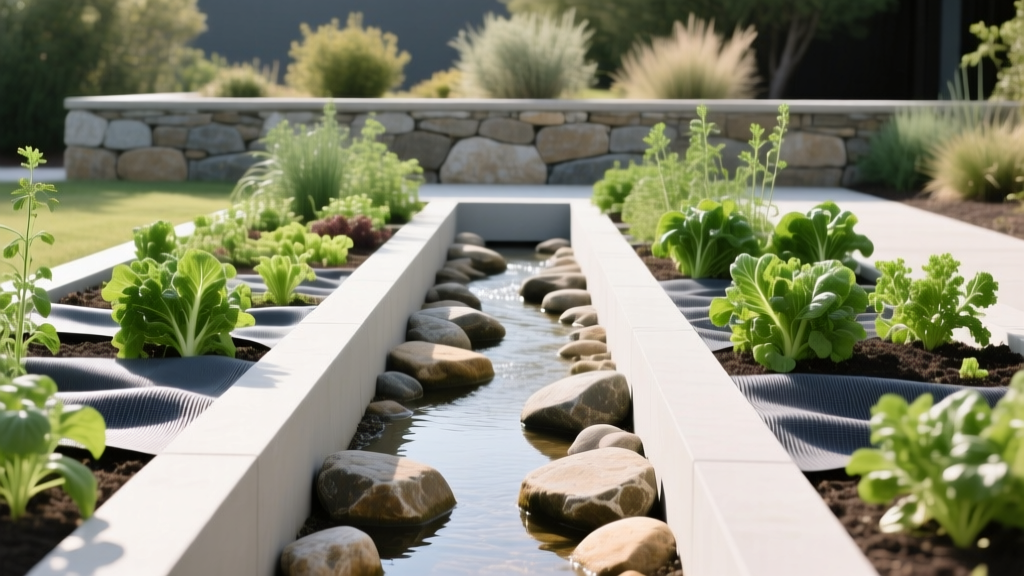
2026 Dry Creek Bed Design for Raised Vegetable Gardens
Sarah ChenPublished
The Intersection of Hardscaping and Raised Bed Vegetable Gardening
Raised bed vegetable gardening has completely transformed how home growers approach soil health, pest management, and crop yields. By elevating the planting zone, gardeners gain superior control over soil composition and drainage within the bed itself. However, as we move through the 2026 growing season, landscape designers and master gardeners are increasingly focusing on what happens outside the wooden or metal walls of these beds. When heavy spring rains hit, the very structure that protects your vegetables can create severe runoff issues, turning the pathways between your raised beds into muddy, eroded trenches. This is where the strategic integration of a dry creek bed design using river rock and landscape fabric becomes an essential landscaping solution.
The Drainage Dilemma in Raised Bed Gardens
Raised beds act as physical barriers to natural surface water flow. When rain falls on the broad, flat surfaces of your vegetable beds, the excess water quickly drains out of the bottom and sides. If your garden is situated on even a slight slope, this concentrated runoff will aggressively carve out the soil in your walking paths. According to the EPA's guidelines on green infrastructure techniques, managing surface runoff at the source is critical to preventing soil erosion and protecting local water quality from fertilizer-laden sediment. In a vegetable garden, this eroded sediment often contains the expensive organic compost and fertilizers you just applied, washing your investment right out of the yard.
Why a Dry Creek Bed is the Ultimate 2026 Solution
A dry creek bed is a shallow, landscaped trench lined with landscape fabric and filled with varying sizes of river rock. It mimics the appearance of a natural, meandering streambed while functioning as a highly efficient French drain alternative. For raised bed vegetable gardens in 2026, dry creek beds offer a dual-purpose benefit: they provide a permanent, mud-free pathway for wheelbarrows and harvesting carts, while safely channeling excess irrigation and rainwater away from the root zones of your crops. Unlike solid concrete paths that create more runoff, the permeable nature of river rock allows water to slowly percolate into the subsoil, recharging the local water table without drowning your vegetables.
Selecting Your Materials: River Rock and Landscape Fabric
The longevity of your dry creek bed depends entirely on the quality of the materials you choose. In 2026, the industry standard for weed suppression beneath hardscaping is heavy-duty woven polypropylene landscape fabric. Avoid cheap, non-woven fabrics; they trap water, degrade under UV exposure if exposed, and tear easily under the weight of river rock. Woven fabric allows water to pass through while blocking weed seeds from germinating in the soil below.
For the stone, you need a combination of base gravel and decorative river rock. The base layer requires angular crushed gravel to lock together and provide a stable foundation, while the top layer utilizes smooth, rounded river stones to create the visual illusion of flowing water and allow debris to wash over the surface without catching.
| Material | Specification | Purpose | Est. 2026 Cost (Bulk) |
|---|---|---|---|
| Woven Landscape Fabric | 4.1 oz/sq yd Polypropylene | Weed block & water permeation | $0.45 - $0.65 / sq ft |
| Base Gravel | 3/4-inch Crushed Washed Gravel | Structural base & deep drainage | $45 - $60 / ton |
| River Rock (Medium) | 3-inch to 5-inch Smooth Stone | Top layer aesthetics & flow | $120 - $180 / ton |
| Landscape Pins | 6-inch Galvanized Steel | Securing fabric to soil | $15 / 50-pack |
Step-by-Step Installation Guide
Installing a dry creek bed between your raised vegetable beds requires careful planning and physical labor, but the results will protect your garden infrastructure for decades. Understanding the USGS data on surface runoff and the water cycle helps us realize that water always follows the path of least resistance; your goal is to make the creek bed that path.
Step 1: Mapping the Runoff
Before digging, wait for a heavy rainstorm or use a garden hose to simulate one. Observe how water exits the drainage holes or overflows the edges of your raised beds. Mark the natural low points and the path the water takes with landscaping spray paint. Your dry creek bed should follow this natural flow, meandering slightly to look organic rather than like a rigid, straight ditch.
Step 2: Trenching the Path
Dig a trench approximately 18 to 24 inches wide and 12 inches deep along your marked path. Ensure the trench has a slight downward slope (a 1% to 2% grade is ideal) to encourage water movement toward your designated exit point, such as a rain garden, dry well, or municipal storm drain. Tamp down the soil at the bottom of the trench to create a firm base.
Step 3: Laying the Landscape Fabric
Roll out your heavy-duty woven landscape fabric over the trench. The fabric should extend at least 6 inches beyond the edges of the trench on both sides to prevent weeds from creeping in from the adjacent raised bed soil. Overlap any seams by at least 6 inches. Secure the fabric to the soil using 6-inch galvanized landscape pins every 3 feet to ensure it does not shift when you add the heavy stones.
Step 4: Placing the Base Gravel
Add a 3-inch to 4-inch layer of 3/4-inch crushed washed gravel over the fabric. This angular gravel will lock together when compacted, creating a stable, permeable sub-base that prevents the larger river rocks from sinking into the mud over time. Use a hand tamper to compact this base layer thoroughly.
Step 5: Arranging the River Rock
Finally, add your 3-inch to 5-inch river rock to a depth of about 4 to 6 inches. Do not simply dump the rocks and leave them; arrange them by hand to mimic a natural streambed. Place larger, darker stones along the outside curves of the meandering path to simulate erosion banks, and use lighter, smaller stones in the center to represent the main water channel.
Integrating the Creek Bed with Your Vegetable Garden Layout
To seamlessly blend the hardscaping of the dry creek bed with the lushness of your raised bed vegetable garden, you must soften the edges. Plant low-growing, moisture-tolerant perennials along the 'banks' of the creek bed where the fabric meets the soil. Excellent choices for 2026 include creeping thyme, sweet flag (Acorus), and dwarf mondo grass. These plants will help anchor the landscape fabric, prevent soil from washing over the rocks, and attract beneficial pollinators to your vegetable crops without growing tall enough to cast shade on your sun-loving tomatoes and peppers.
Maintenance and Long-Term Upkeep
One of the greatest advantages of a river rock dry creek bed is its minimal maintenance requirements. However, because it is situated near vegetable beds, organic debris like fallen leaves, spent plant stalks, and mulch will inevitably wash into the stones. Never use a metal rake to clean the rocks, as this will tear the underlying landscape fabric. Instead, use a leaf blower on a low setting to clear debris, or gently rinse the stones with a hose nozzle to flush accumulated silt down the channel. Inspect the fabric edges annually and add a fresh layer of mulch to the adjacent raised beds to keep the transition zone looking crisp and professional.

