Gardening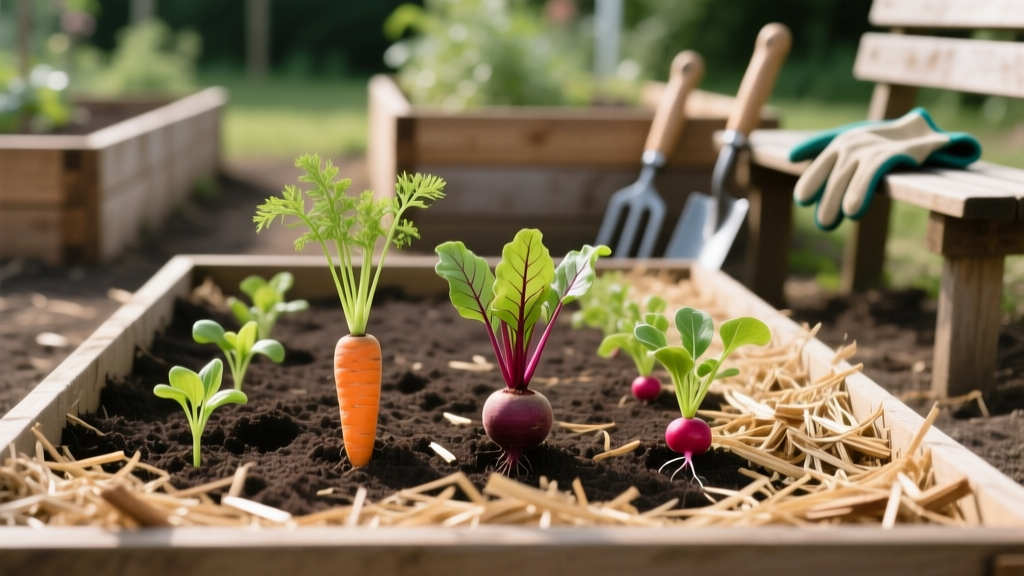
2026 Root Crop Spacing & Mulching Guide: Carrots, Beets & Radishes
Mike RodriguezPublished
The 2026 Guide to Spacing and Mulching Root Vegetables
Growing root vegetables like carrots, beets, and radishes requires a delicate balance of precise spacing and strategic soil coverage. In the 2026 growing season, home gardeners are increasingly recognizing that what happens above the soil directly dictates the geometry and health of the harvest below it. While mulching is a universal best practice for weed suppression and moisture retention in the garden, applying mulch to root crops presents a unique set of challenges. If applied too early, too thickly, or with the wrong materials, mulch can cause carrots to fork, beets to rot, and radishes to bolt prematurely.
This comprehensive guide bridges the gap between proper root vegetable spacing and the science of mulching methods. By understanding how these two elements interact, you can cultivate straight, sweet, and robust root crops while minimizing water usage and weed pressure throughout the 2026 summer and fall seasons.
Precision Spacing: The Foundation of Straight Roots
Before discussing mulching materials, we must establish the non-negotiable rules of root crop spacing. Root vegetables require physical room to expand their taproots and hypocotyls. When planted too densely, they compete for nutrients, water, and physical space, resulting in stunted, misshapen, or intertwined harvests. Furthermore, improper spacing makes the subsequent thinning process difficult, which can disturb the soil structure and damage the delicate root hairs of neighboring plants.
Carrots: The Deep Divers
Carrots require the loosest, deepest soil of the three crops. Because they grow deep taproots, they are highly susceptible to soil compaction and physical obstacles. Seeds should be sown shallowly, about one-quarter inch deep, and initially spaced about one inch apart. Once seedlings reach two inches in height, they must be thinned to a final spacing of two to three inches. This specific spacing allows enough room for the shoulders of the carrots to expand without touching, while keeping the canopy dense enough to shade the soil and prevent the exposed root shoulders from turning green and bitter.
Beets: The Multigerm Challenge
Beets present a unique spacing challenge because what looks like a single seed is actually a dried fruit cluster containing multiple embryos. This means a single 'seed' can produce three to five seedlings. Sow beet seeds one-half inch deep and one to two inches apart. Thinning is absolutely mandatory. Wait until the seedlings have developed their first set of true leaves, then thin them to a final spacing of three to four inches. The thinned beet seedlings are entirely edible and make excellent additions to early spring salads.
Radishes: The Sprinters
Radishes are the fastest-maturing root crop, often ready for harvest in just 25 to 30 days. Because of their rapid growth cycle, they do not require as much long-term spatial management as carrots or beets, but initial spacing is still vital to prevent overcrowding. Sow radish seeds one-half inch deep and thin them to two inches apart. If left unthinned, radishes will produce abundant leafy tops but fail to form the crisp, swollen bulbs gardeners desire.
Spacing and Mulching Data Chart
The following table outlines the critical metrics for spacing and the corresponding mulching requirements for the 2026 growing season.
| Crop | Initial Seed Spacing | Final Thinning Spacing | Row Spacing | Ideal Mulch Material | Mulch Application Depth |
|---|---|---|---|---|---|
| Carrots | 1 inch | 2 to 3 inches | 12 to 18 inches | Finely screened compost or leaf mold | 0.5 to 1 inch |
| Beets | 1 to 2 inches | 3 to 4 inches | 12 to 18 inches | Dried grass clippings or fine straw | 1 to 2 inches |
| Radishes | 1 inch | 2 inches | 8 to 12 inches | None required (short season) | N/A |
The Mulching Dilemma for Root Crops
According to the University of Minnesota Extension, carrots and other root crops require loose, well-drained soil free of obstructions to develop properly. This is where traditional mulching methods often fail. Heavy, coarse mulches like wood chips, bark nuggets, or thick layers of unshredded leaves can create physical barriers. When a growing carrot taproot encounters a dense piece of mulch or a pocket of decomposing organic matter, it will often split or fork in an attempt to navigate around the obstacle.
The Danger of Nitrogen Tie-Up and Excess Moisture
Another critical factor is the carbon-to-nitrogen (C:N) ratio of your chosen mulch. Coarse, high-carbon mulches applied directly to the soil surface can tie up available nitrogen as soil microbes work to break them down, robbing your heavy-feeding beets of the nutrients they need to form large bulbs. Additionally, thick mulch layers can trap too much moisture against the crown of the plant. For beets and radishes, a constantly wet crown invites fungal pathogens and bacterial soft rot, particularly during the humid stretches of late summer.
Best Mulching Materials for 2026 Root Crop Gardens
To successfully mulch root vegetables without causing deformation or rot, you must select materials that are fine, lightweight, and capable of retaining moisture without becoming waterlogged. Here are the top recommended materials for the 2026 season:
- Finely Screened Compost: This is the gold standard for carrots. A light dusting of screened compost acts as a mulch while simultaneously providing a slow-release fertilizer. It will not cause forking and helps maintain a friable soil surface.
- Leaf Mold: Partially decomposed leaves (leaf mold) hold moisture exceptionally well and have a neutral pH. Ensure the leaves are shredded finely so they do not form a mat that repels water.
- Dried Grass Clippings: Excellent for beets, provided they are applied in thin layers (no more than half an inch at a time) and allowed to dry before adding more. Fresh, wet grass clippings will mat down, generate excessive heat, and burn the delicate stems of root crops.
- Fine, Weed-Free Straw: Ideal for the pathways between root crop rows and for lightly covering beet beds once the plants are well-established. Ensure you are using straw (the stalks of grain plants) and not hay, which is packed with viable weed seeds that will ruin your carefully spaced beds.
Conversely, the Penn State Extension advises against using raw wood products or fresh manure in vegetable beds, as these can introduce pathogens, create nitrogen deficiencies, and physically impede root growth.
Step-by-Step Mulching Timeline for Root Vegetables
Timing is just as important as the material you choose. Follow this chronological timeline to ensure your mulch supports rather than hinders your root crops.
Phase 1: Pre-Planting Soil Preparation (Early Spring)
Do not mulch before planting root crops. The soil needs to warm up to encourage rapid germination. Mulch acts as an insulator; if applied in early spring, it will keep the soil cold and delay seedling emergence, increasing the risk of seed rot. Instead, prepare your beds by forking in a generous amount of finished compost and raking the surface completely smooth and level.
Phase 2: Emergence and Early Weeding (Weeks 2-4)
As your carrots, beets, and radishes emerge, they will be tiny and vulnerable. Do not apply mulch yet. Root crop seedlings are notoriously poor competitors against weeds. Hand-weed carefully, ensuring you do not disturb the shallow roots of the seedlings. Water gently using a fine mist to avoid washing away the seeds or crusting the soil surface.
Phase 3: Thinning and Initial Mulching (Weeks 4-6)
Once the seedlings are a few inches tall, perform your final thinning according to the spacing chart above. Snip the unwanted seedlings at the soil line with scissors rather than pulling them, which prevents disturbing the roots of the remaining plants. Immediately after thinning, apply your first light layer of mulch (about half an inch of fine compost or dried grass clippings). This seals in the moisture disturbed by the thinning process and prevents weeds from colonizing the newly opened spaces.
Phase 4: Mid-Season Top Dressing (Weeks 6-10)
As the shoulders of your beets and carrots begin to push up through the soil surface, apply a second, slightly thicker layer of mulch to cover the exposed roots. This prevents sun-scald and the development of bitter, green shoulders on carrots. For beets, NC State Extension recommends ensuring consistent moisture during bulb formation, making this mid-season mulch application critical for preventing the roots from becoming woody or pithy.
Troubleshooting Common Root Crop Issues
Even with perfect spacing and mulching, gardeners may encounter a few common issues. If your carrots are consistently hairy or forked, your soil may still be too compacted, or you may be using a mulch that is too coarse. Switch to a pure compost top-dressing next season and consider growing shorter, Nantes-type carrot varieties that are less prone to forking. If your radishes are all leaves and no bulbs, they are likely planted too closely together, receiving too much nitrogen from heavy grass clipping mulch, or experiencing too much shade. Radishes require full sun and precise two-inch spacing to trigger bulb initiation. Finally, if your beets are bolting (going to seed) prematurely, they have likely experienced temperature stress. A light layer of leaf mold mulch can help buffer the soil temperature during unexpected early-summer heatwaves, keeping the roots cool and sweet.
Conclusion
Mastering the intersection of spacing and mulching is the key to unlocking the full potential of your root vegetable garden. By respecting the specific spatial needs of carrots, beets, and radishes, and pairing them with fine, moisture-retentive mulching materials applied at the correct time, you set the stage for a bountiful 2026 harvest. Remember that root crops are a lesson in patience and precision; the care you take above ground with your thinning shears and mulch layers will be richly rewarded when you finally pull those vibrant, crisp roots from the earth.
