Pest Control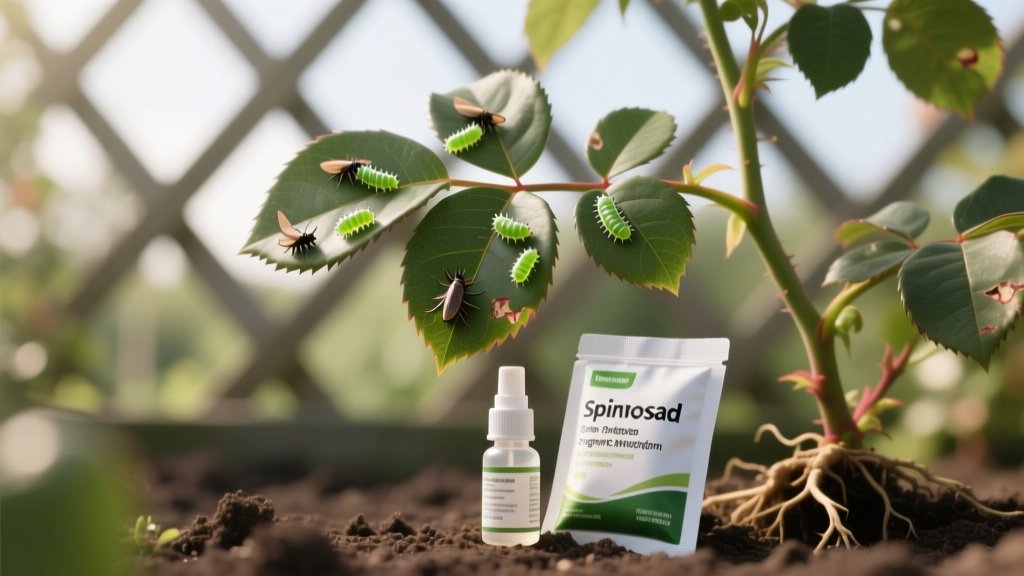
2026 Rose Sawfly Guide: Spinosad Treatment & Fertilizer Tips
Emily WatsonPublished
The Hidden Link Between Rose Fertilizer Schedules and Sawfly Infestations
As we navigate the 2026 growing season, rose enthusiasts are facing a familiar but frustrating adversary: the rose sawfly. Often mistakenly referred to as "rose slugs" due to their slimy, caterpillar-like appearance, these pests can skeletonize a prized rose bush in a matter of days. While most gardeners immediately reach for a pesticide when they see damaged foliage, the root cause of severe sawfly infestations often lies beneath the soil surface. Specifically, your fertilizer types and application schedules play a massive role in determining how attractive your roses are to egg-laying female sawflies.
Integrated Pest Management (IPM) in 2026 emphasizes that pest control begins with plant nutrition. Over-fertilizing, particularly with high-nitrogen synthetic blends, forces roses to push out rapid, soft, succulent new growth. Female sawflies specifically seek out this tender tissue to slit open with their ovipositors and deposit their eggs. By adjusting your fertilizer strategy and pairing it with targeted, organic Spinosad treatments, you can protect your roses without disrupting the local ecosystem. This comprehensive guide will walk you through exact identification, 2026 fertilizer scheduling, and precise Spinosad application timing.
Identifying Rose Sawfly Larvae in 2026
Before you can treat the problem, you must accurately identify the pest. Rose sawflies (Endelomyia aethiops) are not actually slugs or caterpillars; they are the larvae of a primitive wasp. According to the University of Minnesota Extension, these larvae are typically light green, semi-transparent, and measure about half an inch long when fully mature. They often have a distinctive slimy or glossy coating, which is why the nickname "rose slug" persists.
The damage they cause is highly distinctive. Early instar larvae feed on the upper surface of the leaf, consuming the soft green tissue but leaving the lower epidermis intact. This creates a "window-paning" or skeletonizing effect, where the leaf looks like a pane of frosted glass. As they mature, they will chew entirely through the leaf, leaving only the major veins behind. If left unchecked during the peak spring and early summer flushes of 2026, a heavy infestation will cause the rose bush to drop its leaves, severely stunting its growth and bloom production for the rest of the year.
The Fertilizer Connection: Why Your Feeding Schedule Matters
Why do some rose gardens get decimated by sawflies while neighboring yards remain untouched? The answer frequently comes down to nitrogen management. Synthetic, quick-release fertilizers (like standard 18-24-12 blends) cause a massive, sudden spike in sap pressure and cellular expansion. The resulting leaves are physically softer and contain higher levels of free amino acids, making them a nutritional goldmine for developing sawfly larvae.
Conversely, utilizing slow-release organic fertilizers provides a steady, moderate drip of nutrients. This encourages the rose to produce structurally sound, slightly tougher foliage that is inherently more resistant to pest penetration. Furthermore, staggering your fertilizer schedule prevents the entire bush from flushing all its tender growth at the exact moment the first generation of sawflies emerges in mid-spring.
Recommended 2026 Rose Fertilizer Schedule to Minimize Pests
To reduce sawfly vulnerability, transition your 2026 garden care routine to a balanced, slow-release feeding program. Below is a comparison of fertilizer types and their associated pest risks.
| Fertilizer Type | Typical NPK Ratio | Release Speed | Sawfly Vulnerability Risk | Best Application Timing |
|---|---|---|---|---|
| Synthetic Quick-Release Granular | 18-24-12 | Fast (Days) | High (Promotes soft, vulnerable flushes) | Avoid during peak spring sawfly emergence |
| Organic Slow-Release Granular | 4-3-2 or 5-4-3 | Slow (Weeks to Months) | Low (Promotes hardened, resilient tissue) | Early spring (post-pruning) & late summer |
| Liquid Kelp / Fish Emulsion | 2-3-1 | Immediate (Foliar/Drench) | Low-Medium (Good for stress recovery) | Monthly maintenance; avoid heavy nitrogen spikes |
| Compost / Worm Castings Top Dress | 1-1-1 | Very Slow (Months) | Extremely Low (Builds soil biology) | Apply 1-inch layer in early spring and fall |
By relying on organic granular fertilizers enriched with mycorrhizal fungi, you not only feed the rose but also build a robust root system capable of withstanding the stress of minor pest damage.
Spinosad Treatment for Rose Sawflies
When cultural controls like fertilizer management are not enough, or when a sudden population explosion occurs, Spinosad is the gold standard for organic rose care in 2026. Spinosad is a natural substance derived from a soil-dwelling bacterium (Saccharopolyspora spinosa) discovered in an abandoned rum distillery. According to the National Pesticide Information Center (NPIC), Spinosad works by overstimulating the insect's nervous system, leading to paralysis and death. It is highly effective against chewing insects like sawfly larvae but is remarkably safe for mammals and most beneficial insects once it has dried on the leaf surface.
Timing Spinosad Applications Around Fertilization
A critical mistake many gardeners make is applying liquid foliar fertilizers and Spinosad sprays at the same time, or in the wrong sequence. To maximize the efficacy of your pest control and your nutrient uptake, follow these 2026 timing rules:
- Do Not Tank-Mix: Never mix Spinosad directly with liquid fish emulsion or foliar kelp in the same sprayer. The oils and organic compounds in the fertilizer can bind to the Spinosad molecules, reducing their bioavailability and efficacy against the larvae.
- The 48-Hour Rule: If you are applying a liquid foliar fertilizer, wait at least 48 hours before applying a Spinosad spray. This allows the rose's stomata to absorb the nutrients and the leaf surface to normalize before the pesticide is introduced.
- Granular Fertilizer Synergy: If you are using a granular organic fertilizer that requires watering into the soil, apply your granular fertilizer and water it in first. Allow the foliage to dry completely, then apply your Spinosad spray the following evening. This prevents soil splash-back from washing the Spinosad off the lower leaves where sawflies prefer to feed.
Step-by-Step Spinosad Application Guide
To effectively eradicate a rose sawfly infestation without harming local pollinators, precision is key. Here is the standard operating procedure for treating roses in 2026:
- Select the Right Product: Look for trusted brands like Captain Jack's Deadbug Brew or Monterey Garden Insect Spray. In 2026, expect to pay between $18 and $25 for a 16-ounce concentrate bottle, which is more than enough to treat a medium-sized rose garden for the entire season.
- Mix the Solution: Dilute the Spinosad concentrate according to the label directions for ornamental shrubs (typically 2 fluid ounces per gallon of water). Shake the sprayer vigorously to ensure the bacterial suspension is evenly distributed.
- Time the Spray for Evening: Spinosad is highly toxic to bees when wet. However, once it dries (usually within 2 to 3 hours), it poses virtually no risk to pollinators. Always spray your roses at dusk or in the early evening when bees have returned to their hives. This also prevents the liquid from evaporating too quickly in the midday sun, ensuring thorough coverage.
- Target the Undersides: Sawfly larvae are photophobic and prefer to hide and feed on the undersides of the rose leaves. Use a sprayer with an adjustable nozzle to spray upward, ensuring the bottom of every leaf is coated until the point of runoff.
- Follow-Up Application: Spinosad does not have a long residual effect against newly hatched larvae. Because sawfly eggs hatch asynchronously, you must apply a second treatment 7 to 10 days after the first application to catch any late-emerging larvae before they can cause significant damage.
Integrating Soil Health and Long-Term Prevention
True pest control is a holistic endeavor. The fertilizer you choose dictates the plant's natural defenses, and the timing of your organic sprays ensures you eliminate pests without destroying the beneficial insects that patrol your garden. Ladybugs, lacewings, and parasitic wasps are natural predators of the rose sawfly. By avoiding broad-spectrum synthetic pesticides and relying strictly on targeted, evening-applied Spinosad, you preserve these beneficial populations.
Additionally, maintaining a 2-to-3-inch layer of organic mulch over your rose beds helps regulate soil moisture and slowly breaks down into humus, acting as a natural, ultra-slow-release fertilizer. This further prevents the dangerous nitrogen spikes that attract egg-laying female sawflies. By combining a disciplined, organic-heavy fertilizer schedule with precise Spinosad interventions, your roses will remain vigorous, heavily bloomed, and beautifully pest-free throughout the entirety of the 2026 growing season.