Pest Control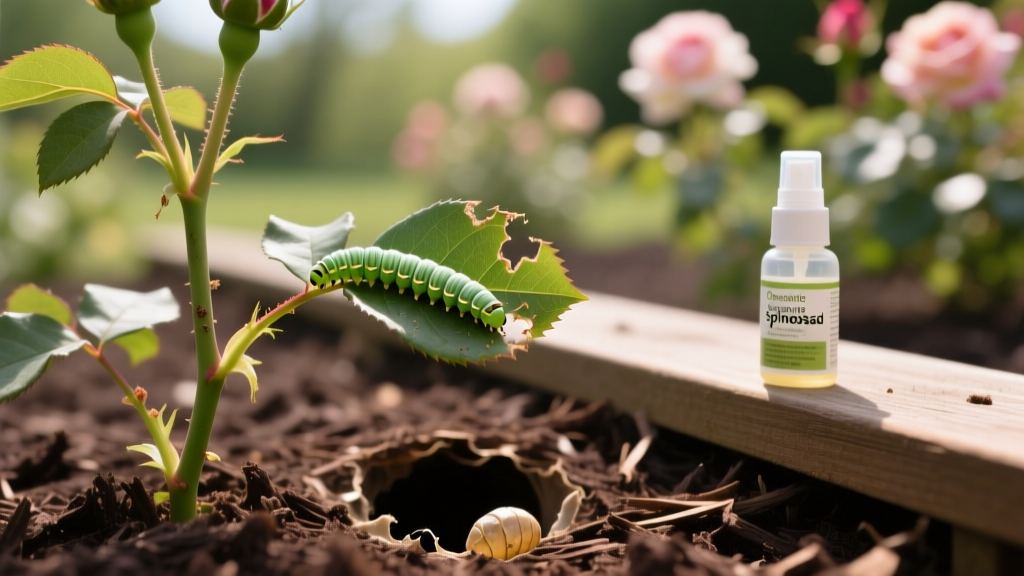
Rose Sawfly Larvae 2026: Spinosad & Mulch Control
Emily WatsonPublished
The 2026 Rose Sawfly Threat: Identification and Life Cycle
Rose sawflies, commonly referred to as 'rose slugs,' are a persistent threat to ornamental rose gardens. Despite their slimy, caterpillar-like appearance, these pests are actually the larvae of primitive wasps (Hymenoptera). In 2026, integrated pest management (IPM) strategies have evolved to focus heavily on the intersection of biological treatments and cultural soil practices. To effectively combat rose sawflies, gardeners must understand not just the foliar damage they cause, but how they interact with the soil and mulch layers during their life cycle.
Identification is the first step in any successful pest control protocol. Rose sawfly larvae are typically pale green, translucent, and measure about half an inch in length. Unlike true caterpillars, they lack prolegs and move with a looping or crawling motion. The damage they inflict is highly distinctive: young larvae skeletonize leaves by eating the soft tissue between the veins, leaving a lace-like or 'window-paned' appearance. Older larvae may consume entire leaves, leading to severe defoliation that weakens the rose bush and makes it susceptible to secondary fungal diseases like black spot.
The life cycle of the rose sawfly is where mulching methods become a critical vector for pest control. After feeding for several weeks, the mature larvae drop from the rose canes to the ground. They burrow into the top two to three inches of soil or settle within the organic mulch layer to spin cocoons and pupate. Depending on the species and climate, they may overwinter in this pupal stage, emerging as adult sawflies in the spring to lay eggs on the undersides of new rose leaves.
Strategic Mulching Methods to Disrupt Pupation
While most gardeners view mulch primarily as a tool for moisture retention and weed suppression, in the context of pest control, mulch materials and application methods can either harbor sawfly pupae or act as a formidable barrier against them. According to the University of Minnesota Extension, disrupting the overwintering and pupation sites of rose slugs is a vital cultural control method that reduces the need for heavy chemical interventions later in the season.
In 2026, IPM guidelines emphasize 'Barrier Mulching' and 'Seasonal Mulch Refreshing' as primary tactics against soil-dwelling pupae. If you use fine, heavily compacted organic mulches like shredded hardwood bark or damp leaf mold, you are inadvertently providing a humid, protected microclimate that is ideal for sawfly pupation and adult emergence. Conversely, selecting the right mulch materials and applying them at the correct depth can physically impede emerging adults and expose overwintering pupae to environmental stressors and beneficial ground predators.
Mulch Materials and Their Impact on Sawfly Control
| Mulch Material | Texture & Composition | Impact on Sawfly Pupation & Emergence | Best Application Method for Roses |
|---|---|---|---|
| Coarse Cedar Bark | Large, sharp, fibrous chunks | High disruption. The sharp edges and coarse texture physically deter larvae from burrowing and impede adult emergence. | Apply 2 inches deep, keeping 3 inches away from the rose crown to prevent rot. |
| Pine Needle (Pine Straw) | Long, interlocking, acidic needles | Moderate disruption. Creates a loose, dry matrix that discourages the humid conditions pupae prefer. | Apply 2-3 inches deep. Excellent for acid-loving rose varieties. |
| Shredded Hardwood | Fine, dense, moisture-retaining | Low disruption / High harbor. Retains moisture and provides a soft medium for larvae to burrow and overwinter safely. | Avoid using near roses with a history of sawfly infestations. |
| Inorganic Gravel / Pea Stone | Hard, heavy, inorganic stones | Maximum disruption. Creates an impenetrable physical barrier that prevents burrowing and traps emerging adults. | Use a 1-inch layer over a permeable landscape fabric around the drip line. |
Spinosad Treatment: The 2026 Gold Standard
When cultural mulching methods are not enough to suppress an active infestation, Spinosad remains the gold standard for organic and low-toxicity rose sawfly treatment in 2026. Spinosad is a natural substance made from a soil-dwelling bacterium (Saccharopolyspora spinosa) discovered in a Caribbean rum distillery. It acts on the insect's nervous system, causing paralysis and death within 24 to 48 hours of ingestion or direct contact.
The UC Statewide IPM Program highlights Spinosad as a highly effective, reduced-risk biopesticide that preserves most beneficial predatory insects when used correctly. However, because it is highly toxic to bees when wet, strict application protocols must be followed. In 2026, manufacturers have refined Spinosad formulations to improve rainfastness and foliar adhesion, making them more cost-effective for home gardeners and commercial rosarians alike.
2026 Spinosad Product Comparison for Rose Care
| Product Name (2026 Formulation) | Type | Average Cost | Coverage / Yield | Rainfastness |
|---|---|---|---|---|
| Captain Jack's Deadbug Brew Concentrate | Liquid Concentrate | $22.99 / 16 oz | Makes up to 32 gallons of spray | 4-6 hours |
| Monterey Garden Insect Spray RTU | Ready-To-Use Spray | $14.50 / 32 oz | Direct application (approx. 10-15 bushes) | 4 hours |
| Fertilome Borer & Bagworm Killer | Wettable Powder | $18.75 / 8 oz | Makes up to 16 gallons of spray | 8 hours (improved 2026 binder) |
Step-by-Step IPM Action Plan: Combining Spinosad and Mulch
To achieve maximum efficacy against rose sawflies, you must synchronize your Spinosad foliar applications with your mulching schedule. Follow this integrated protocol during the peak sawfly seasons (typically mid-spring to early summer).
- Scout and Identify: Inspect the undersides of rose leaves weekly starting in early spring. Look for the pale green larvae and the characteristic skeletonized foliage.
- The Spring Mulch Clear-Out: Before the first major generation of larvae drops to pupate, gently rake back the top inch of existing winter mulch from the base of the rose bushes. This exposes any early pupae to desiccation and ground-foraging birds.
- Apply Spinosad Foliar Spray: Mix your chosen Spinosad concentrate according to the 2026 label instructions (usually 2 tablespoons per gallon of water). Spray the rose foliage thoroughly, ensuring heavy coverage on the undersides of the leaves where larvae feed. Critical Rule: Only apply Spinosad in the late evening or at dusk when bees are no longer foraging. Once the spray dries, it is safe for pollinators.
- Soil Drench (Optional but Effective): If larvae have already dropped, a light Spinosad soil drench around the drip line can target pupating larvae before they harden their cocoons.
- Re-Mulch with Barrier Material: After the treatment has dried and the active foliar threat is neutralized, apply a fresh 2-inch layer of coarse cedar bark or a mixed pine-straw barrier. This prevents any surviving late-stage larvae from easily burrowing and stops emerging adults from reaching the surface.
Common Mulching Mistakes That Harbor Sawflies
Even with perfect Spinosad timing, poor mulching habits can lead to recurring infestations year after year. Avoid these common mistakes in your 2026 garden maintenance routine:
- Volcano Mulching: Piling mulch high against the rose crown not only promotes fatal stem cankers and crown rot but creates a deep, undisturbed, humid column of organic matter that is practically a luxury hotel for overwintering sawfly pupae. Always maintain a 3-inch mulch-free halo around the main canes.
- Failing to Refresh Organic Mulch: Leaving the same layer of fine shredded bark in place for multiple years allows pest populations to compound in the soil. Raking and turning the mulch in late winter exposes pupae to freezing temperatures and predatory beetles.
- Using Contaminated Compost: If you use home-brewed compost as a mulch layer, ensure it has reached thermophilic temperatures (above 140°F) during the decomposition process. Cool, unfinished compost may harbor live pupae or introduce other soil-borne pathogens to your rose bed.
Cost Analysis and Long-Term Garden Health
Investing in high-quality barrier mulches and targeted biopesticides yields significant long-term savings. While a bag of coarse cedar mulch may cost $6.50 to $8.00 per cubic foot in 2026 (slightly more than cheap dyed hardwood), its natural pest-deterrent properties and slower decomposition rate mean you will use less of it over the season. Combined with a $22.99 bottle of Spinosad concentrate that lasts the entire year, the total cost to protect a 10-bush rose garden from sawflies is typically under $60 annually. This is a fraction of the cost of replacing defoliated, weakened, or dead rose specimens.
By viewing mulch not just as a decorative soil covering, but as an active component of your pest control strategy, you can drastically reduce the biological pressure on your roses. Pairing smart mulching materials with precise, pollinator-safe Spinosad applications ensures your roses remain vibrant, healthy, and fiercely protected throughout the 2026 growing season and beyond.