Pest Control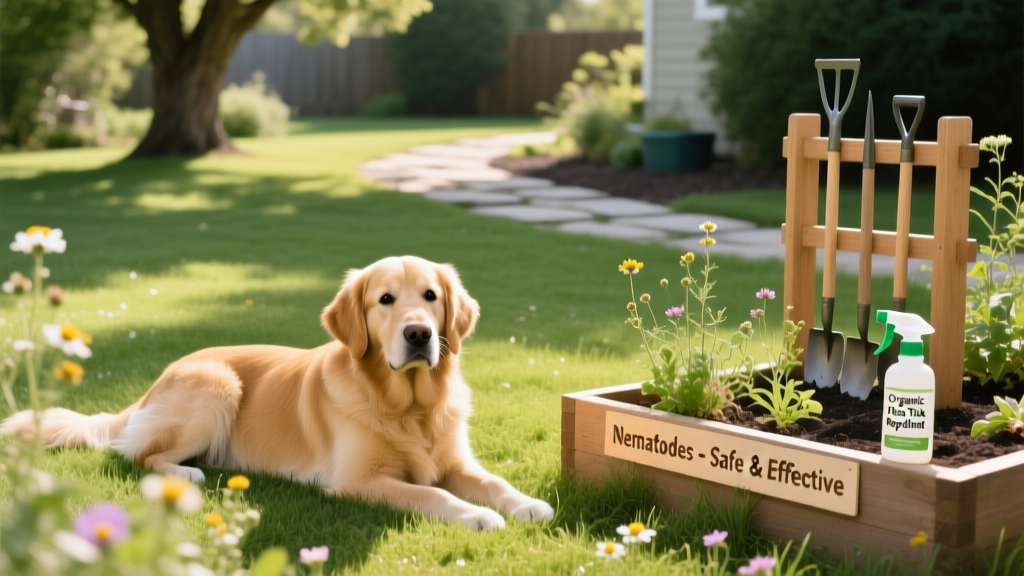
Safe Flea and Tick Yard Control for Pets and Children
Lisa ThompsonPublished
Creating a Safe Haven: The Shift to Pet-Friendly Pest Control
For families and pet owners, the backyard is more than just a patch of grass; it is an outdoor living room, a playground for children, and a sanctuary for dogs and cats to roam. However, this shared outdoor space is also a prime habitat for two of the most notorious and dangerous lawn pests: fleas and ticks. These parasites do not just cause itchy bites; they are vectors for severe illnesses such as Lyme disease, Rocky Mountain spotted fever, and flea-borne typhus.
Historically, the go-to solution for yard pests has been the broad application of synthetic chemical pesticides. While effective at killing insects, these traditional treatments pose significant risks to our most vulnerable family members. According to the Environmental Protection Agency (EPA), children and pets are highly susceptible to pesticide exposure because they spend more time on the ground and frequently put their hands and paws in their mouths. Furthermore, common synthetic yard treatments containing permethrin are highly toxic to cats, even after the product has dried. To protect our loved ones without surrendering our yards to pests, we must adopt an Integrated Pest Management (IPM) approach that prioritizes biological, cultural, and botanical controls.
The Hidden Dangers of Synthetic Pesticides
Before exploring safer alternatives, it is crucial to understand why traditional chemical sprays are falling out of favor for family-centric homes. Synthetic pyrethroids, such as bifenthrin and permethrin, are widely used in commercial lawn care. While they provide a quick knockdown of adult fleas and ticks, they come with heavy drawbacks:
- High Feline Toxicity: Permethrin is notoriously lethal to cats. If a cat walks across a recently treated lawn and grooms its paws, it can suffer from severe neurological tremors or death.
- Environmental Runoff: These chemicals do not discriminate. They wipe out beneficial pollinators like bees and butterflies, and heavy rains can wash them into local waterways, harming aquatic ecosystems.
- Pest Resistance: Over time, flea and tick populations develop genetic resistance to synthetic chemicals, requiring homeowners to apply increasingly toxic doses to achieve the same results.
By shifting away from these harsh chemicals, you can maintain a thriving lawn ecosystem that naturally suppresses pest populations while keeping your children and four-legged friends completely safe.
Step 1: Cultural Controls and Yard Maintenance
The foundation of any pet-safe pest control strategy is making your yard inhospitable to pests. Fleas and ticks do not thrive in open, sunny, well-maintained lawns; they require specific microclimates to survive.
Optimizing Mowing and Sunlight
Ticks require high humidity to prevent desiccation (drying out). They typically wait for hosts in tall grasses, brush, and leaf litter. By keeping your lawn mowed to a height of 2.5 to 3 inches, you allow sunlight to penetrate the turf canopy, drying out the soil surface and creating a hostile environment for ticks. The Centers for Disease Control and Prevention (CDC) strongly recommends clearing tall grasses and brush around homes and at the edge of lawns to reduce tick habitats.
Creating a Dry Border Barrier
Ticks rarely cross dry, hot surfaces. You can create a natural barrier between your lawn and wooded areas by laying down a 3-foot-wide border of dry wood chips or gravel. This dry zone acts as a physical and environmental moat, preventing ticks from migrating from the woods into your family's play areas.
Eliminating Moisture and Debris
Flea larvae thrive in shady, moist areas rich in organic matter. Regularly rake up leaf litter, remove old piles of wood, and clear out stagnant water. Trim back overhanging tree branches to allow more sunlight to reach shaded portions of your yard, naturally reducing the humidity that flea larvae need to mature into adults.
Step 2: Biological Warfare with Beneficial Nematodes
When cultural controls are not enough to break the breeding cycle, biological controls offer a powerful, 100% pet-safe alternative. Beneficial nematodes are microscopic, naturally occurring roundworms that hunt down and destroy soil-dwelling pests, including flea pupae, tick nymphs, and grubs.
Choosing the Right Strain
Not all nematodes target the same pests. For comprehensive yard defense, look for products containing Steinernema carpocapsae (highly effective against fleas) and Heterorhabditis bacteriophora (excellent for ticks and grubs). These organisms are completely harmless to mammals, birds, and earthworms; they specifically target the larval and pupal stages of insects.
Application and Timing
Because nematodes are living organisms, they require specific conditions to survive and thrive:
- Timing: Apply in the early morning or late evening to avoid UV light, which can kill them. Soil temperatures should be consistently above 55°F (13°C).
- Preparation: Water your lawn lightly before application to ensure the soil is moist, which helps the nematodes swim through the soil profile to find their hosts.
- Mixing: Mix the nematode sponge or powder with water according to the package instructions (usually 1 million nematodes per 2,000 to 3,000 square feet) and apply using a hose-end sprayer.
- Aftercare: Keep the treated area lightly moist for the next 7 to 10 days. If the soil dries out completely, the nematodes will die before they can infect the pest larvae.
Cost-wise, a high-quality nematode treatment covering 5,000 square feet typically ranges from $35 to $50, making it a highly cost-effective and eco-friendly seasonal investment.
Step 3: Botanical Sprays and Desiccants
For immediate knockdown of adult fleas and ticks in localized areas, botanical oils and natural desiccants provide excellent, non-toxic results.
Cedar Oil Sprays
Cedar oil is a potent, natural insect repellent and contact killer. It works by disrupting the insect's pheromone receptors, blocking their breathing pores, and dissolving their exoskeletons. Products like Cedarcide or Wondercide use concentrated cedarwood and peppermint oils. These sprays are entirely safe for pets and children to walk on immediately after the liquid dries, and they leave your yard smelling like a fresh forest rather than a chemical factory.
Food-Grade Diatomaceous Earth (DE)
Diatomaceous Earth is a fine powder made from the fossilized remains of aquatic organisms called diatoms. Under a microscope, DE looks like shards of glass. When fleas and ticks crawl across it, the powder cuts their waxy outer coating, causing them to dehydrate and die. Crucial Safety Note: You must only use Food-Grade DE, never pool-grade DE (which is chemically treated and toxic). While food-grade DE is non-toxic if ingested by dogs or kids, it is a fine dust. Always wear an N95 mask during application to avoid inhaling the dust, and never apply it on windy days. Once it settles into the grass and soil, it poses no respiratory risk.
Comparison Chart: Pet-Safe vs. Traditional Chemical Treatments
To help you make an informed decision for your family's outdoor space, here is a detailed comparison of common yard treatments.
| Treatment Type | Active Ingredient | Pet/Child Safety Post-Application | Environmental Impact | Est. Cost (per 5,000 sq ft) |
|---|---|---|---|---|
| Beneficial Nematodes | S. carpocapsae / H. bacteriophora | 100% Safe (Immediate) | Highly Beneficial (Supports soil ecology) | $35 - $50 |
| Botanical Sprays | Cedarwood & Peppermint Oils | Safe once dry (Usually 1-2 hours) | Low Impact (Biodegradable) | $40 - $60 |
| Desiccant Dusts | Food-Grade Diatomaceous Earth | Safe once settled (Avoid inhalation) | Low Impact (Can harm bees if applied to flowers) | $15 - $25 |
| Synthetic Sprays | Bifenthrin / Permethrin | Hazardous to cats; keep off until fully dry | High Impact (Toxic to aquatic life and pollinators) | $20 - $35 |
Step 4: Wildlife Management and Host Control
Fleas and ticks do not spontaneously generate in your grass; they are brought in by wildlife hosts. Deer, rodents, stray cats, and opossums are primary vectors for ticks and fleas. According to the University of Rhode Island's TickEncounter Resource Center, modifying your landscape to deter these hosts is a critical component of long-term pest management.
- Secure Trash and Compost: Keep garbage cans tightly sealed and avoid leaving pet food outside overnight, which attracts rodents and opossums.
- Rethink Bird Feeders: Spilled birdseed attracts mice and squirrels, which are primary carriers of the black-legged tick (the vector for Lyme disease). Move bird feeders away from children's play areas and dog runs, or use seed-catching trays.
- Fencing: If deer are prevalent in your area, consider installing an 8-foot fence or planting deer-resistant shrubs around the perimeter of your property to keep them from dropping ticks into your yard.
Conclusion: A Holistic Approach to Yard Safety
Achieving a flea- and tick-free yard does not require dousing your lawn in hazardous chemicals. By combining diligent yard maintenance, the biological power of beneficial nematodes, and targeted botanical sprays, you can create a robust defense system against these dangerous pests. This Integrated Pest Management approach not only protects your children and pets from toxic exposure but also preserves the local ecosystem, ensuring your backyard remains a safe, vibrant, and joyful space for the entire family for years to come.