Pest Control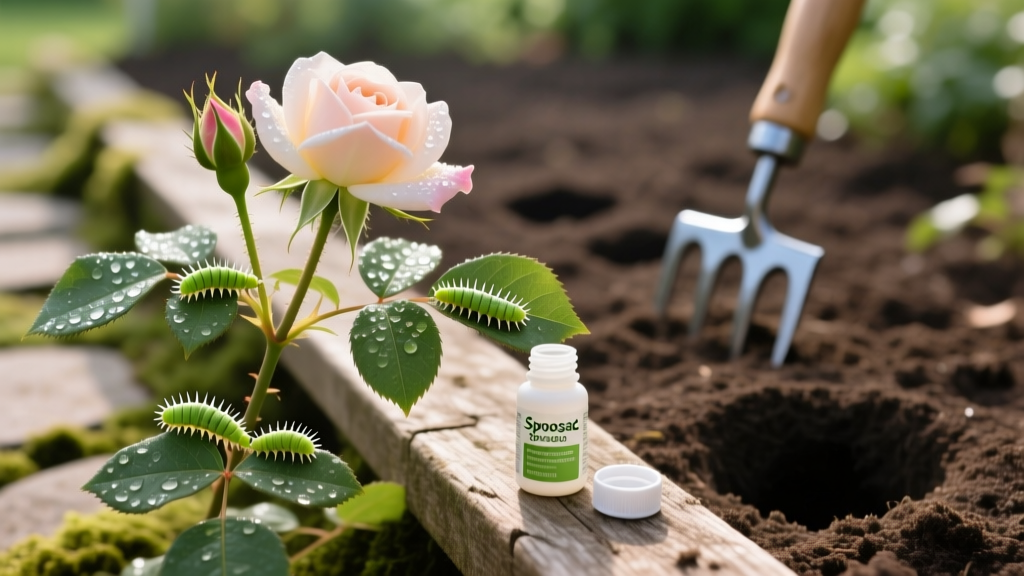
2026 Rose Sawfly Control: Spinosad & Core Aeration IPM
Anna KowalskiPublished
The 2026 Threat: Rose Sawfly Larvae
As we move through the 2026 growing season, home gardeners and professional rosarians alike are facing severe outbreaks of rose sawfly larvae, commonly referred to as "rose slugs." Despite their common name, these pests are not slugs at all, nor are they caterpillars. They are the immature stage of primitive wasps belonging to the family Argidae. Left unchecked, a heavy infestation can completely defoliate a prized rose bush in a matter of days, severely weakening the plant and making it susceptible to secondary fungal diseases like black spot and powdery mildew.
According to the University of Minnesota Extension, there are three primary species of sawflies that target roses in North America: the bristly roseslug, the curled rose sawfly, and the European rose slug. While foliar treatments remain the frontline defense, modern Integrated Pest Management (IPM) in 2026 demands a holistic approach. This guide will detail the precise identification of these larvae, the targeted application of the organic bacterium-derived insecticide Spinosad, and the often-overlooked cultural practice of core aeration to disrupt their life cycle and restore soil vitality.
Accurate Identification: Sawflies vs. Caterpillars
Before reaching for any treatment, accurate identification is critical. Misidentifying sawfly larvae as caterpillars can lead to the use of ineffective treatments, such as Bacillus thuringiensis (Bt), which only works on true caterpillars (Lepidoptera) and is completely useless against sawflies (Hymenoptera).
- Physical Appearance: Sawfly larvae typically have a slimy, translucent green or yellow-green appearance. The bristly roseslug is covered in fine, hair-like bristles, while the curled rose sawfly tends to hold its body in a distinct coiled posture.
- Proleg Count: True caterpillars have five or fewer pairs of fleshy prolegs on their abdomen, equipped with tiny hooks called crochets. Sawfly larvae possess six or more pairs of prolegs and lack crochets entirely.
- Feeding Damage: Early instar larvae feed gregariously on the underside of leaves, eating the soft tissue and leaving the transparent epidermis intact. This creates a distinct "windowpaning" or skeletonizing effect. As they mature, they consume the entire leaf, leaving only the major veins behind.
The University of California Statewide IPM Program emphasizes that monitoring the undersides of leaves in mid-to-late spring is the most effective way to catch an infestation before severe defoliation occurs.
Spinosad: The 2026 Organic Treatment Standard
When cultural controls and manual removal are insufficient, Spinosad remains the gold standard for organic and low-toxicity pest control in 2026. Derived from the soil-dwelling actinomycete bacterium Saccharopolyspora spinosa, Spinosad targets the insect's nervous system, causing paralysis and death within 1 to 2 days of ingestion or contact.
According to the National Pesticide Information Center (NPIC), Spinosad is highly effective against sawfly larvae while maintaining a favorable safety profile for humans, pets, and most beneficial insects once it has dried. However, it is highly toxic to bees while wet. To protect local pollinator populations, 2026 IPM protocols strictly dictate that Spinosad must be applied in the late evening or at dusk, after bees have returned to their hives and the foliage is less likely to experience rapid evaporation.
Application Protocol: Mix the liquid concentrate according to the manufacturer's 2026 label instructions—typically 2 fluid ounces per gallon of water. Use a pressurized pump sprayer to ensure thorough coverage of the undersides of all rose leaves, where the larvae primarily feed. Repeat applications every 7 to 10 days until the life cycle is broken, usually requiring two to three treatments per generation.
The Missing IPM Link: Core Aeration for Rose Beds
While Spinosad effectively manages the active foliar feeding stage, the most vulnerable and overlooked phase of the sawfly life cycle occurs underground. After completing their larval feeding, rose slugs drop to the soil surface and burrow into the top 1 to 2 inches of earth to spin cocoons and pupate. They overwinter in this stage, emerging as adult wasps the following spring.
This is where the horticultural practice of core aeration becomes your most powerful cultural IPM tool. Rose beds are notoriously prone to soil compaction due to foot traffic, heavy mulching, and the natural settling of clay-heavy soils. Compacted soil not only stresses the rose—making it more attractive to pests via stress-induced volatile organic compound (VOC) emissions—but it also provides a perfectly protected, undisturbed environment for sawfly pupae.
How Core Aeration Disrupts the Sawfly Life Cycle
By performing targeted, shallow core aeration around the drip line of your roses in late summer and early fall, you physically disrupt the pupation chambers. Pulling small soil cores exposes the pupae to UV light, desiccation, and predatory ground beetles. Furthermore, core aeration dramatically improves soil oxygenation and water infiltration, stimulating the rose's root system to push vigorous new growth to replace defoliated canes. A robust, well-aerated root zone also supports a thriving microbiome, including beneficial entomopathogenic nematodes that naturally prey on soil-dwelling insect pupae.
Safe Aeration Techniques for Shallow Rose Roots
Unlike lawn aeration, which utilizes heavy gas-powered machines that penetrate 3 to 4 inches deep, rose beds require a delicate touch. Roses possess a shallow, fibrous feeder root system that is easily damaged by aggressive tilling or deep coring.
- Tool Selection: Use a manual, step-on hollow-tine core aerator or a specialized hand-held shrub aerator. Avoid broadforks or rototillers, which will sever vital structural roots.
- Target Zone: Begin aerating 6 inches away from the main root crown (the graft union) and work outward to the drip line (the outermost edge of the leaf canopy).
- Depth Control: Limit core extraction to a maximum depth of 2 inches. This is deep enough to relieve surface crusting and disrupt pupae, but shallow enough to preserve the primary feeder roots.
- Top-Dressing: After pulling the cores, leave them on the surface to dry and break down, or top-dress the aerated holes with a 50/50 mix of fine compost and expanded shale. This introduces beneficial microbes and improves long-term drainage.
2026 Spinosad Product Comparison Chart
Selecting the right formulation is crucial for efficacy and ease of use. Below is a comparison of the top Spinosad products available to home gardeners in 2026, with pricing reflecting current market averages.
| Brand & Product Name | Active Ingredient Concentration | 2026 Avg. Price (16 oz) | Best Use Case |
|---|---|---|---|
| Monterey Garden Insect Spray | 0.5% Spinosad | $24.99 | Standard foliar spray for active larvae; excellent value for large rose gardens. |
| Captain Jack's Deadbug Brew | 0.5% Spinosad | $22.50 | OMRI listed organic option; ideal for gardeners prioritizing certified organic inputs. |
| Bonide Captain Jack's Ready-to-Use | 0.025% Spinosad | $14.99 | Spot treatments for small patios or single container roses; no mixing required. |
| Fertilome Borer & Bagworm Killer | 0.5% Spinosad | $26.00 | Multi-purpose formulation if treating adjacent trees and shrubs alongside rose beds. |
Your 2026 Integrated Action Plan
To achieve total control over rose sawflies this season, combine chemical and cultural interventions into a unified timeline:
- May - June (First Generation): Monitor leaf undersides weekly. At the first sign of windowpaning, apply a Spinosad foliar spray at dusk. Repeat in 7 days if necessary.
- July (Recovery Phase): Ensure consistent deep watering to help the rose recover from early-season defoliation. Avoid high-nitrogen synthetic fertilizers, which promote soft, pest-attractive growth.
- September - October (Pupation Disruption): Perform shallow manual core aeration around the drip line of all rose bushes. Top-dress with compost to expose and destroy overwintering pupae while revitalizing the soil structure for the following spring.
By integrating the targeted neurotoxic action of Spinosad with the soil-revitalizing, pupae-disrupting benefits of core aeration, you create an environment where roses thrive and sawflies cannot complete their life cycle. This dual-pronged IPM strategy represents the cutting edge of sustainable rose care in 2026, ensuring your garden remains vibrant, healthy, and beautifully in bloom.