Lawn Care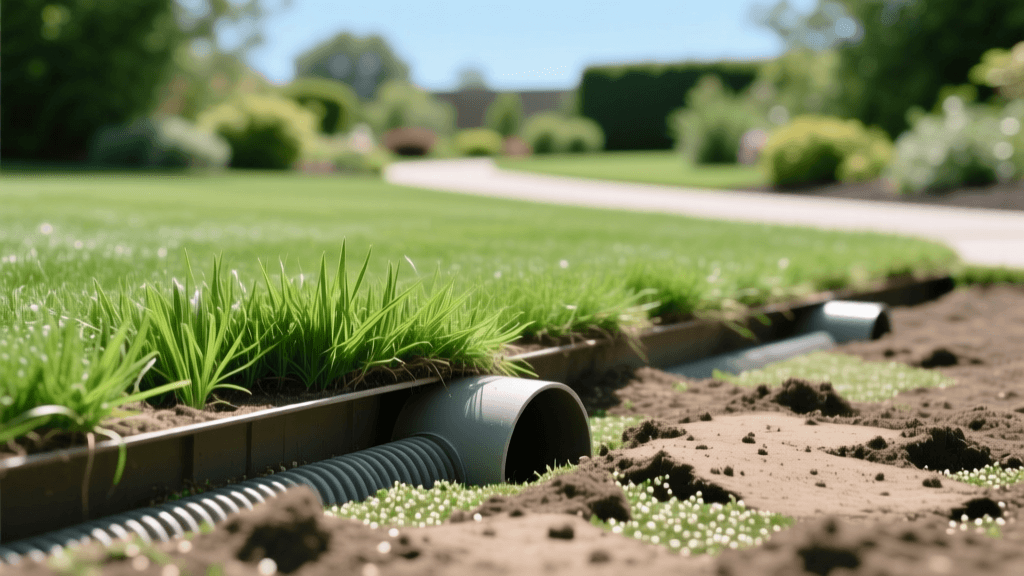
Scalped Lawn Recovery 2026: Reseeding & Drainage Pipe Fixes
The Hidden Cause of Scalped Lawns: Poor Drainage and Uneven Grading
A scalped lawn—characterized by unsightly brown patches where the mower has stripped the grass down to the soil or stem—is one of the most frustrating issues a homeowner can face in 2026. While many assume a dull mower blade is the sole culprit, turfgrass scientists increasingly point to a more insidious underlying issue: uneven terrain caused by poor subsurface water management. When water pools, erodes topsoil, or causes soil heaving, it creates micro-elevations in your yard. As your mower traverses these hidden mounds, it scalps the high points, leaving the turf vulnerable to disease, weed invasion, and drought stress.
True scalped lawn recovery requires more than just throwing down a bag of seed. It demands a comprehensive approach that addresses the root hydrological causes. In this guide, we will explore the ultimate 2026 scalped lawn recovery method, integrating landscape drainage pipe installation with precision topdressing and advanced reseeding techniques to ensure a level, lush, and resilient lawn.
Step 1: Trenching and Installing Landscape Drainage Pipes
Before you can successfully reseed and topdress, you must understand why your lawn became uneven in the first place. According to Clemson University's yard drainage factsheet, improper surface grading and compacted subsurface soils lead to severe waterlogging and localized erosion. Over time, freeze-thaw cycles and heavy spring rains wash away the loamy topsoil in low areas while compacting the clay-heavy subsoil in others. This creates a rolling, uneven surface. When you mow a lawn with a 1-inch variance in soil height, a mower deck set to 3 inches will inevitably scalp the mounds down to 2 inches or less, severely damaging the grass crown.
Planning the Trench Route
To permanently halt the soil erosion and settling that causes scalping, you must intercept subsurface water. Identify the low spots where water pools after a heavy rain. Your drainage pipe must route this water away from the lawn toward a storm drain, dry well, or designated runoff area. The golden rule of drainage is maintaining a minimum 1% slope, which equates to a 1-inch drop for every 8 feet of pipe length.
Excavation and Pipe Laying
Dig a trench 18 to 24 inches deep and 12 inches wide along your planned route. Line the trench with a non-woven geotextile filter fabric to prevent fine soil particles from clogging the pipe over time. Add a 2-inch base layer of washed drainage gravel. Lay the 4-inch corrugated perforated landscape drainage pipe with the holes facing downward—a modern 2026 best practice that allows water to enter from the bottom up, reducing sediment infiltration. Cover the pipe with more gravel, leaving 3 inches of clearance from the surface, and fold the excess fabric over the top to create a protective "gravel burrito."
Step 2: The Topdressing Method for Surface Leveling
Once the drainage pipe is secured and the trench is backfilled, it is time to address the surface irregularities that caused the scalping. Topdressing is the process of applying a thin layer of soil amendment over the existing turf to level the ground and improve soil biology. UMass Extension's topdressing protocols emphasize that the right material mix is critical for preventing thatch buildup and ensuring proper water percolation down to your new drainage system.
Mixing the 2026 Topdressing Blend
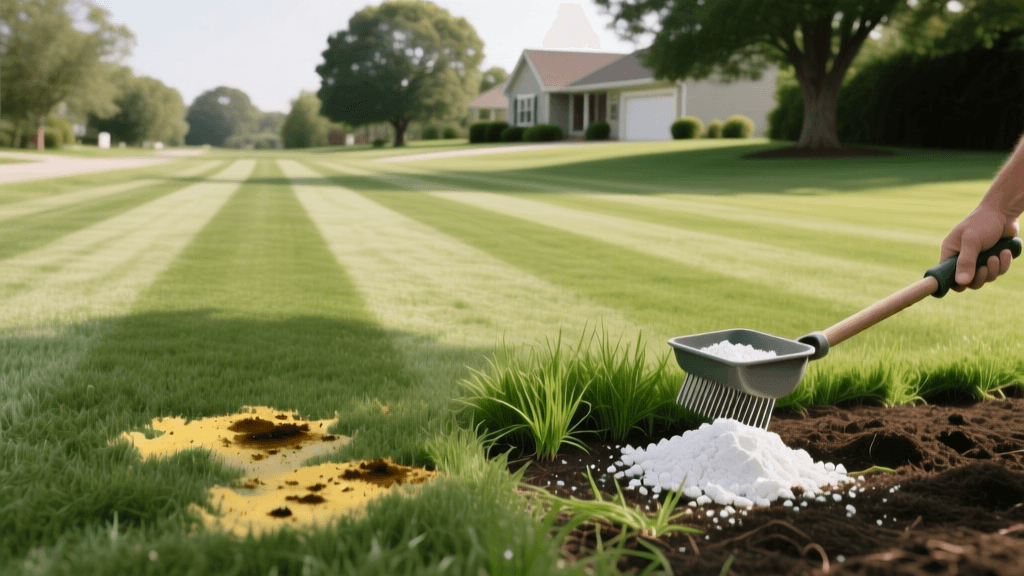
Do not use pure topsoil or heavy clay, as these will smother the existing grass and undo the drainage work you just completed. Instead, mix a blend of 70% washed masonry sand and 30% finely screened, aged compost. The sand provides the structural integrity needed to fill dips and prevent future settling, while the compost introduces vital microbes and organic matter to the scalped areas.
Application and Leveling
Spread the mixture over the scalped and uneven areas using a shovel, aiming for a depth of 1/4 to 1/2 inch. Use a specialized lawn leveling drag mat or a stiff-bristled push broom to work the mixture down into the soil surface and the existing grass canopy. The goal is to fill the divots and cover the exposed soil caused by scalping, without completely burying the living grass blades.
Step 3: Reseeding with Advanced 2026 Turf Varieties
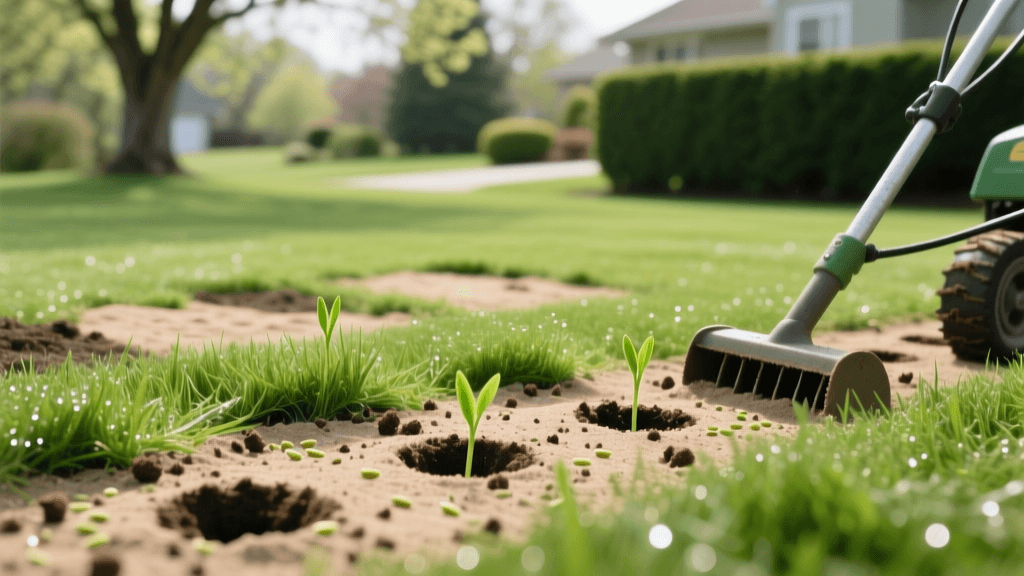
With the drainage stabilized and the surface leveled via topdressing, the lawn is primed for reseeding. According to Penn State Extension's guide on lawn renovation, overseeding immediately after topdressing provides the seed with the perfect moist, protective environment required for rapid germination.
Selecting the Right Seed
For cool-season lawns, opt for a 2026-certified Tall Fescue and Kentucky Bluegrass blend featuring endophyte-enhanced drought resistance and polymer moisture-retaining coatings. For warm-season lawns, consider improved Bermudagrass or Zoysia varieties that exhibit aggressive lateral spreading to quickly knit together the scalped patches. Apply the seed at a rate of 4 to 6 pounds per 1,000 square feet for cool-season grasses, using a broadcast spreader for even distribution.
Cost Breakdown: Drainage, Topdressing, and Reseeding in 2026
Budgeting for a comprehensive lawn recovery project requires an understanding of current material and labor costs. Below is an estimated breakdown for a standard 5,000-square-foot lawn experiencing moderate scalping and drainage issues.
| Material / Service | Estimated 2026 Cost | Purpose |
|---|---|---|
| 4-inch Corrugated Drainage Pipe (100 ft) | $140 - $180 | Subsurface water routing |
| Non-woven Geotextile Fabric | $65 - $90 | Prevents pipe siltation |
| Washed Drainage Gravel (1 ton) | $85 - $120 | French drain bedding |
| Masonry Sand & Screened Compost (2 tons) | $160 - $220 | Surface leveling topdressing |
| Premium Coated Grass Seed (25 lbs) | $130 - $170 | Reseeding scalped patches |
| Professional Labor (Optional) | $1,200 - $2,500 | Trenching, grading, seeding |
Long-Term Maintenance to Prevent Future Scalping
Recovering a scalped lawn is only half the battle; maintaining it requires vigilance. First, ensure your mower deck is perfectly level from side to side, and set the cutting height to a minimum of 3.5 inches for cool-season grasses. Taller grass develops deeper root systems, which naturally access the subsurface moisture managed by your new drainage pipe system.
Furthermore, adopt a core aeration schedule every autumn. Core aeration relieves soil compaction, ensuring that surface water can easily reach your landscape drainage pipes rather than pooling and creating new mud boils. By combining subsurface hydrological engineering with meticulous surface topdressing and premium reseeding, your lawn will remain lush, level, and entirely scalped-free for years to come.
Pro Tip for 2026: Always check your local municipal codes before tying a landscape drainage pipe into a public storm sewer. Many regions now mandate the use of dry wells or rain gardens to manage runoff on-site and protect local watersheds.