Lawn Care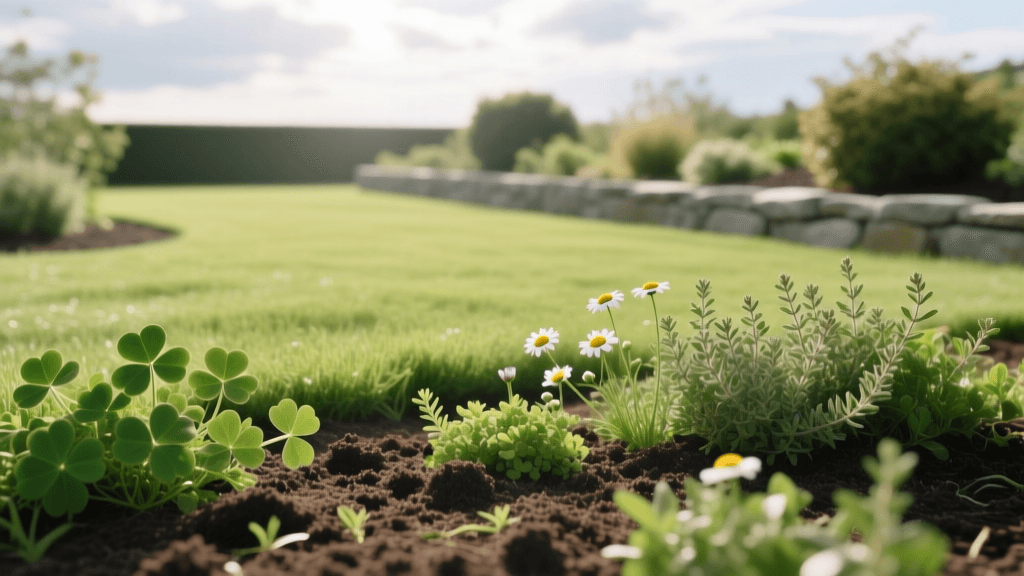
Scalped Lawn Recovery 2026: Edible Reseeding & Topdressing Guide
The 2026 Guide to Scalped Lawn Recovery for Edible Landscapes
Accidentally scalping your lawn is a homeowner's nightmare, but in 2026, it is increasingly viewed as a unique opportunity. Scalping—cutting the grass so short that the soil, thatch, and stems are severely exposed—destroys traditional turfgrass crowns and leaves the soil vulnerable to compaction and weed invasion. However, for those interested in edible landscaping and foodscaping, a scalped lawn provides a blank canvas. By utilizing the scalped lawn recovery reseeding and topdressing method, you can transition from a high-maintenance, non-edible monoculture to a resilient, productive edible groundcover.
Instead of panicking and dumping synthetic fertilizers on damaged Kentucky Bluegrass or Bermudagrass, modern foodscaping enthusiasts are using the recovery process to introduce low-growing, edible perennials. This guide will walk you through the exact topdressing and reseeding method to transform your damaged yard into a thriving edible landscape this season.
Why Pivot to an Edible Foodscape After Scalping?
When a lawn is scalped, the root system of traditional turf is severely stressed. Re-establishing standard grass requires heavy irrigation and chemical interventions. Edible groundcovers, such as Dutch White Clover, Creeping Thyme, and Alpine Strawberries, are naturally adapted to lower mowing heights and poorer soil conditions. By integrating these plants during the recovery phase, you create a lawn that feeds you, supports local pollinators, and requires a fraction of the water and mowing frequency of traditional turf.
According to recent landscaping trends tracked by horticultural extensions, foodscaping is no longer limited to raised beds. Homeowners are actively replacing damaged turf with functional, edible carpets that serve as both landscaping and a food source. The Penn State Extension notes that integrating clover into damaged lawns not only recovers the visual aesthetic but naturally fixes nitrogen in the soil, eliminating the need for synthetic fertilizers.
Step 1: Soil Assessment and Debris Removal
Before applying any topdressing or seed, you must address the exposed soil left behind by the scalping incident. Scalping often exposes compacted subsoil and thatch.
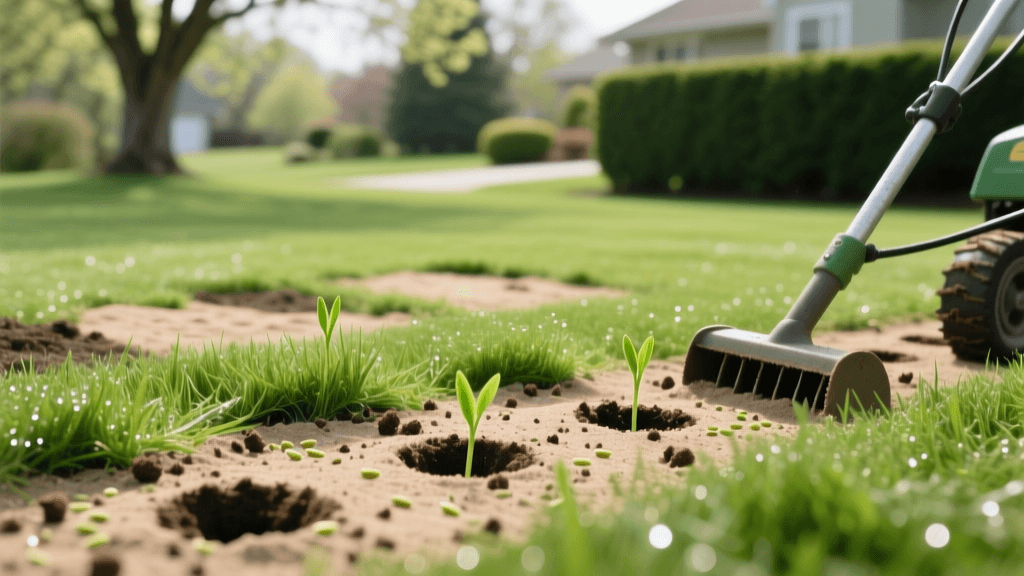
- Debris Removal: Use a flexible leaf rake to gently remove loose, dead grass clippings and thatch. Do not use a heavy metal thatch rake, as the remaining living crowns (if any) are too fragile to survive aggressive dethatching.
- Core Aeration: If the soil is heavily compacted from the mower's wheels, rent a core aerator. Pulling 3-inch plugs will allow your upcoming topdressing mix to penetrate the soil profile.
- Soil Testing: Edible plants have different nutritional requirements than standard turf. Send a soil sample to your local university extension to check for heavy metals and pH levels. In 2026, advanced at-home digital soil testing kits like the Luster Leaf Rapitest Digital Soil Meter can provide immediate pH and NPK readings, but lab testing remains the gold standard for edibles.
Step 2: Formulating the Edible Topdressing Mix
Topdressing is the cornerstone of the scalped lawn recovery method. It protects exposed roots, levels uneven terrain, and introduces organic matter. For an edible landscape, your topdressing mix must be food-safe, nutrient-dense, and well-draining. The EPA's guidelines on composting emphasize using fully cured, organic compost to avoid introducing pathogens to food-producing plants.
The 2026 Foodscaping Topdressing Recipe:
- 60% Screened Organic Compost: Provides slow-release nutrients and beneficial microbes. Ensure it is certified organic if you plan to harvest the groundcover.
- 20% Coarse Horticultural Sand: Improves drainage and prevents the compost from matting over the delicate new seeds.
- 10% Biochar: A highly porous carbon material that retains moisture and houses soil bacteria, crucial for the shallow root systems of edible groundcovers.
- 10% Worm Castings: A gentle, immediate source of nitrogen and calcium to kickstart seedling growth.
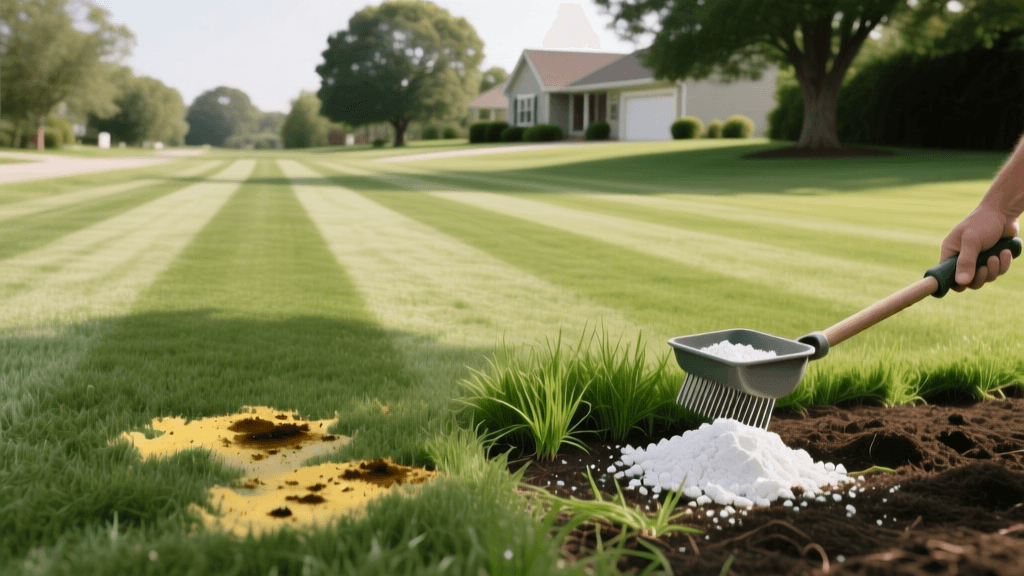
Application Rate: Apply this mix evenly across the scalped lawn at a depth of 1/4 to 1/2 inch. Use a push broom or a leveling rake to work the mix down into the soil and around any surviving grass crowns. Do not bury the existing lawn completely; the goal is to amend the top layer while preparing a seedbed for the edibles.
Step 3: The Reseeding Method for Edible Groundcovers
Once the topdressing is leveled and lightly watered to settle, it is time to reseed. When foodscaping a lawn, you are not just planting one species; you are creating a polyculture. A mix of nitrogen-fixers, aromatic herbs, and low-growing fruiting plants creates a resilient ecosystem.
According to the University of Minnesota Extension, proper seed-to-soil contact is the most critical factor in successful reseeding. After broadcasting your edible seed mix, lightly drag a piece of chain-link fence or a lawn roller over the area to press the seeds into the topdressing.
Edible Groundcover Seed Comparison Chart
| Plant Species | Seeding Rate (per 1,000 sq ft) | Germination Time | Edible Yield / Use | Mowing Tolerance |
|---|---|---|---|---|
| Dutch White Clover | 2 oz | 7-14 days | Edible flowers, tea, nitrogen fixation | High (2-3 inches) |
| Creeping Thyme | 1 oz (pelleted) | 14-28 days | Culinary herb, aromatic foliage | Moderate (3-4 inches) |
| Alpine Strawberry | 0.5 oz | 14-21 days | Sweet, small berries | Low (Avoid mowing during fruiting) |
| Roman Chamomile | 1 oz | 10-14 days | Calming tea, apple-scented foliage | High (2-3 inches) |
Step 4: Smart Irrigation for Germination in 2026
Edible seeds, particularly clover and thyme, are incredibly small and must remain consistently moist during the first three weeks of germination. If the topdressing layer dries out, the seeds will perish. In 2026, relying on manual watering is inefficient and wasteful.
Upgrade your irrigation strategy by utilizing a smart controller like the Rachio 4 or the B-hyve XR. These devices use hyper-local weather data and soil moisture sensors to apply micro-doses of water multiple times a day without causing runoff.
- Weeks 1-3 (Germination): Program your smart controller for 3 to 4 short watering cycles per day (e.g., 4 minutes each) to keep the top 1/2 inch of the topdressing damp.
- Weeks 4-6 (Establishment): Reduce frequency to once daily, but increase the duration to encourage deeper root growth into the underlying soil.
- Week 7 and Beyond: Transition to a deep, infrequent watering schedule (1-2 times per week) to build drought resilience in your edible lawn.
Step 5: Cost Analysis for the Edible Recovery Method
Transitioning a scalped lawn to an edible foodscape is an investment in your property's ecology and your family's pantry. Here is a breakdown of the estimated costs for a standard 2,000 square foot scalped lawn recovery in 2026:
- Organic Topdressing Materials (Compost, Sand, Biochar): $120 - $180 (Bulk delivery or bagged)
- Edible Polyculture Seed Mix: $60 - $90 (High-quality, untreated seed)
- Soil Testing (Lab + Digital Kit): $50 - $75
- Core Aerator Rental (4 hours): $80 - $100
- Total Estimated Cost: $310 - $445
While the initial seed cost is higher than standard turfgrass, the long-term savings on synthetic fertilizers, herbicides, and excessive water usage make the edible recovery method highly cost-effective over a 3-to-5-year period.
Long-Term Maintenance and Harvesting
Maintaining an edible lawn requires a shift in mindset. You are no longer just mowing; you are harvesting and pruning. Set your mower deck to a minimum height of 3 inches. When mowing Creeping Thyme or Roman Chamomile, the friction of the mower blades releases incredible aromatics across your yard, naturally deterring pests like mosquitoes and deer.
For Alpine Strawberries, you may need to designate specific 'no-mow' zones or pathways where the plants can flower and fruit without being disturbed by mower wheels. Use a string trimmer for the edges to maintain a crisp, intentional landscape border, which is crucial for keeping a foodscape looking like a designed garden rather than an overgrown weed patch.
By embracing the scalped lawn recovery reseeding and topdressing method, you turn a landscaping disaster into a sustainable, edible triumph. Your yard will not only recover from the damage but will evolve into a vibrant, productive ecosystem that aligns perfectly with the modern foodscaping movement.