Lawn Care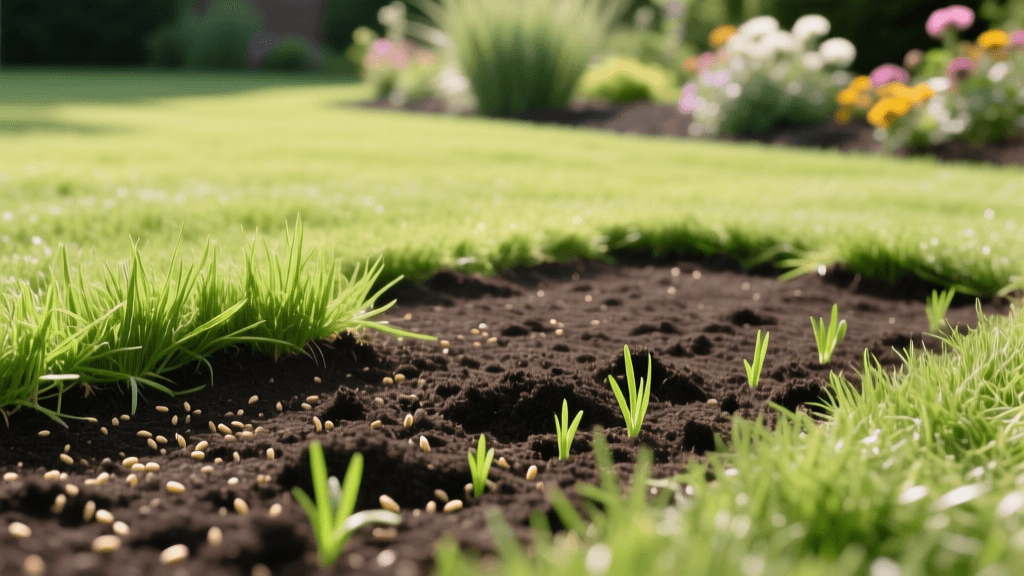
Scalped Lawn Recovery 2026: Reseeding & Topdressing Guide
The Scalped Lawn Dilemma: A Raised-Bed Gardener’s Perspective
As dedicated raised bed vegetable gardeners, we obsess over the perfect soil blend. We meticulously balance carbon-to-nitrogen ratios, incorporate worm castings, and monitor the moisture retention of our cedar and corrugated metal beds. Yet, when we step out of the garden and onto the lawn, we often abandon these intensive horticultural principles. Nowhere is this disconnect more apparent than when a section of turf is accidentally scalped. Whether a mower deck was set too low over uneven ground, or a string trimmer slipped aggressively against the timber edging of your raised beds, a scalped lawn is a glaring wound in your landscape.
A scalped lawn occurs when the grass is cut so short that the crown and stems are exposed, or entirely removed, leaving bare, compacted soil. In the past, the standard advice was to simply dump synthetic nitrogen on the area and hope for the best. However, in 2026, the most successful turf managers are adopting a "raised bed philosophy" for lawn recovery. By treating the damaged turf with the same soil-building reverence we apply to our tomato and pepper beds, we can utilize a specialized topdressing and reseeding method that restores the lawn's biological health from the ground up.
Why Lawns Get Scalped Around Raised Garden Beds
The perimeter of a raised bed garden is a high-risk zone for turf damage. Gardeners frequently walk the narrow paths between beds, compacting the soil and creating uneven surfaces. When mowing these uneven borders, it is incredibly easy to scalp the high spots. Furthermore, the aggressive use of string trimmers to cut grass right up against the bed walls often strips the turf down to the dirt. According to the University of Minnesota Extension, severe scalping removes the leaf tissue required for photosynthesis, effectively starving the root system and opening the door for aggressive weeds like crabgrass and spurge to invade the bare soil.
To recover a severely scalped lawn, we must look beneath the surface. Just as you would never plant a delicate heirloom tomato seedling into hardpan clay without amending it first, you cannot simply throw grass seed onto compacted, scalped dirt and expect a lush carpet. The 2026 recovery protocol relies on mechanical aeration, biological topdressing, and strategic overseeding.
The 2026 Topdressing and Reseeding Recovery Protocol
Step 0: The Soil Test Baseline
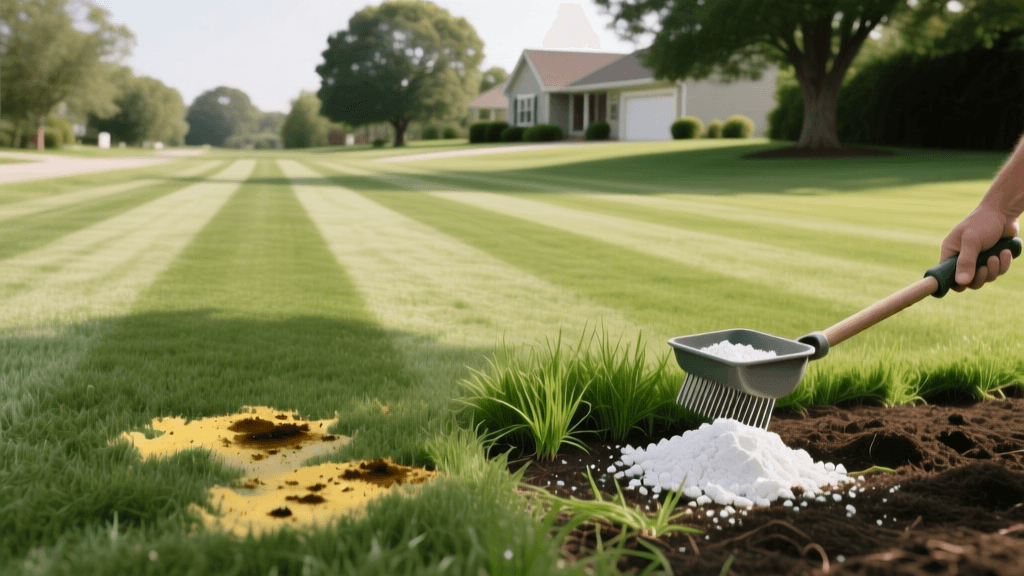
Before you order a yard of compost or a bag of seed, take a soil sample from the scalped perimeter. As raised bed gardeners, we test our garden soil annually, but lawn soil is often ignored. A 2026 soil test will reveal pH imbalances and nutrient deficiencies exacerbated by the lack of organic matter in scalped areas. If your soil pH is below 6.0, the microbial life in your topdressing compost will struggle to thrive. Incorporate pelletized lime based on your test results concurrently with your compost application to ensure the biological engine of your soil is primed for recovery.
Step 1: Assessment and Debris Removal
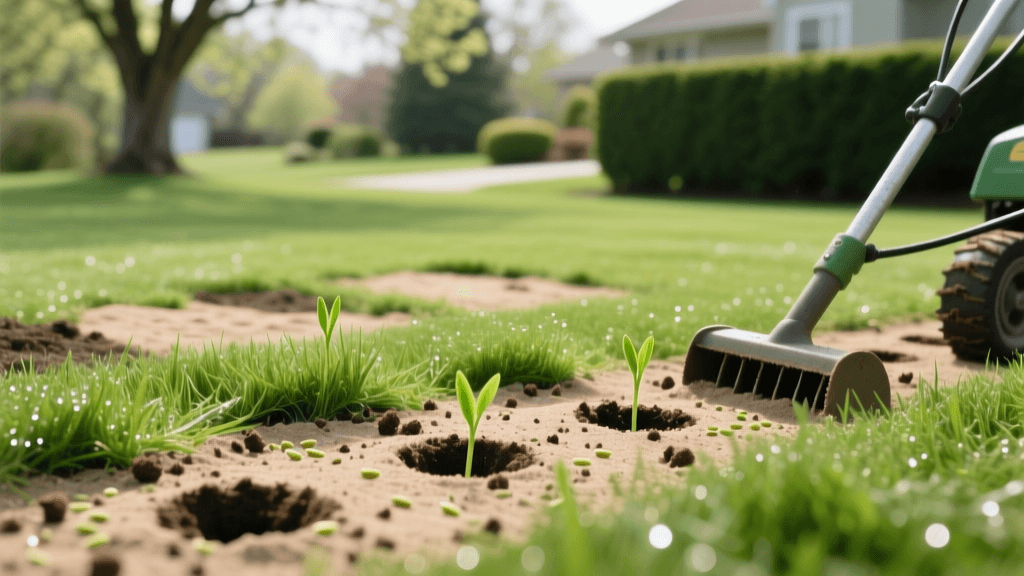
Before introducing new materials, you must prepare the seedbed. Rake the scalped area vigorously with a steel tine rake. This removes dead thatch, loosens the top millimeter of compacted soil, and creates microscopic grooves for seed-to-soil contact. If the soil around your raised beds is heavily compacted from foot traffic and wheelbarrow use, this raking step is non-negotiable.
Step 2: Core Aeration for Compacted Pathways
The paths between raised beds suffer from severe soil compaction. Core aeration pulls small plugs of soil from the ground, allowing oxygen, water, and nutrients to penetrate the root zone. For a scalped lawn, aeration is the bridge between dead dirt and a living soil ecosystem. Rent a walk-behind core aerator or use a manual step aerator for smaller border patches. Leave the soil cores on the lawn; they will break down and act as a natural topdressing during the next rainstorm.
Step 3: Sourcing "Vegetable-Grade" Topdressing Compost
Here is where the raised bed gardener has a distinct advantage. You already know the value of high-quality, screened compost. For lawn topdressing in 2026, avoid cheap, unaged manure or heavy peat mixes that repel water. Instead, source a finely screened, mature leaf-mold or vegetable-based compost. The USDA Natural Resources Conservation Service emphasizes that adding organic matter via compost increases the soil's water-holding capacity and feeds the vital microbial network necessary for nutrient cycling.
Apply a 1/4-inch to 1/2-inch layer of this premium compost evenly over the scalped area. Use a push broom or the back of a landscaping rake to work the compost into the aeration holes and the grooves you created during raking. This compost layer will protect the vulnerable grass crowns, retain moisture for germinating seeds, and provide a slow-release, organic nutrient buffet.
Step 4: Strategic Reseeding with Endophyte-Enhanced Grass
Choose a grass seed that matches the microclimate created by your raised beds. If your beds are tall and feature trellises that cast afternoon shade, opt for a fine fescue blend. If the area is in full, blistering sun, a turf-type tall fescue or a modern Kentucky bluegrass cultivar is ideal. In 2026, look for seeds coated with endophytes and mycorrhizal fungi. These beneficial organisms form symbiotic relationships with the grass roots, dramatically improving drought tolerance and natural pest resistance—vital traits for grass struggling to survive the heat radiating off metal or timber raised bed walls.
Broadcast the seed at the rate recommended on the package, typically 4 to 6 pounds per 1,000 square feet for overseeding. Lightly rake the seed into the compost topdressing so it is no more than 1/8-inch deep.
2026 Topdressing Material Comparison Chart
| Topdressing Material | Moisture Retention | Nutrient Density | Best Use Case for Scalped Lawns |
|---|---|---|---|
| Screened Leaf-Mold Compost | High | Medium (Slow Release) | Ideal overall choice; mimics forest floor biology and improves soil structure. |
| Biochar-Compost Blend | Very High | High (Charged) | Excellent for sandy soils or extremely hot, dry borders near metal beds. |
| Peat Moss | High (when wet) | None | Not recommended; hydrophobic when dry and lacks microbial life. |
| Masonry Sand | Low | None | Only use for leveling deep depressions, not for biological recovery. |
Irrigation and Post-Recovery Maintenance
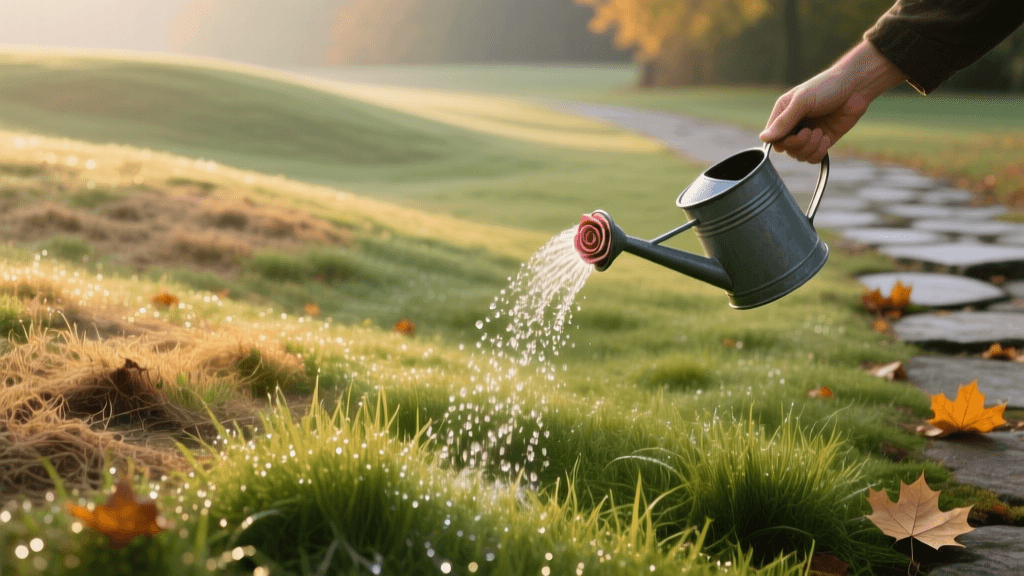
The success of the topdressing and reseeding method hinges entirely on your irrigation schedule. Grass seed must remain consistently moist to germinate. In the erratic weather patterns of 2026, relying on rainfall is a gamble. Set your smart irrigation controller or oscillating sprinkler to water the scalped area lightly two to three times a day for the first 14 days. Modern smart controllers can now adjust micro-sprinkler outputs based on hyper-local weather data, ensuring the compost doesn't dry out during unexpected heat waves. The goal is to keep the top inch of the compost damp, not soggy. Once the new grass seedlings reach a height of two inches, transition to deeper, less frequent watering to encourage roots to dive deep into the aeration holes.
Avoid mowing the recovered area until the new grass reaches at least 3.5 inches in height. When you do mow, adhere strictly to the "one-third rule," never removing more than a third of the grass blade at a single time. By maintaining a higher mowing height (around 3 inches), you will shade the soil, naturally suppress weed seeds, and prevent the devastating scalping that started this recovery process in the first place.
Ultimately, treating your lawn with the same intensive, soil-first mindset that you apply to your raised bed vegetable garden guarantees a resilient, vibrant turf. The topdressing and reseeding method is not just a quick fix; it is a long-term investment in the biological health of your landscape, ensuring that the pathways between your garden beds remain as lush and productive as the vegetables growing within them.